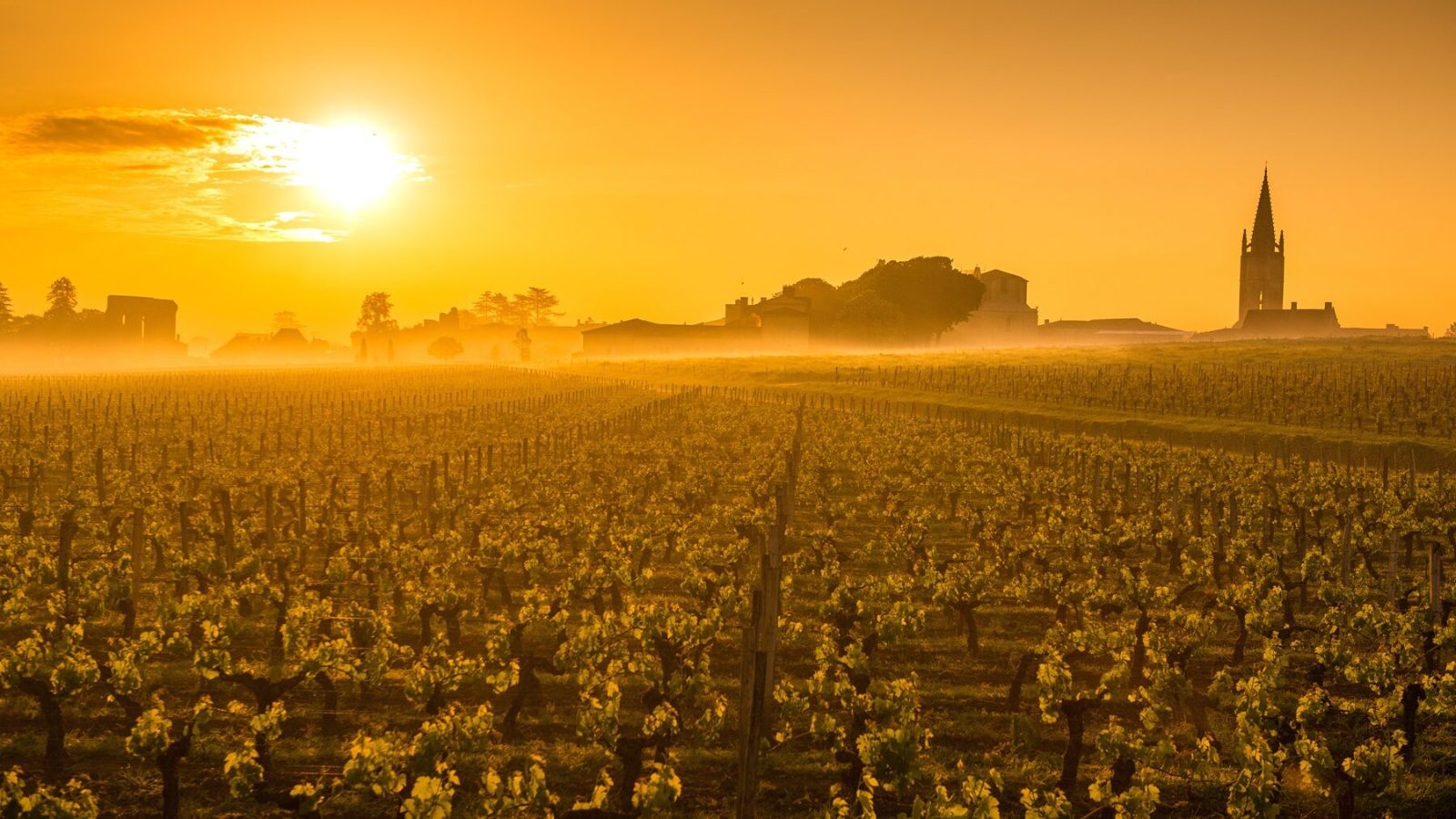
4 hr 30 min
Saint-Émilion Wine Tour with Tasting & Snack from Bordeaux
- Entry ticket
- Mobile voucher
- Valid same day
- Free cancellation
Saint Emilion Wine Tour From Bordeaux — Château Tastings & Village Access
UNESCO vineyards and Grand Cru cellars, thirty minutes from the city
Compare fares, pick the fit — all bookings are mobile-voucher and eligible for free cancellation where shown.
4 hr 30 min
7 hr
1 hr
Selecting the right saint emilion wine tour from bordeaux depends on whether you seek a comprehensive day trip with vineyard tastings or a focused historical walking exploration of the village.
|
Top pick Guided Wine & Village Day Trip Coach/Small Group |
Underground Heritage Tour Walking/History | |
|---|---|---|
| Duration | 5–7 hours | 45–60 minutes |
| Transport included | — | |
| Wine tasting | Included | — |
| Monuments access | ||
| Best for | First-timers | History enthusiasts |
| See tickets & prices |
Verdict: Book the full-day tour if you want a complete saint emilion wine tour from bordeaux experience, or the monument tour if you prioritize ancient catacombs.
Worth it for wine enthusiasts and first-timers
A saint emilion wine tour from bordeaux delivers solid value if you want curated château access without the hassle of self-driving through narrow vineyard roads. Tours range from half-day tastings with snacks to full-day experiences with picnic lunches and Grand Cru pours at family-run estates. You're paying for round-trip transport from Bordeaux, pre-arranged cellar visits at châteaux that rarely accept walk-ins, and guided context on UNESCO World Heritage terroir and medieval village architecture. The village itself—free to explore—offers cobblestone lanes and Romanesque monuments. Saint-Émilion wine tours from Bordeaux work best for travelers prioritizing Right Bank appellations over Médoc, or those who want a structured introduction to Merlot-dominant blends without renting a car. Skip it if you're already familiar with Bordeaux appellations or prefer unguided wandering.
Bottom line: Book a saint emilion wine tour from bordeaux if château access and Right Bank expertise matter more than independent timing.
They complement each other; most visitors who do both find the Saint-Émilion village charm more intimate, while Médoc offers a grander architectural experience. Booking a saint emilion wine tour from bordeaux provides a distinct sensory journey compared to the northern vineyard estates.
|
Top pick Saint-Émilion |
Médoc | |
|---|---|---|
| Wine Style | Merlot dominant | Cabernet Sauvignon dominant |
| Vibe | Rustic and medieval | Prestigious and regal |
| Landscape | Rolling hills and valleys | Flat gravel plains |
| Best for | Wine history enthusiasts | Grand château architecture admirers |
| Typical Travel Time from Bordeaux | 45–60 minutes | 60–90 minutes |
| See tickets & prices |
Verdict: Choose a saint emilion wine tour from bordeaux tickets if you prefer UNESCO heritage settings, or select the Médoc if you want to explore the world-renowned estates of the Left Bank.
Hand-picked experiences loved by thousands of travelers
4.5 hours
Free Cancellation
Journey through UNESCO-listed vineyards with château visit and three wine tastings paired with local treats
4 hours
Free Cancellation
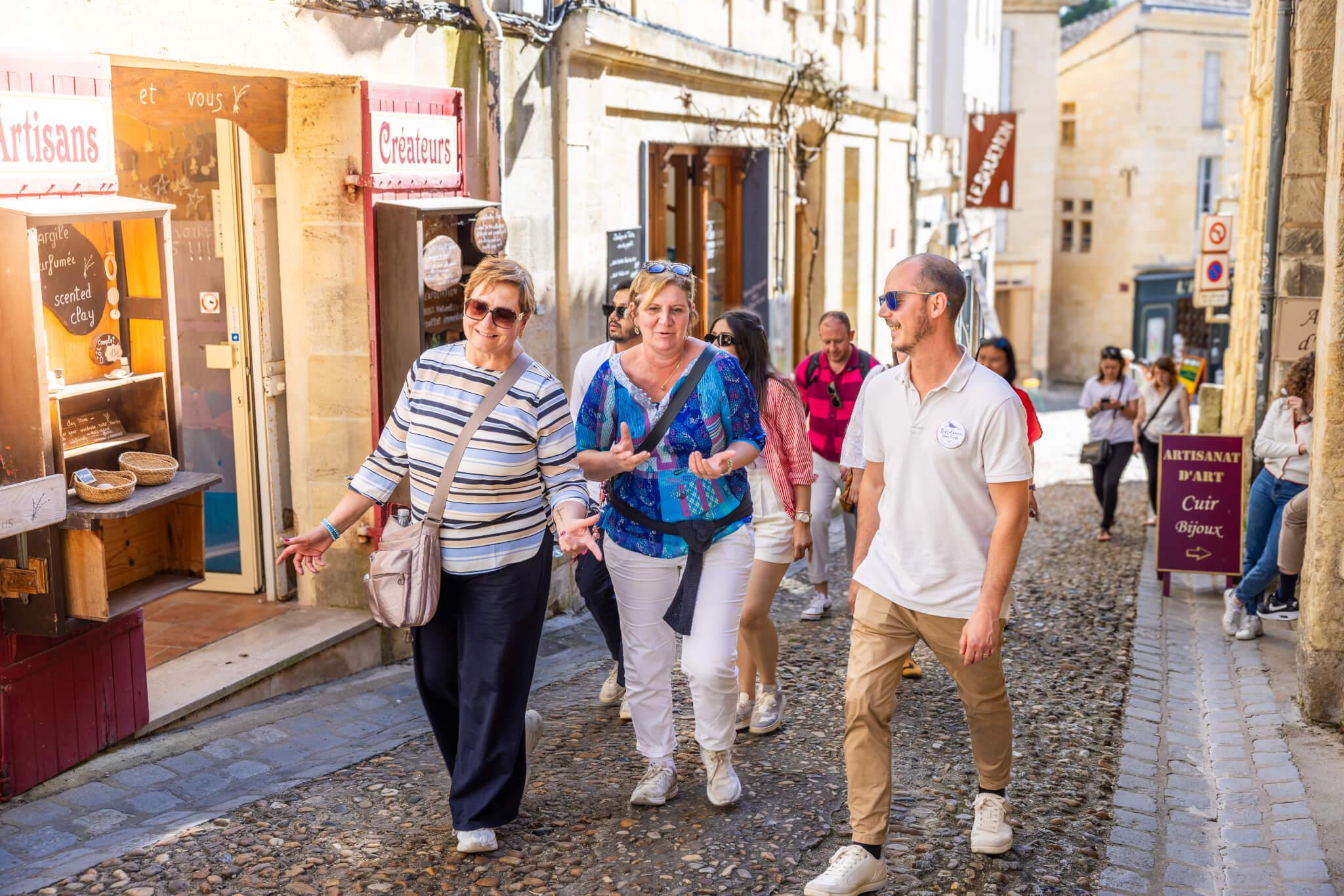
Discover a medieval UNESCO village and taste prestigious wines at a classified growth estate
9 hours
Free Cancellation
Explore two renowned wine regions with expert-led tastings at three châteaux and a gourmet picnic lunch
4.5 hours
Free Cancellation
Journey through prestigious vineyards with expert guides, taste grand cru wines, and explore a medieval UNESCO village
5 to 5.5 hours
Free Cancellation
Explore a UNESCO village and sample exceptional wines at two distinct estates in Bordeaux country
5 to 8.5 hours
Free Cancellation
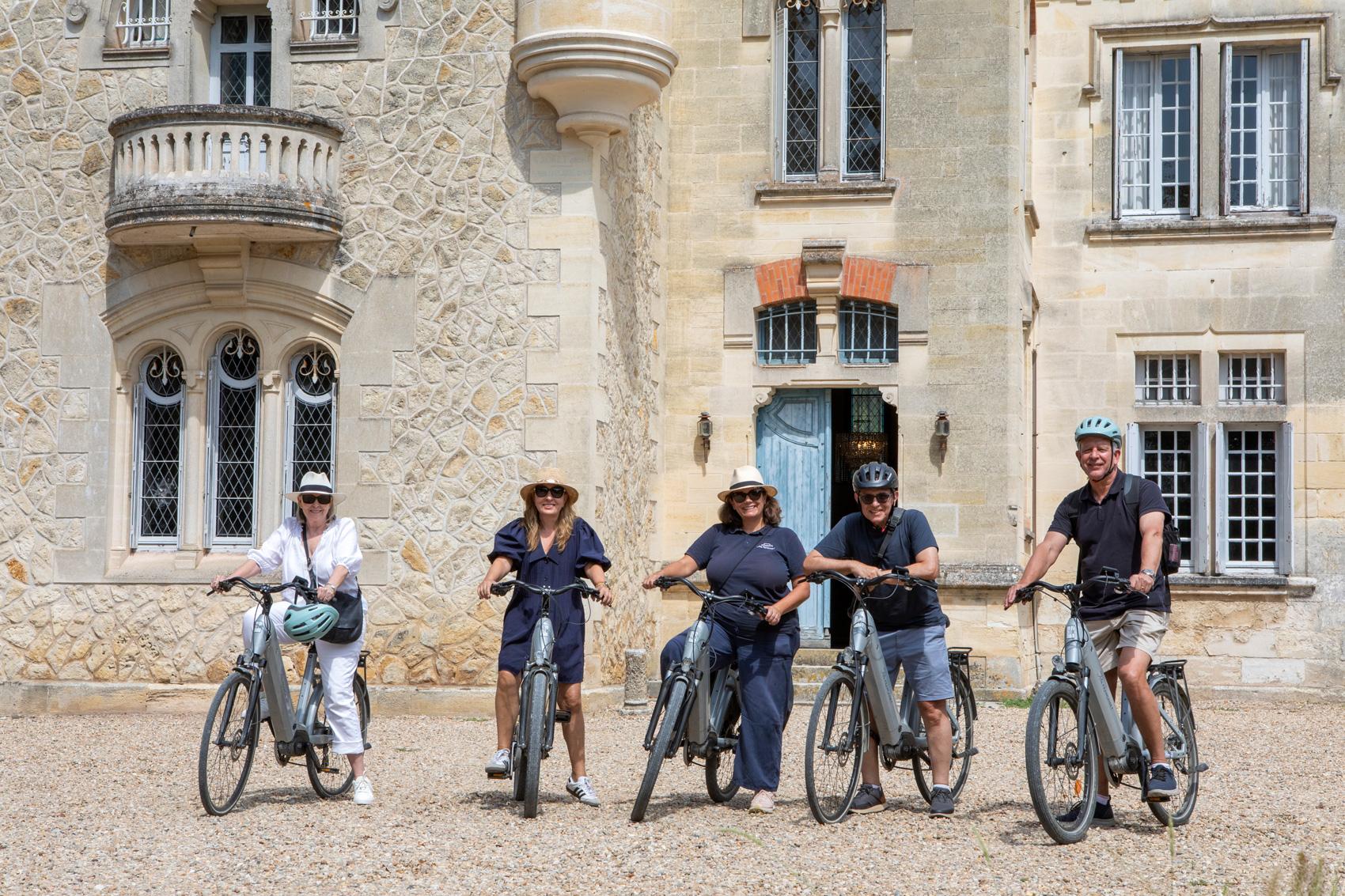
Explore UNESCO-listed vineyards by electric bike, taste renowned wines at classified estates, and enjoy lunch among the vines.
4.5 - 8 hours
Free Cancellation
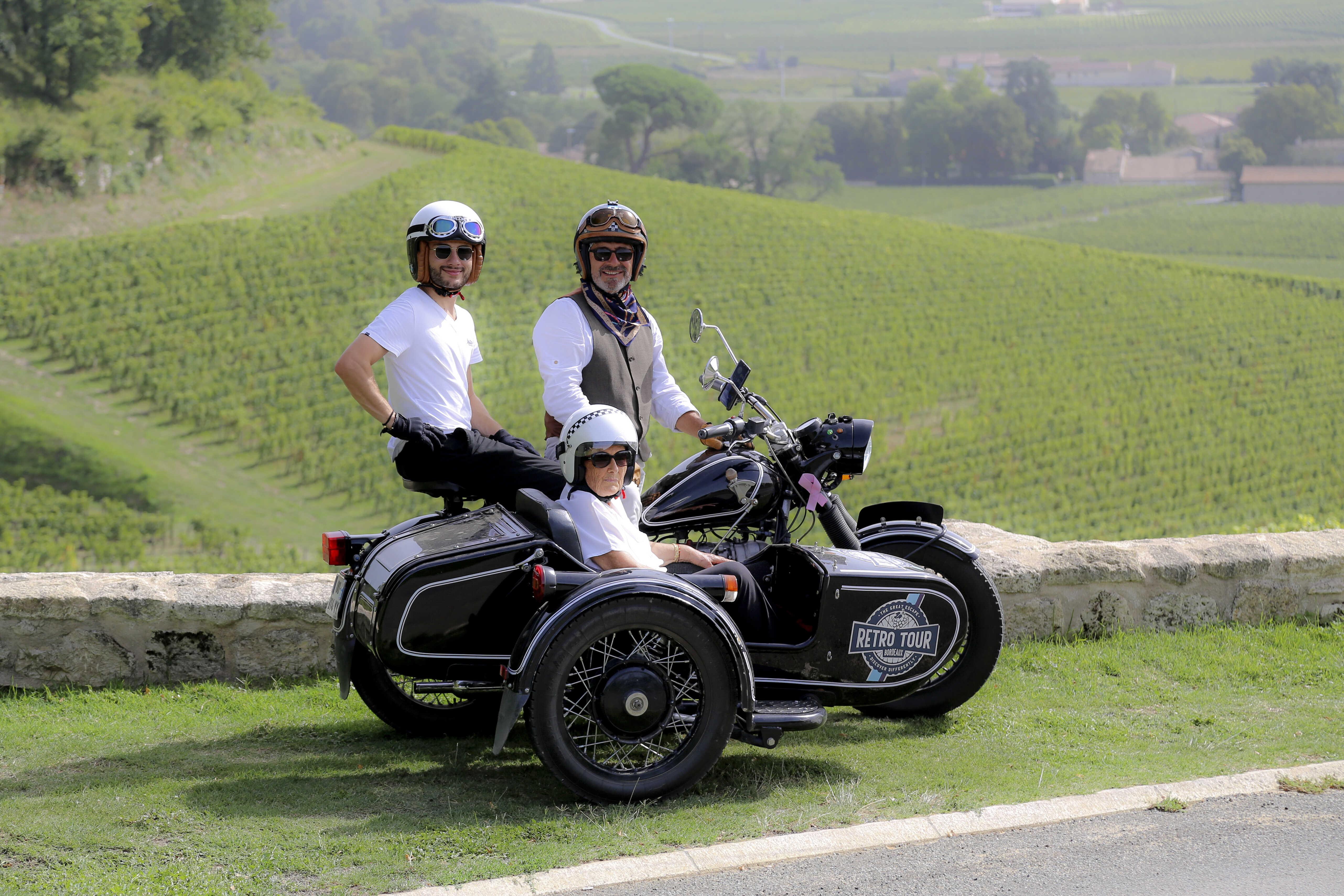
Explore legendary wine estates aboard a classic sidecar, then wander the cobbled streets of a UNESCO village
Visit the Tourist Office to collect maps and confirm your saint emilion wine tour from bordeaux schedule.
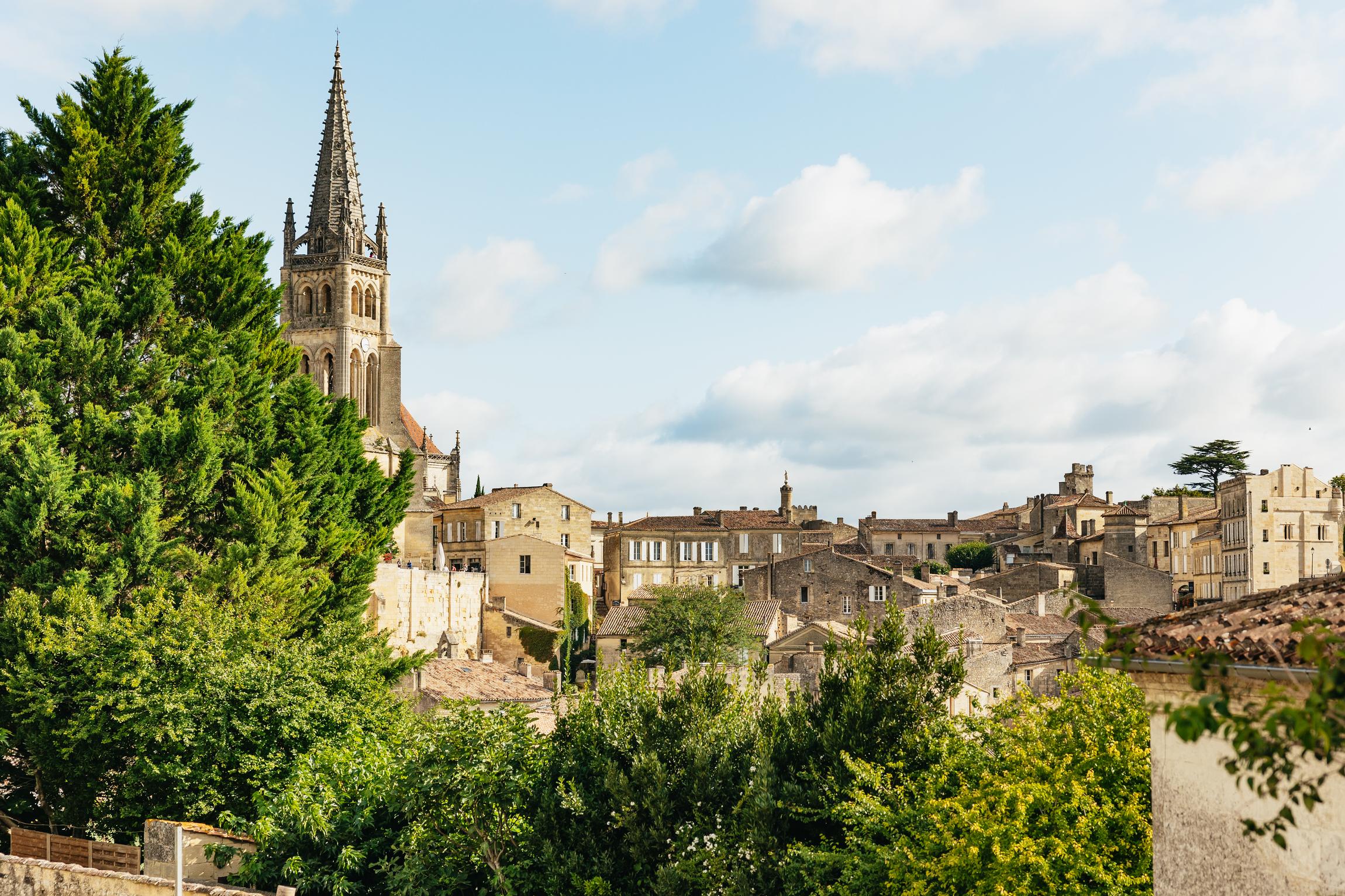
Explore the Monolithic Church and medieval lanes of Saint-Émilion.
Visit local châteaux to learn about terroir and wine production.
Participate in a guided tasting session at a local estate.
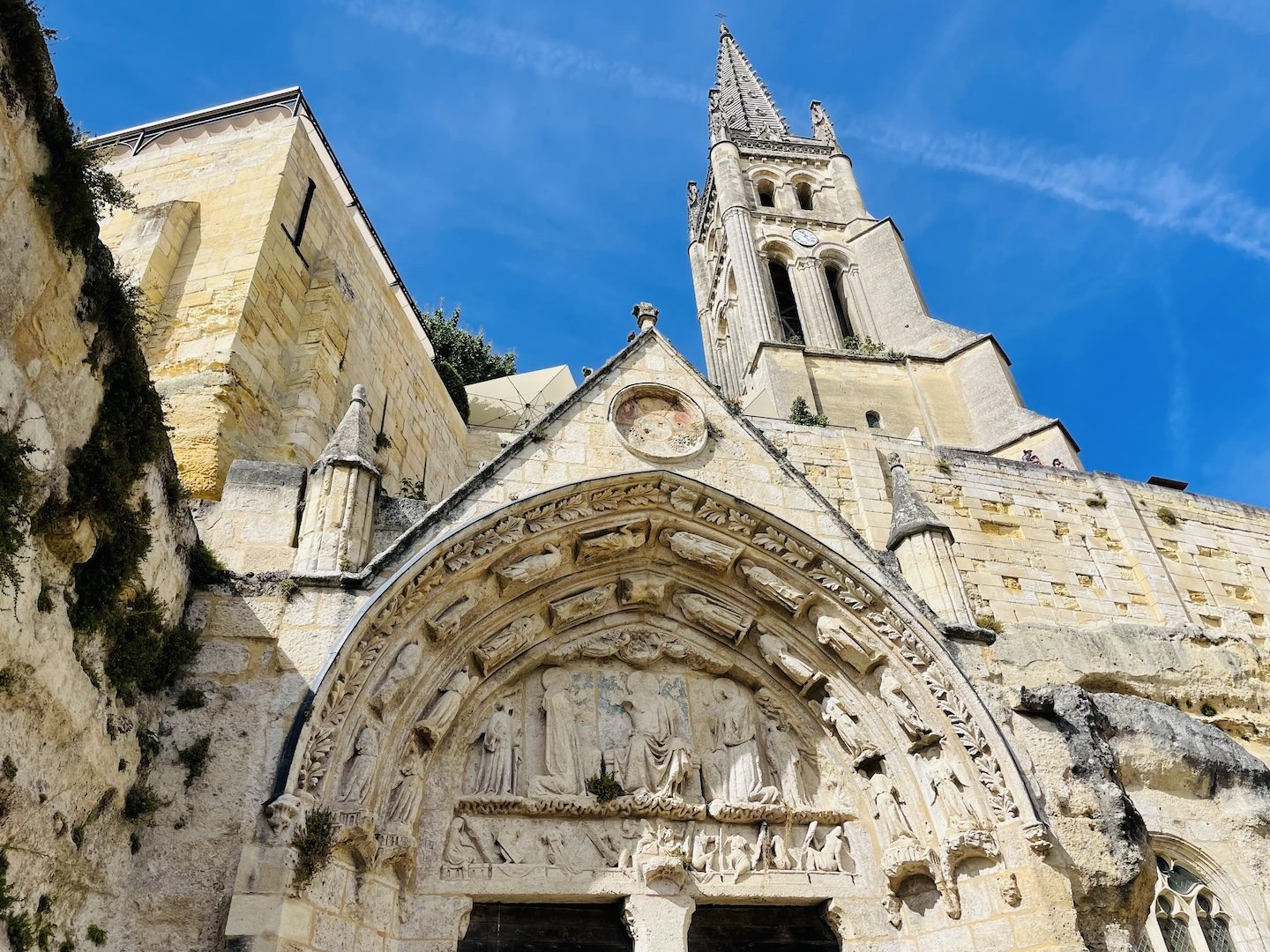
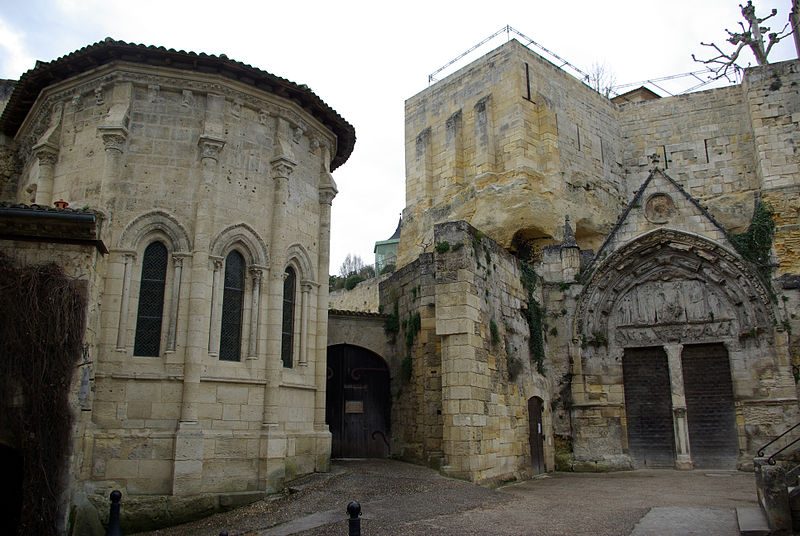
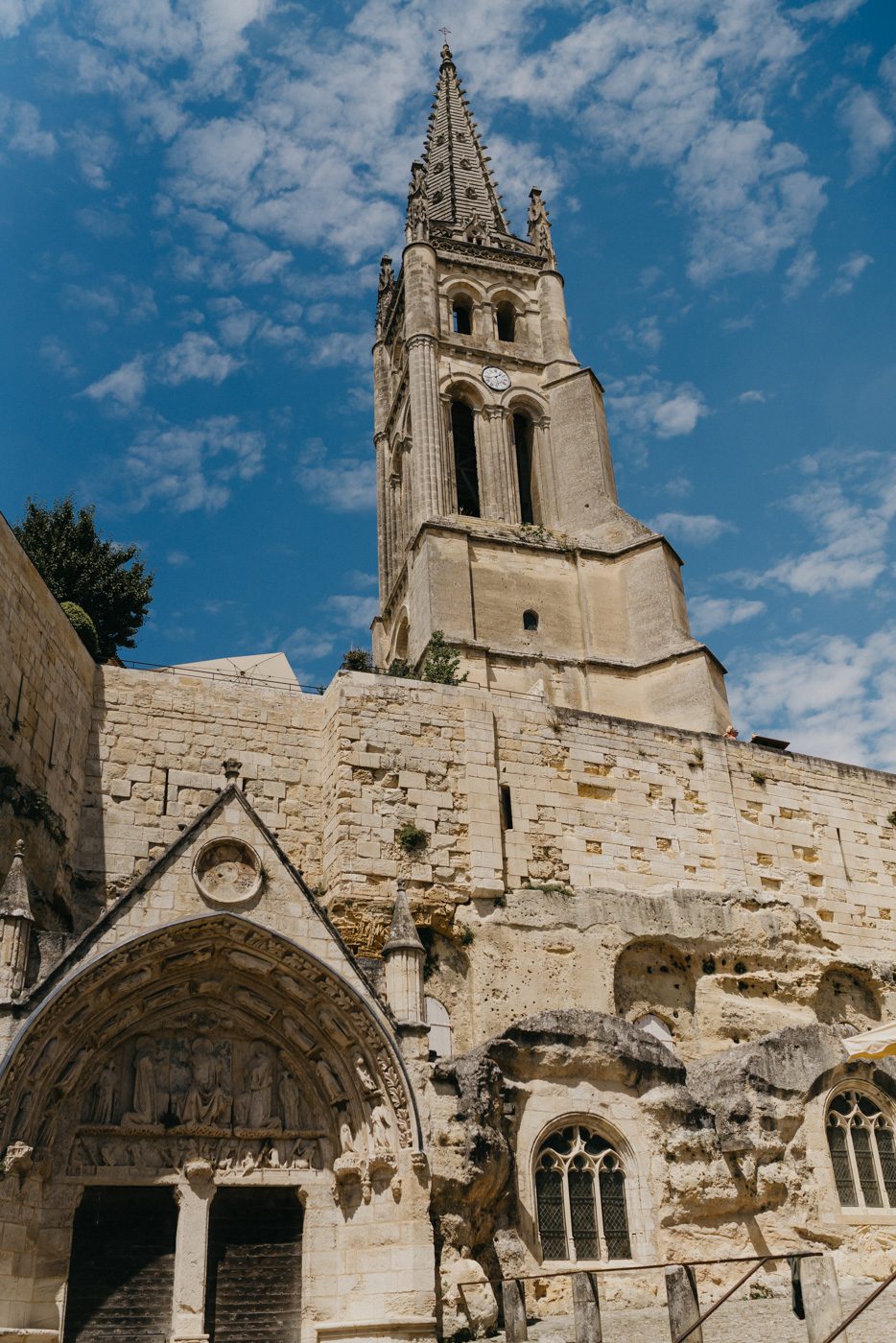
This 12th-century monument is carved from a single piece of limestone and represents the largest underground church in Europe.
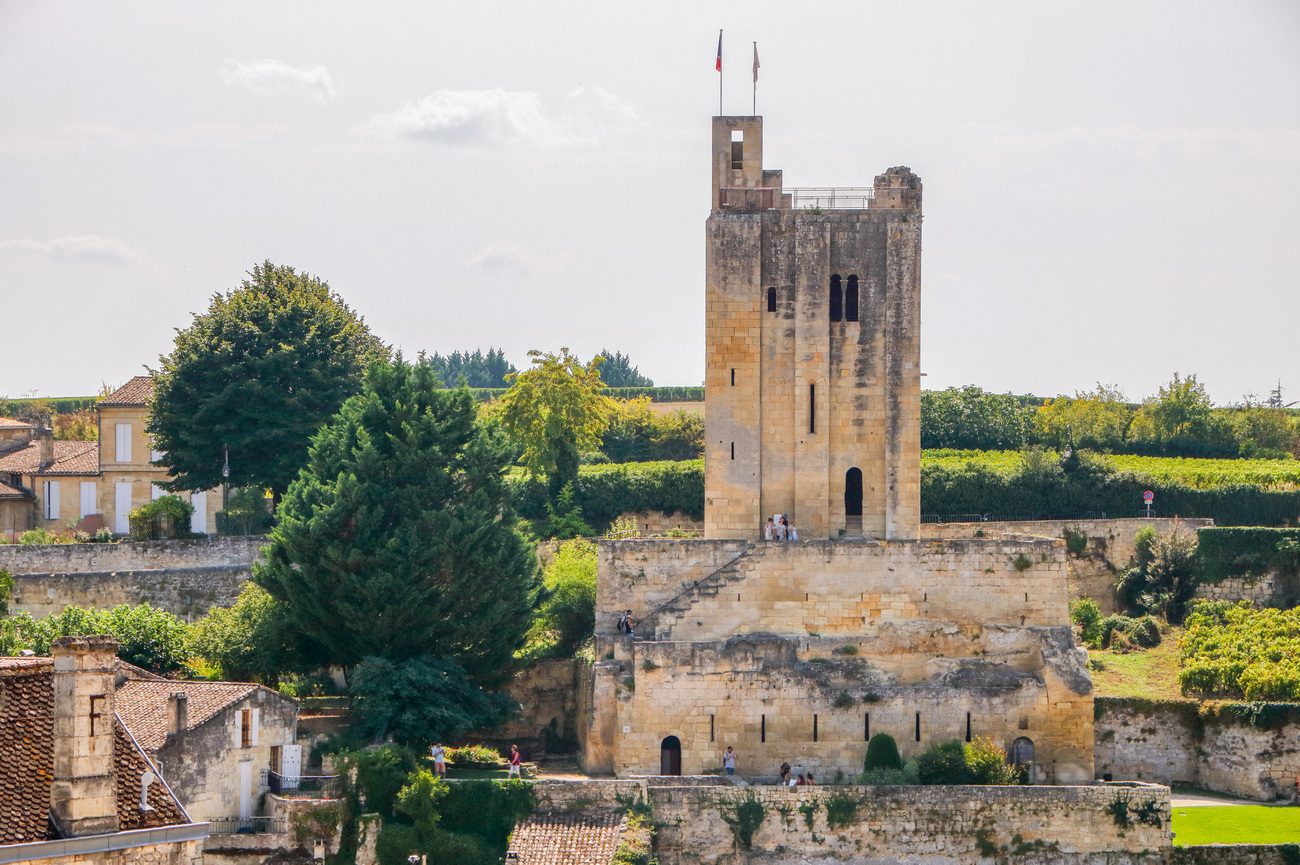
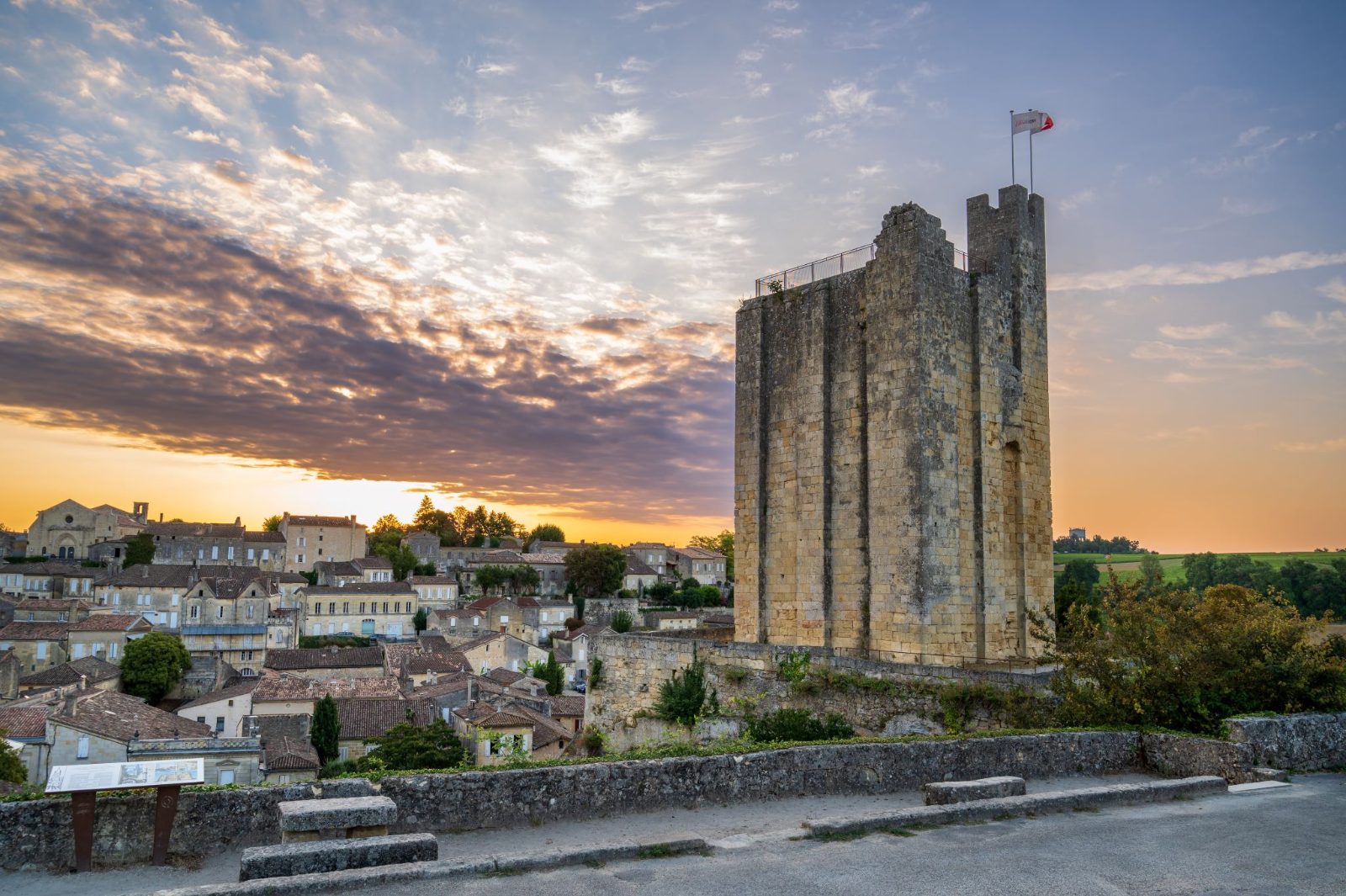
Also called Tour du Roy, this 13th-century structure offers a bird's-eye view of the village and the surrounding wine region.
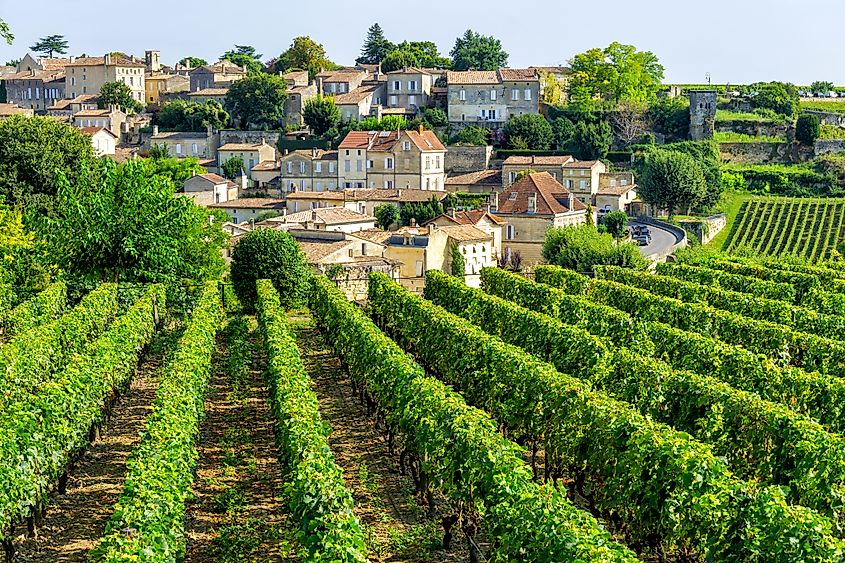
These hillsides are the heart of the UNESCO-listed jurisdiction, home to famous Saint-Émilion Grand Cru vineyards.
A historic cave site where the monk Émilion lived in the 8th century, marking the village's spiritual roots.
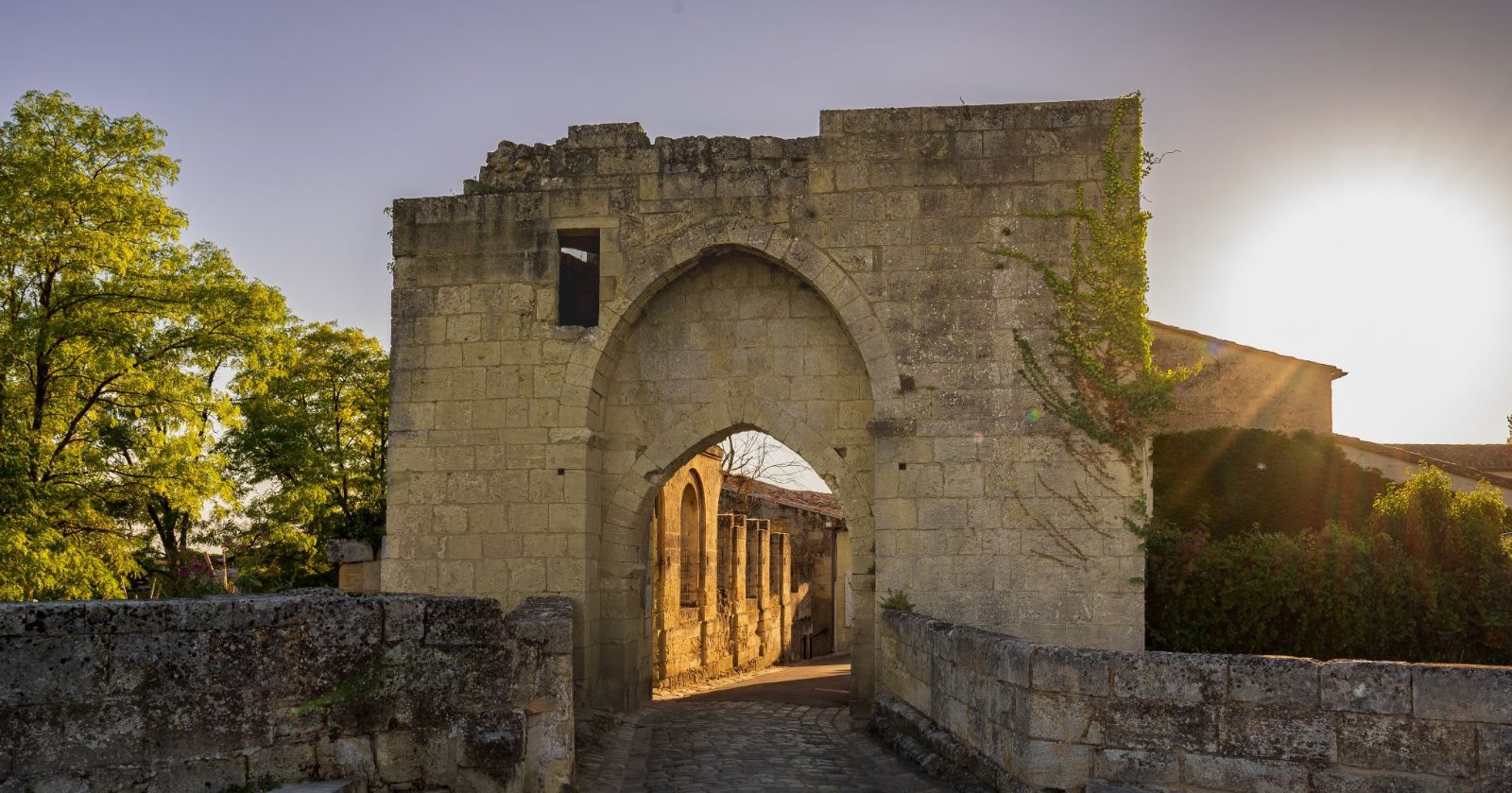
A historic medieval gate that once served as part of the village's fortified perimeter defenses.
You depart Bordeaux mid-morning, crossing the Garonne and heading east through Entre-Deux-Mers, where roadside signs mark the transition from generic Bordeaux AOC to Saint-Émilion's protected zone.
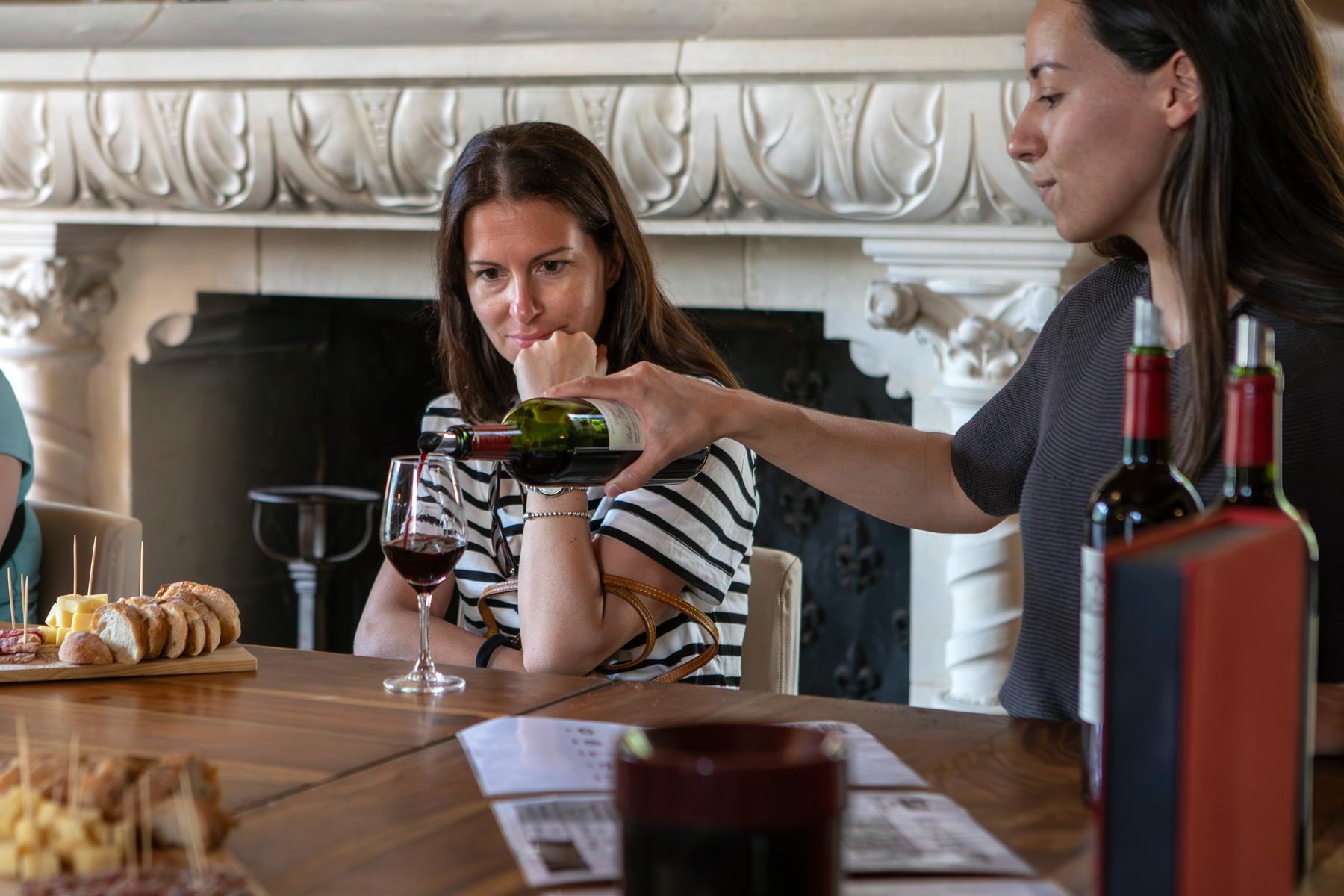
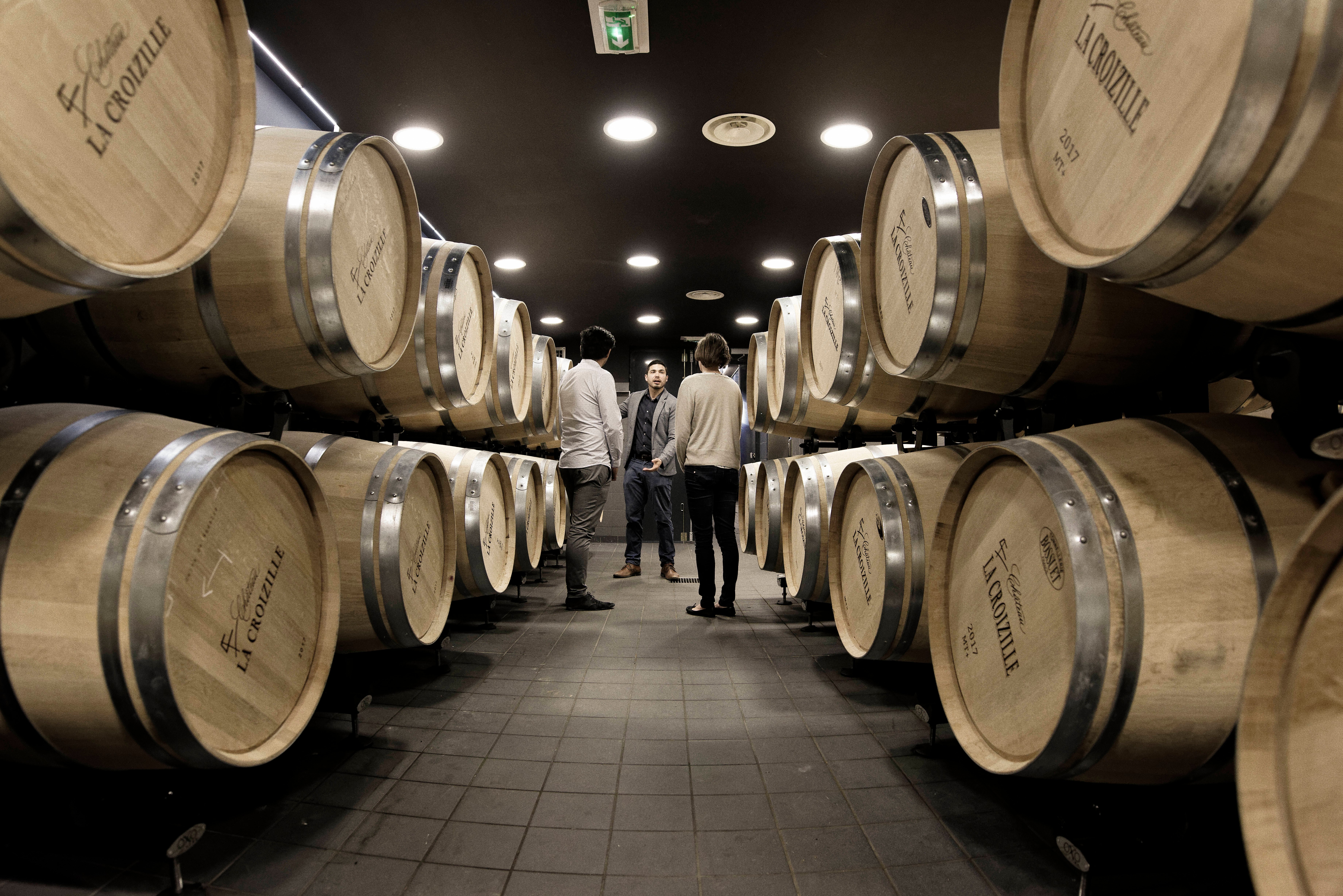
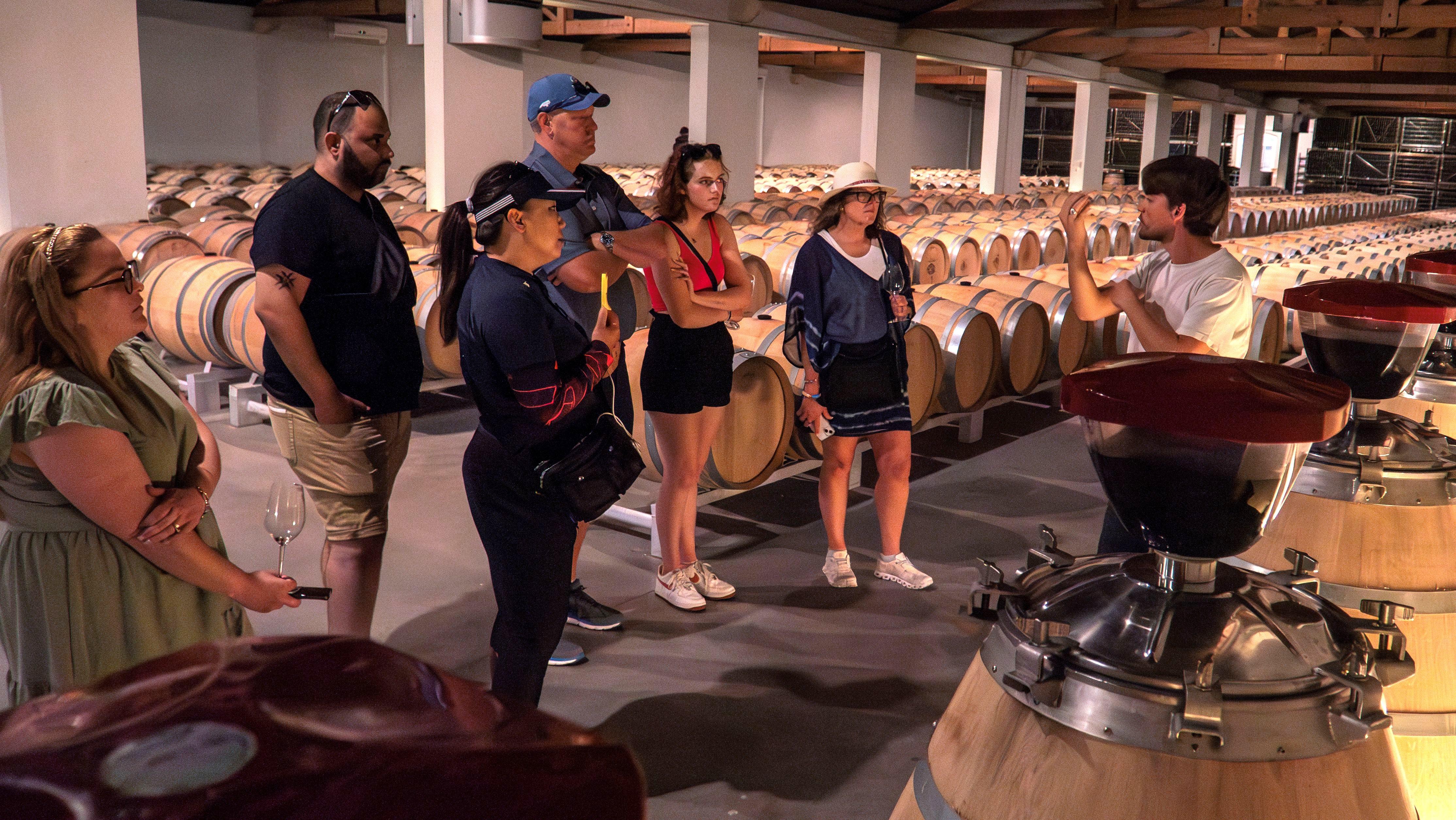
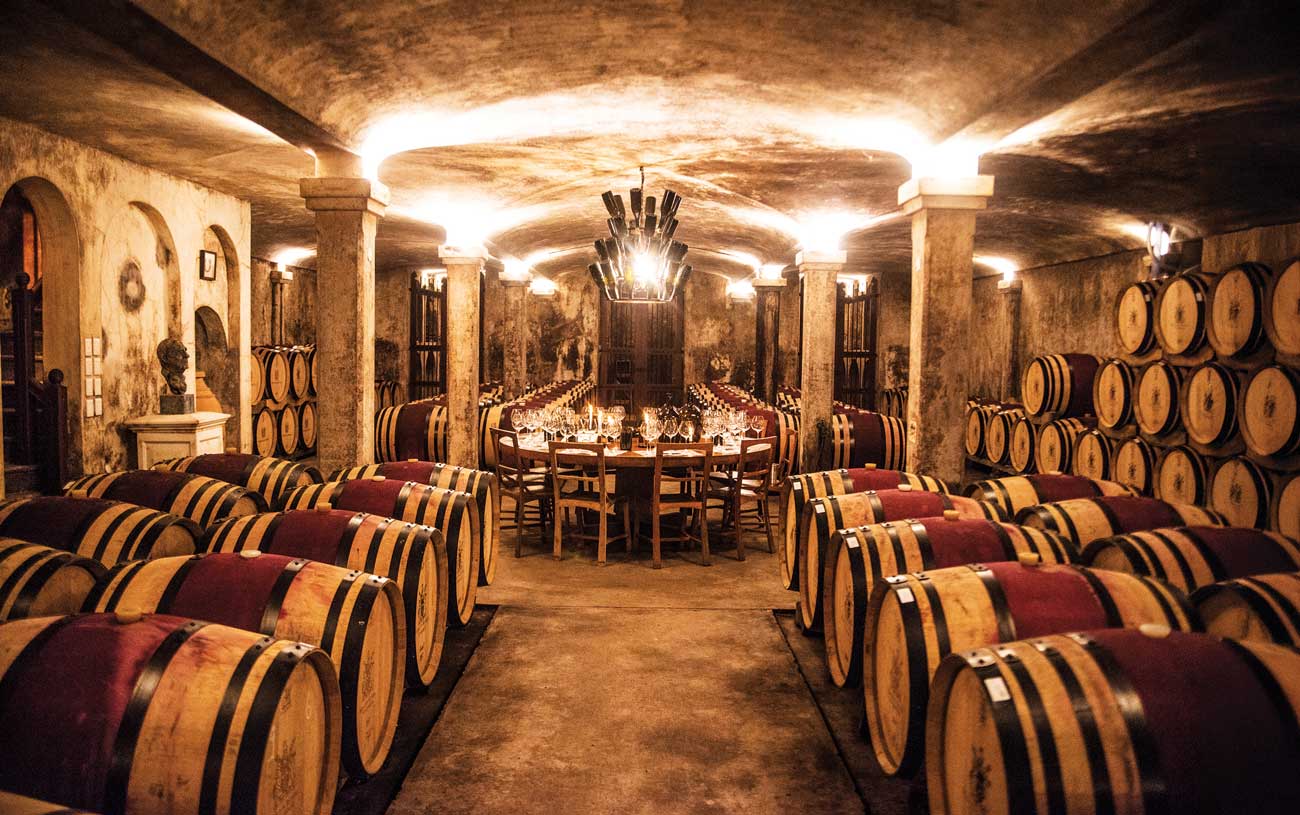
Your first château appears after 40 minutes—typically a family-run Grand Cru estate where the winemaker or cellar master greets your group at the barrel room entrance. You descend into limestone cellars kept at 14°C year-round, breathing air thick with oak tannins, and taste three wines: a young Saint-Émilion Grand Cru still tight with fruit, a five-year Reserve showing tobacco and plum, and occasionally a Premier Grand Cru Classé that coats your palate with silk and graphite.
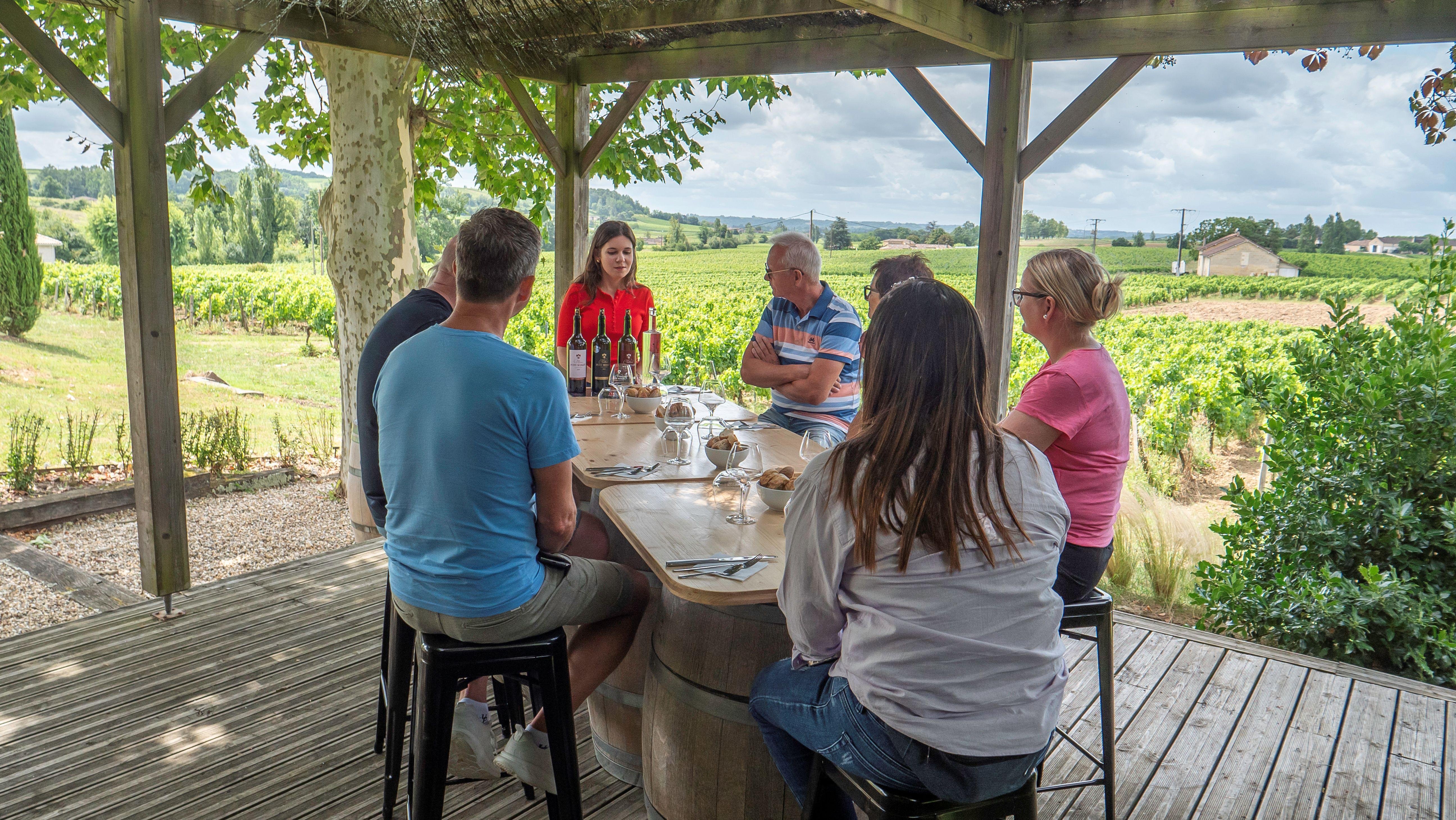
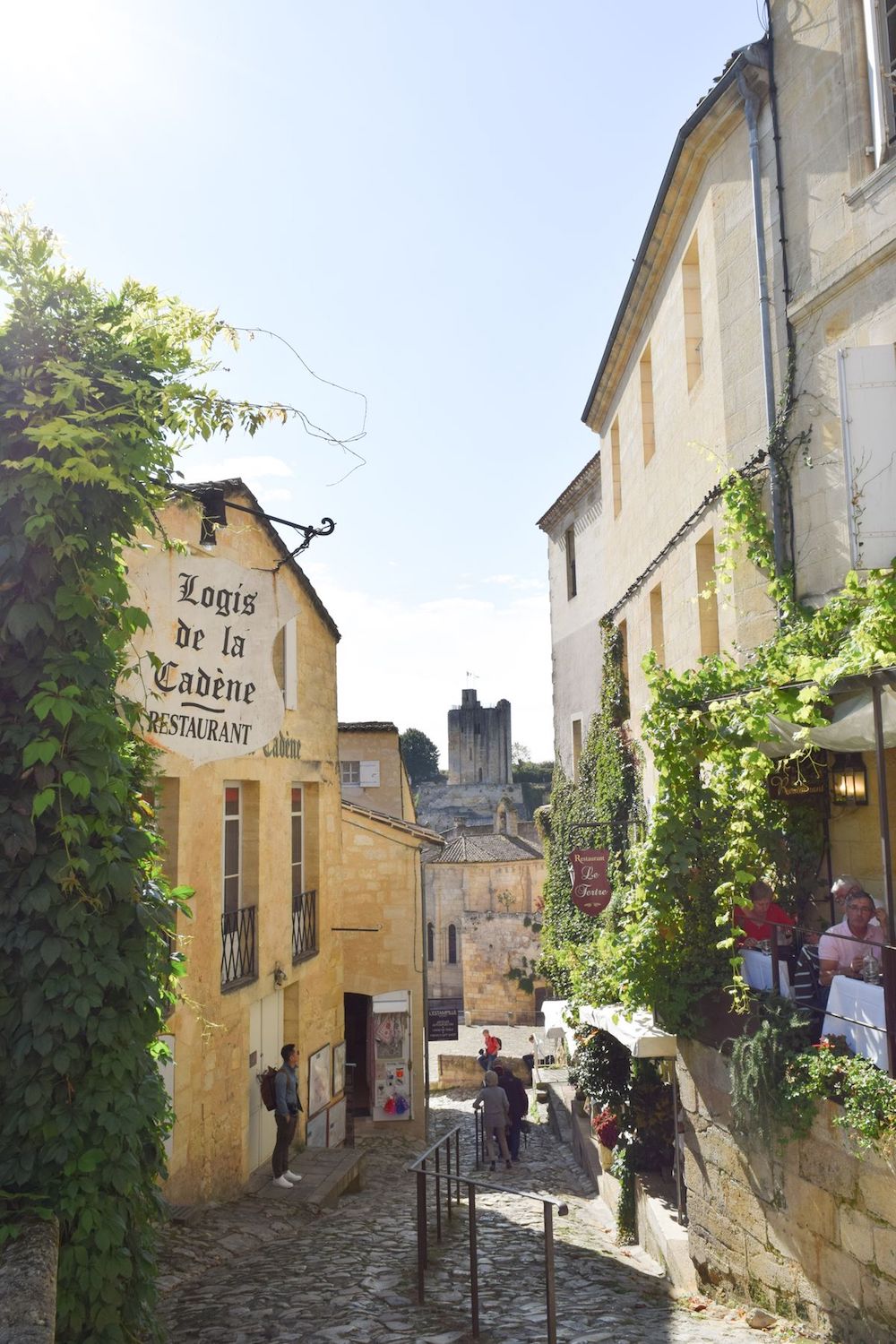
After the tasting, you drive into the village itself, parking below the ramparts and climbing cobbled Rue Guadet to Place du Marché. The Tourist Office at Le Doyenné provides context—monks, English rule, the Jurade's role—before you explore the monolithic church or walk the perimeter walls for views over Merlot rows stretching toward the Dordogne. Lunch, when included, is a picnic on château grounds: charcuterie, Saint-Nectaire, baguette, and a bottle of the estate's second wine. A second property visit follows—often a larger classified estate with newer fermentation technology—before the return to Bordeaux by 18:00.
All the details about your upcoming adventure in one place
Saint-Émilion's 800 hectares of limestone hillside vineyards produce wines that have held UNESCO World Heritage status since 1999, the first viticultural landscape to receive the designation.
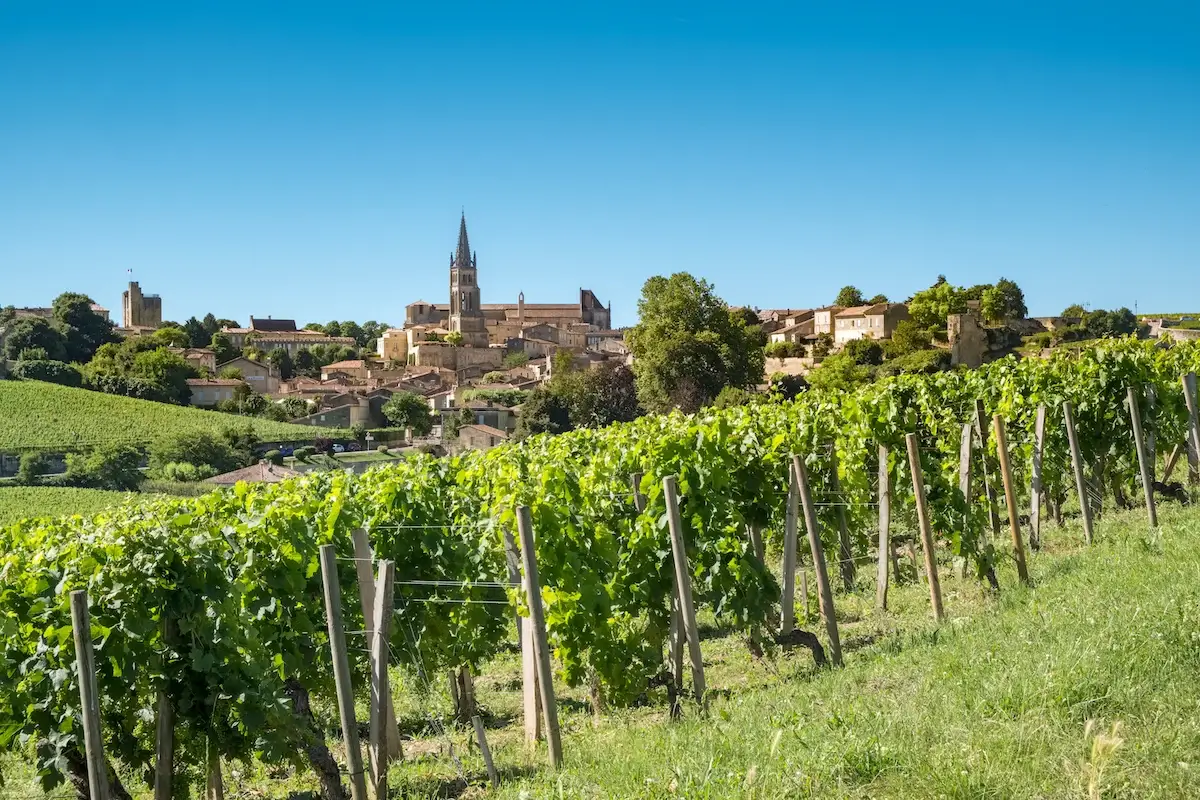
The medieval village sits 40 kilometers east of Bordeaux on the right bank of the Dordogne, where Merlot-dominant blends achieve a structure and longevity that rival the Left Bank's Cabernet fortresses. The appellation's 130 châteaux range from family holdings of three hectares to estates spanning fifty, yet all share the same calcareous clay soils that deliver the minerality behind Saint-Émilion's reputation.
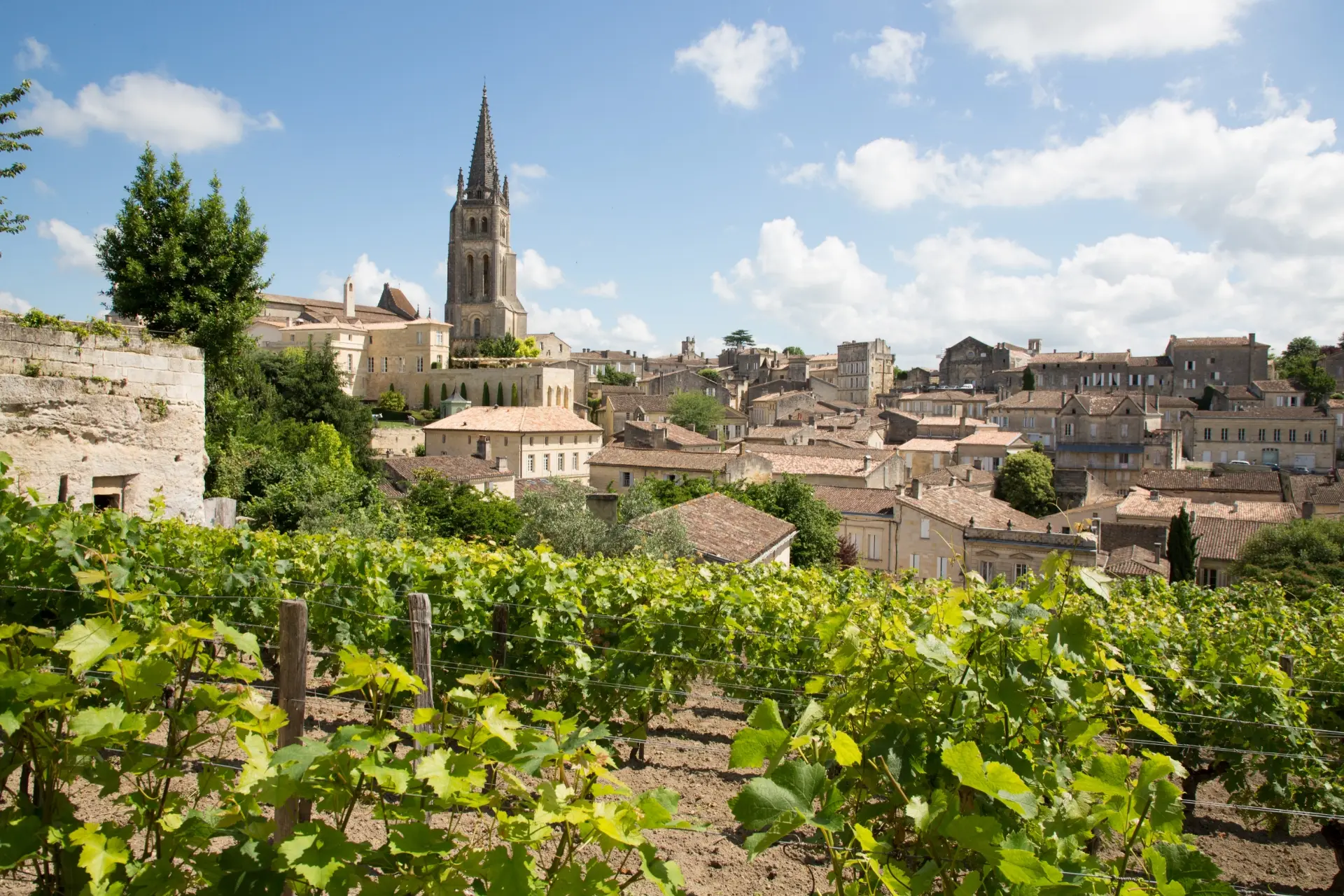
The village itself is carved into soft limestone; its ninth-century monolithic church was hollowed directly from the bedrock by Benedictine monks, leaving 38-meter vaulted ceilings that remain the largest underground religious structure in Europe. Above ground, narrow cobbled lanes wind past Romanesque chapels and timber-framed houses that date to the 1100s, when Eleanor of Aquitaine granted Saint-Émilion the right to govern its own vineyards. That autonomy created the Jurade, a wine brotherhood that still certifies every vintage and conducts public judgments twice yearly from the Tour du Roy's stone balcony.
Modern saint emilion wine tour from bordeaux experiences focus on the appellation's Grand Cru Classé estates, where temperature-controlled cellars hold vintages aging in French oak. Tastings typically compare three to five wines, beginning with a Saint-Émilion Grand Cru and progressing to Premier Grand Cru Classé bottlings that can sell for €200 per release. Guides explain the 1955 classification system, revised every decade, and the distinction between Saint-Émilion, Saint-Émilion Grand Cru, and the Premier tiers. Many tours pair château visits with walks through the UNESCO village, where the Collegiate Church's cloisters and the Cordeliers cellars—now producing sparkling Crémant—offer architectural counterpoints to the vineyard estates. September through October brings harvest season, when mechanical pickers work the flatter parcels while hand-sorting teams move through Grand Cru slopes at dawn.
The appellation's 130 châteaux share the same calcareous clay soils that deliver the minerality behind Saint-Émilion's reputation.
Casual and comfortable attire is recommended for a saint emilion wine tour from bordeaux, especially as you may walk on uneven cobblestone streets. Sturdy walking shoes are essential for exploring the Saint-Émilion vineyards and village terrain.
Small daypacks are acceptable, though large luggage is generally prohibited inside historical monuments. Security staff may conduct checks at the entrance to protected sites during a saint emilion wine tour from bordeaux.
Photography is generally permitted in public areas and most vineyards, but please refrain from using flash inside the underground Monolithic Church or during private tastings. Respect the privacy of winemakers during your saint emilion wine tour from bordeaux.
Family-friendly activities are available, including vineyard walks and exploration of the historic village. Note that many wine estates have age restrictions for tasting sessions on a saint emilion wine tour from bordeaux.
The Saint-Émilion village has steep, cobblestone streets which may be challenging for visitors with limited mobility. Accessible guided options for a saint emilion wine tour from bordeaux can be arranged through the tourist office.
Picnicking is permitted in designated areas outside the historic village center. Consumption of outside beverages is restricted within private châteaux during any saint emilion wine tour from bordeaux.
Opening Hours
10:00–18:00
Address
Le Doyenné, Place des Créneaux, 33330 Saint-Émilion, France
Accessibility
Yes
Best arrival window
10:00–12:00
Official site
https://www.saint-emilion-tourisme.com
Public transport
Regional trains run frequently from Bordeaux Saint-Jean station to Saint-Émilion station. A shuttle or a short walk is required to reach the village center from the station.
Car
The village is accessible via the D670 road. Parking is available outside the village walls, requiring a 5-10 minute walk to the center.
Specific tour operators have individual policies; check your booking confirmation. Entrance to the Tourist Office is 0 EUR.
Recommended time
Half a day to full day
A typical saint emilion wine tour from bordeaux requires at least a half-day to fully explore the limestone cellars and surrounding vineyards. Arriving during the 10:00–12:00 window is essential to avoid peak afternoon congestion and secure space for popular Saint-Émilion excursions. Booking saint emilion wine tour from bordeaux tickets in advance helps streamline your experience, as travelers often need extra time for leisurely tastings at regional wine estates. You may require a full day if you plan to walk through the village landmarks and visit multiple châteaux, as crowds fluctuate significantly near the UNESCO heritage sites by mid-afternoon. Consider this saint emilion wine tour from bordeaux tour a balanced way to experience the region without rushing between tastings.
Crowd levels through the day
Weather · crowds · average price — dots go green to amber to red as each metric rises.
Mild temperatures and blossoming vines make this perfect for a saint emilion wine tour from bordeaux.
Warm weather with lively harvest preparations; expect larger crowds.
Features stunning fall foliage and peak winemaking activity in the vineyards.
Quiet atmosphere and cooler weather, ideal for intimate visits to local châteaux.
Guided vineyard tours for a saint emilion wine tour from bordeaux sell out quickly during harvest season.
Temperatures in the underground monuments and wine cellars remain cool regardless of the weather outside.
Use the steep alleyways to find photo spots away from the main square.
Always confirm if your châteaux visit includes a tasting in your saint emilion wine tour from bordeaux package.
The staff can provide a list of châteaux accepting spontaneous visits.
Saint-Émilion's winemaking legacy began in the 8th century when the Benedictine monk Émilion settled in a limestone cave above the Dordogne valley around 750 CE. His hermitage attracted followers who carved monolithic chambers into the plateau and planted vines on the surrounding slopes. By the 12th century, the village had become a fortified medieval town and a key stop on the Santiago de Compostela pilgrimage route, with the expansion of vineyard holdings managed by Franciscan and Dominican orders. The unique terroir—a patchwork of limestone plateaus, clay-limestone côtes, and ancient gravel beds deposited by the Isle River—proved ideal for Merlot and Cabernet Franc cultivation, though this varietal dominance would not crystallize until centuries later. The English crown controlled the region from 1152 to 1453, and Saint-Émilion wines flowed to London and Bristol under preferential trade terms. After the Hundred Years' War returned Aquitaine to France, the Jurade—a governing council of vintners established in 1199—was revived in 1948 to maintain quality standards and ceremonially proclaim the harvest each September. The appellation system formalized in 1954 established Saint-Émilion as one of France's premier wine regions, and the 1955 classification created a tiered hierarchy of Premier Grand Cru Classé estates that is revised roughly every decade. UNESCO inscribed the jurisdiction as a World Heritage Site in 1999, recognizing both the intact medieval village and the continuous viticultural landscape spanning nearly 5,400 hectares. Today, those booking a saint emilion wine tour from bordeaux explore cellars cut into the same Rupelian limestone that sheltered Émilion himself, tasting wines shaped by soil laid down thirty million years ago. The monolithic church, completed in the 11th century, remains the largest of its kind in Europe, carved entirely from bedrock beneath the town square.
The monk Émilion establishes a hermitage in a limestone cave, attracting a monastic community that plants the first documented vineyards.
Saint-Émilion becomes a fortified medieval town and pilgrimage stop, with the completion of the monolithic church carved from bedrock.
English rule brings commercial expansion as Saint-Émilion wines gain privileged access to markets in London and Bristol.
The Jurade council of vintners is founded to regulate wine quality and trade practices, a governance model later revived in 1948.
The Saint-Émilion appellation is officially established under French AOC law, defining geographic boundaries and production standards.
The first formal classification ranks estates into Premier Grand Cru Classé and Grand Cru Classé tiers, subject to periodic revision.
UNESCO designates Saint-Émilion a World Heritage Site, recognizing its medieval architecture and unbroken viticultural tradition.
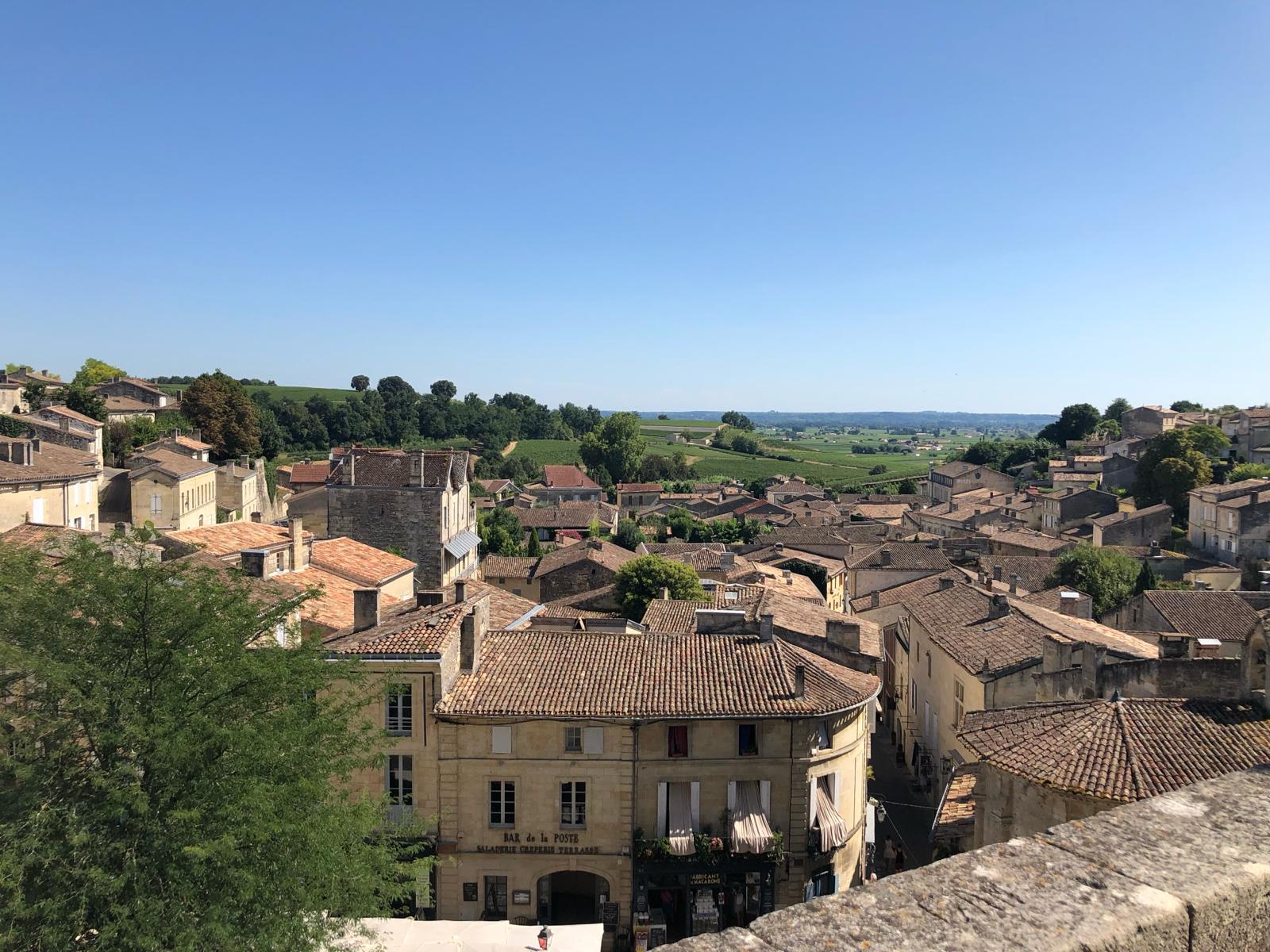
Climb the spiral staircase to the terrace for a panoramic view of the limestone rooftops and surrounding UNESCO heritage vines.
Stand near the Monolithic Church bell tower to frame the ancient stone facade against the narrow medieval alleyways.
Walk along the limestone plateau edge to capture the rows of Merlot grapes, a highlight of any saint emilion wine tour from bordeaux.
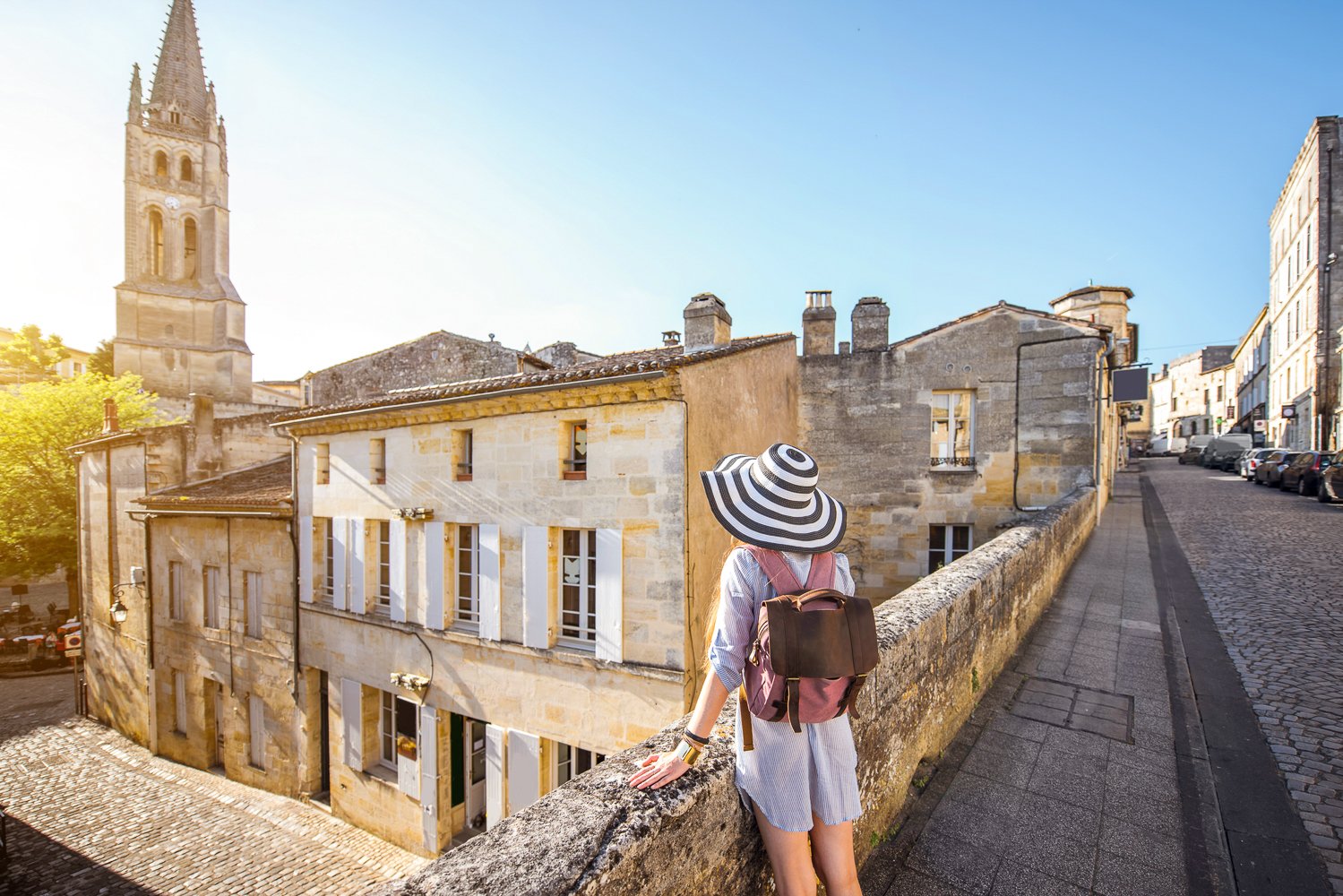
Position yourself on this steep cobblestone street for an upward angle looking toward the historic center landmarks.
Planning a saint emilion wine tour from bordeaux requires balancing adult-focused vineyard visits with the needs of younger travelers. Navigating the cobblestone streets and historic cellars of this UNESCO heritage site is manageable with careful preparation.
Due to steep cobblestone streets, lightweight carriers are superior to strollers for navigating the village and saint emilion wine tour from bordeaux tours.
Public restrooms are available at the tourist office address, Le Doyenné, Place des Créneaux, 33330 Saint-Émilion, France, though baby-change stations are limited in historic buildings.
School-aged children often enjoy exploring the monolithic church and subterranean monuments, while infants find the quiet of the vineyards and saint emilion wine tour from bordeaux tour groups comfortable.
We recommend arriving between 10:00–12:00 to complete your visit before the afternoon heat and crowds, ensuring you secure saint emilion wine tour from bordeaux tickets early.
Entry to the tourist office is 0 EUR (Free entry to the Tourist Office; specific tours/monuments have separate fees.), and you can call +33557552828 for assistance with family-friendly vineyard access.
Finding a meal while on a saint emilion wine tour from Bordeaux is simple, as the medieval village offers various bistros within walking distance of the tourist office. While some vineyard excursions include picnic options, most visitors prefer the local gastronomy found in the town center.
A historic institution featuring regional pairings and a curated selection of local vintages. It serves as an ideal stop for those seeking a relaxed lunch between saint emilion wine tour from Bordeaux tours.
Everything you need to know for your journey
The Tourist Office is open daily from 10:00–18:00.
There is 0 EUR entrance fee for the Tourist Office, though specific monuments have separate fees.
It is highly recommended to book your saint emilion wine tour from bordeaux tickets in advance to ensure availability.
The best arrival window for a saint emilion wine tour from bordeaux is 10:00–12:00 to avoid mid-day crowds.
While the village has steep cobblestones, many vineyard areas on a saint emilion wine tour from bordeaux are accessible with assistance.
Photography is generally permitted during your saint emilion wine tour from bordeaux, except for flash inside monuments.
Wear comfortable walking shoes and casual layers suitable for the outdoors on your saint emilion wine tour from bordeaux.
There are many local shops and restaurants in the village to enjoy after your saint emilion wine tour from bordeaux.
You can take a train from Bordeaux to Saint-Émilion or drive via the D670 for your saint emilion wine tour from bordeaux.
Most tours have individual policies; check your booking confirmation for details on your saint emilion wine tour from bordeaux.
A massive 12th-century underground structure carved directly into the limestone cliff.
Also known as Tour du Roy, it offers panoramic views over the village and valley.
One of the original medieval gates guarding the historic entrance to the village.
A small, historic cave dwelling site associated with the village's founding monk.
Historic boutique hotel in the heart of the village.
High-end stay overlooking the village church and vineyards.
Several smaller family-run bed and breakfasts located near the village walls.
Join thousands of happy travelers who have discovered this incredible experience
Book Your Experience Now