9 hr
Full-Day Bordeaux Wine Experience: Saint-Émilion & Margaux
- Expert local guide
- Small group
- Skip-the-line access
- Free cancellation
Saint-Émilion Wine Tour Full Day — Reserved Vineyard Access
Limestone cellars and Grand Cru estates, sunrise to sunset in Bordeaux country
Compare fares, pick the fit — all bookings are mobile-voucher and eligible for free cancellation where shown.
9 hr
4 hr 30 min
4 hr 30 min
| Experience | From | Duration | Rating | Guide | Small group | Free cancel. | Price | |
|---|---|---|---|---|---|---|---|---|
|
Guided Experience
Most popular
Full-Day Bordeaux Wine Experience: Saint-Émilion & Margaux
|
— | 9 hr | ★ 4.8 | ✓ | ✓ | ✓ | €180 | Book → |
|
Standard Entry
Saint-Émilion Wine & Village Tour from Bordeaux
|
Bordeaux | 4 hr 30 min | ★ 4.9 | ✓ | ✓ | ✓ | €75 | Book → |
|
Standard Entry
Saint-Emilion Wine Experience from Bordeaux
|
Bordeaux | 4 hr 30 min | ★ 4.8 | ✓ | ✓ | ✓ | €95 | Book → |
Worth it for wine enthusiasts seeking depth
A saint emilion wine tour full day delivers substantial value if you want comprehensive exposure to Bordeaux's Right Bank terroir. Full-day options typically run €130–180 per person and include 3–4 château visits with guided tastings, lunch, and round-trip transport from Bordeaux. You'll taste Grand Cru Classé wines, walk historic vineyard plots, and explore the medieval village—a UNESCO World Heritage site since 1999. The format works best for travelers who want structured immersion rather than independent tasting-room hopping. Half-day saint emilion wine tour full day tours exist for €80–100, but they compress château visits and skip lunch, reducing time to absorb appellation nuances. Village access itself costs nothing; saint emilion wine tour full day tickets cover premium château entry, expert guides, and curated barrel-room access you won't get wandering solo. If your priority is ticking off multiple appellations in one outing, combined Saint-Émilion and Margaux itineraries justify the spend.
Bottom line: Book the full-day format if you value guided depth over autonomy; otherwise, a half-day tour plus self-guided village time offers better cost control.
Choosing between an immersive saint emilion wine tour full day and a self-guided village walk depends on whether you prioritize expert-led tastings or flexible exploration of UNESCO heritage sites. While the guided excursion provides deep access to prestigious vineyards, independent touring allows you to set your own pace among ancient limestone monuments.
|
Top pick Full Day Wine Tour |
Village Self-Guided Visit | |
|---|---|---|
| Focus | Viticulture and cellar techniques | |
| Duration | 7–9 hours | |
| Transport | Provided shuttle or private van | |
| Expertise | Professional sommelier commentary | |
| Price | 120–250 EUR per person | |
| Logistics | Requires advance booking | |
| Key Sight | Château estates and production | |
| See tickets & prices |
Verdict: Opt for the organized saint emilion wine tour full day tickets if you prefer a structured experience featuring professional insights, or select a self-paced visit for maximum independence while discovering local history at your own speed.
Hand-picked experiences loved by thousands of travelers
2 hours
Free Cancellation
Explore a fourth-generation estate in Saint-Émilion with the owners, touring vines and cellars before sampling four regional wines
5 to 5.5 hours
Free Cancellation
Explore a UNESCO medieval village and savor wines at two distinct estates in Bordeaux's legendary region
75 minutes
Free Cancellation
Meet fourth-generation winemakers at their Saint-Émilion estate for an intimate cellar tour and tasting
1 hour
Free Cancellation
Explore contrasting estates in Saint-Émilion and sample three exceptional Bordeaux wines
2 hours
Free Cancellation
Discover two distinguished Grand Cru Classé châteaux, taste exceptional Bordeaux wines, and savor a gourmet picnic amid vineyard views.
1 hour
Free Cancellation
Discover a family-run estate in Saint-Émilion with cellar tours and Grand Cru wine sampling
9 hours
Free Cancellation
Discover two prestigious Bordeaux wine regions in one day with tastings at multiple estates and lunch
8 hours
Free Cancellation
Discover a UNESCO wine village through château tastings, medieval streets, and ancient underground monuments
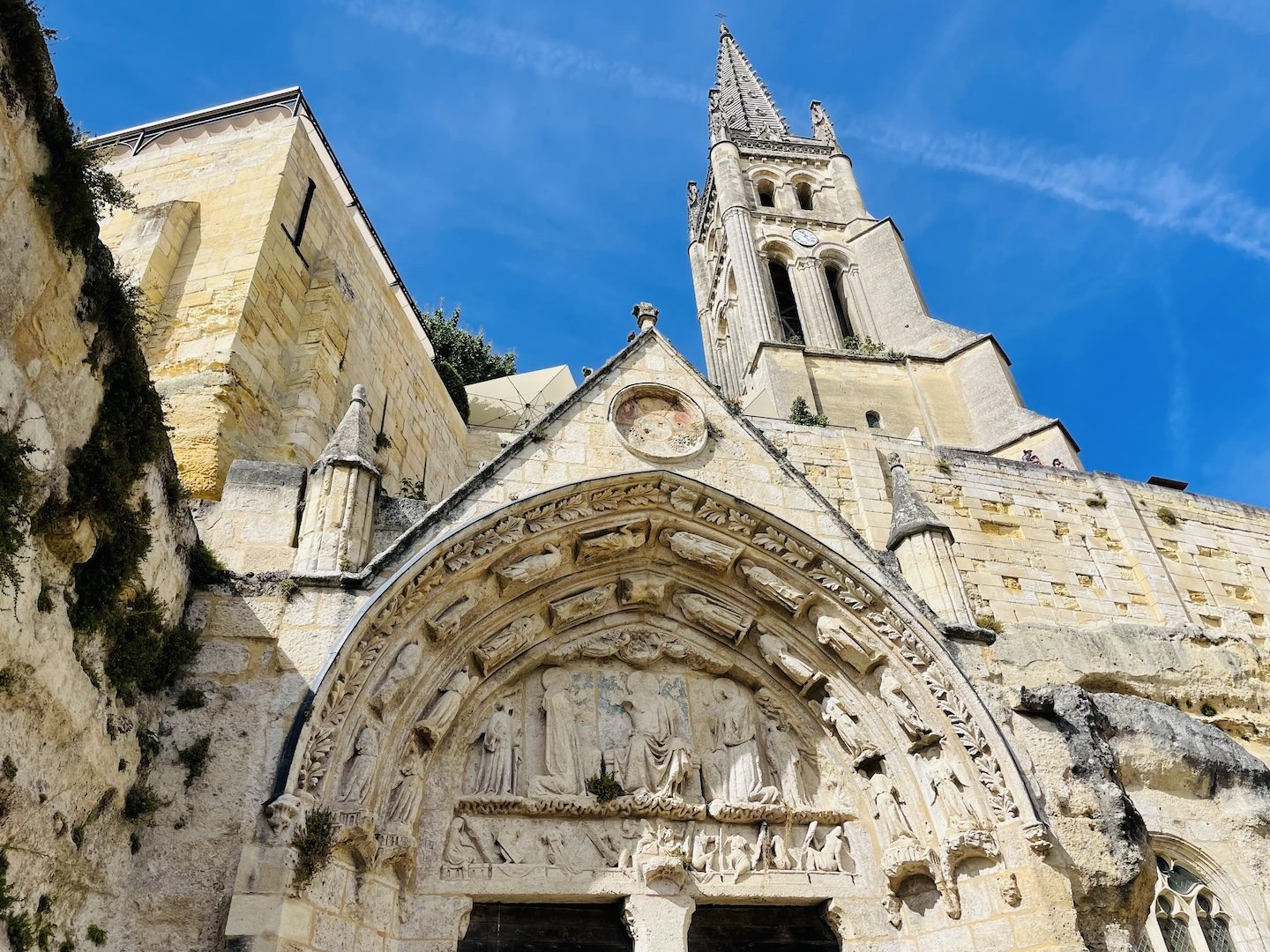
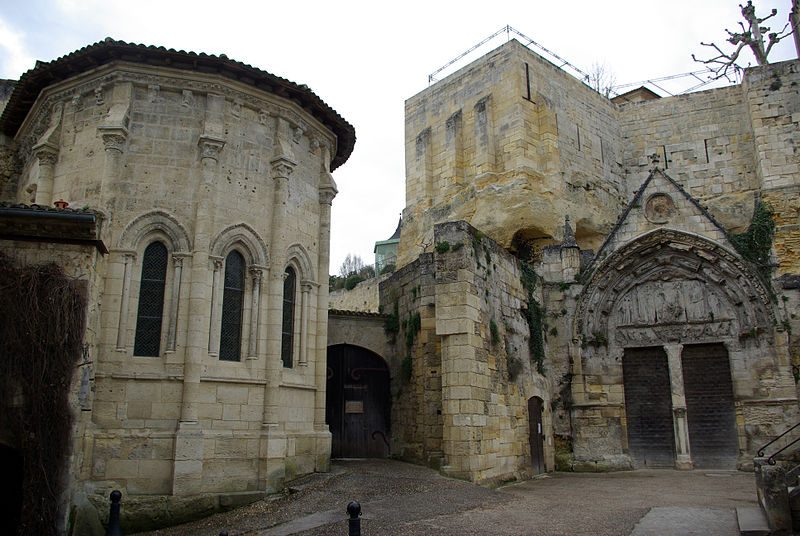
Carved directly into limestone in the 12th century, this structure spans 38 meters in length. It remains the largest underground rock-hewn church in Europe.
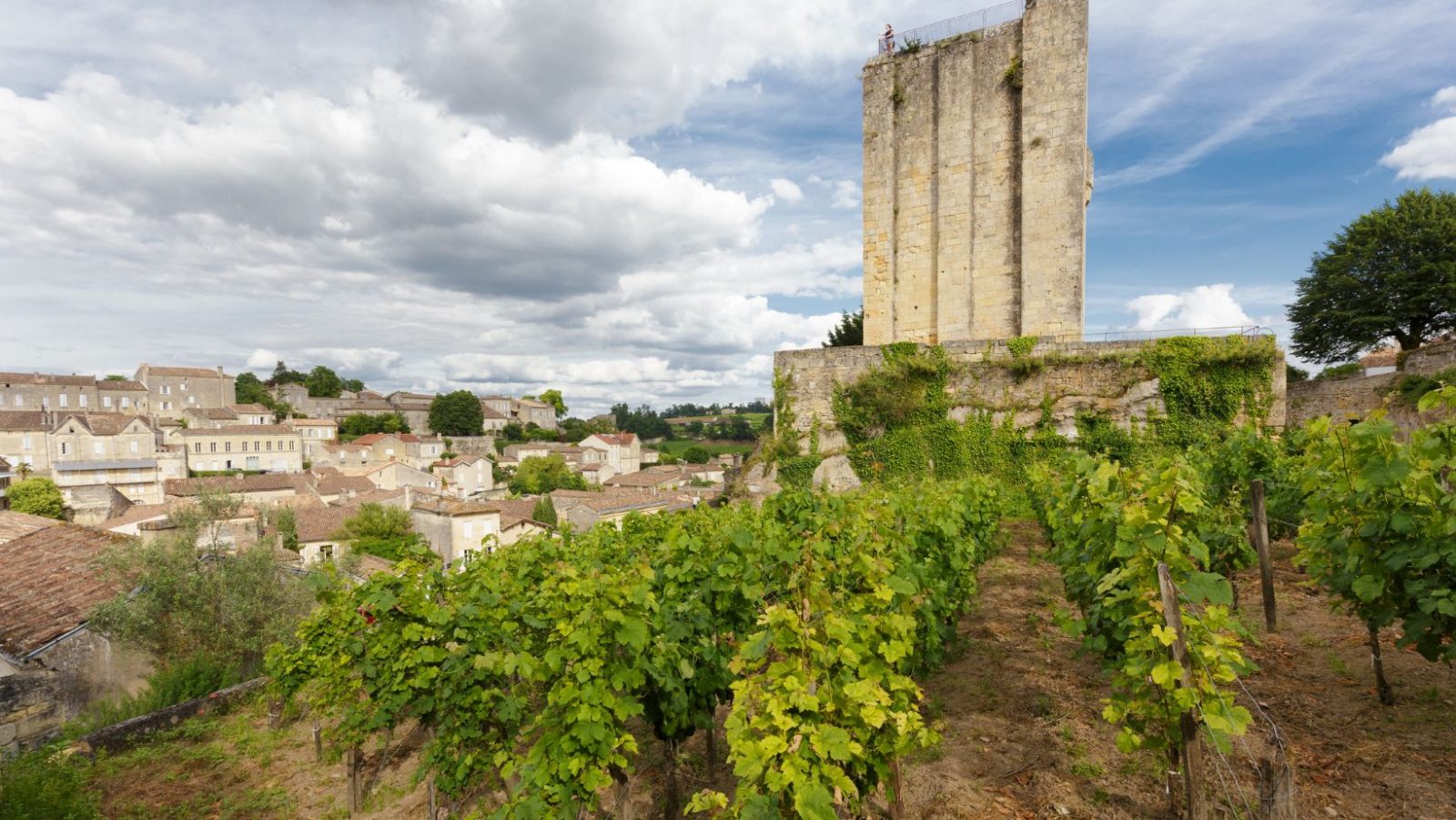
Also known as the Tour du Roy, this 13th-century defensive structure offers an observation point overlooking the village. It is the only remaining Romanesque keep in the jurisdiction.
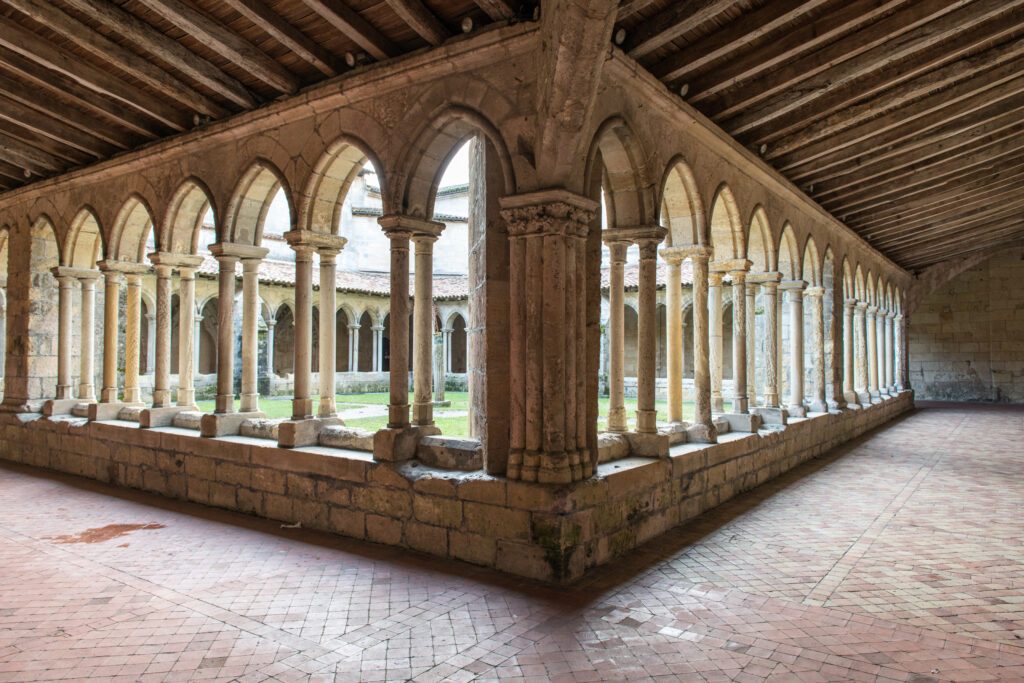
This 14th-century monastery ruin now serves as a scenic garden. It is famous for local sparkling wine production.
A small cave sanctuary where the monk Émilion is said to have lived. It contains his original stone bed.
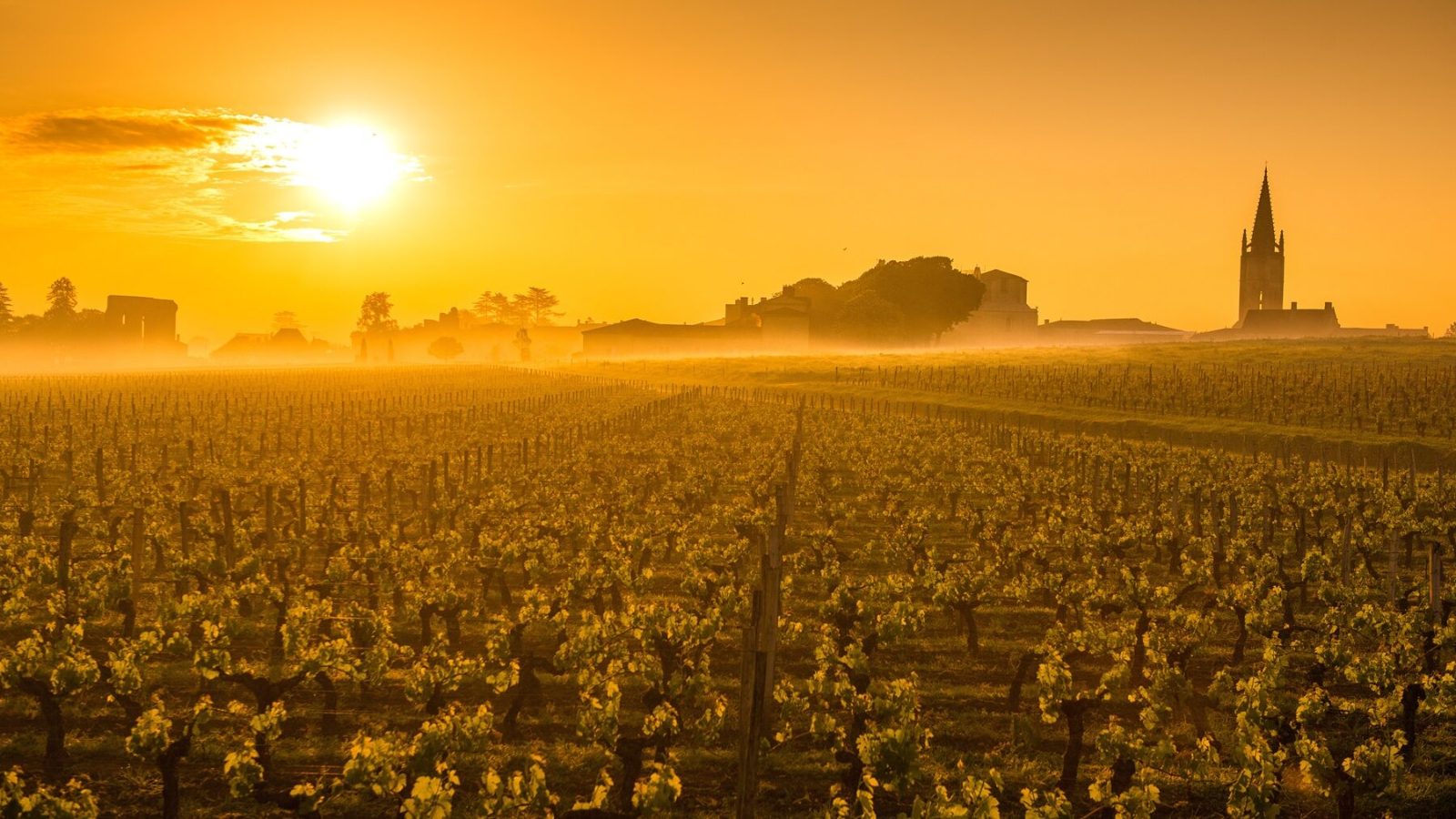
You leave Bordeaux as the morning light spreads across the Garonne, the city's stone quays giving way to flat vineyard country within ten minutes. The coach crosses into Right Bank appellations, rows of merlot vines replacing the cabernet sauvignon blocks that dominate the Médoc.
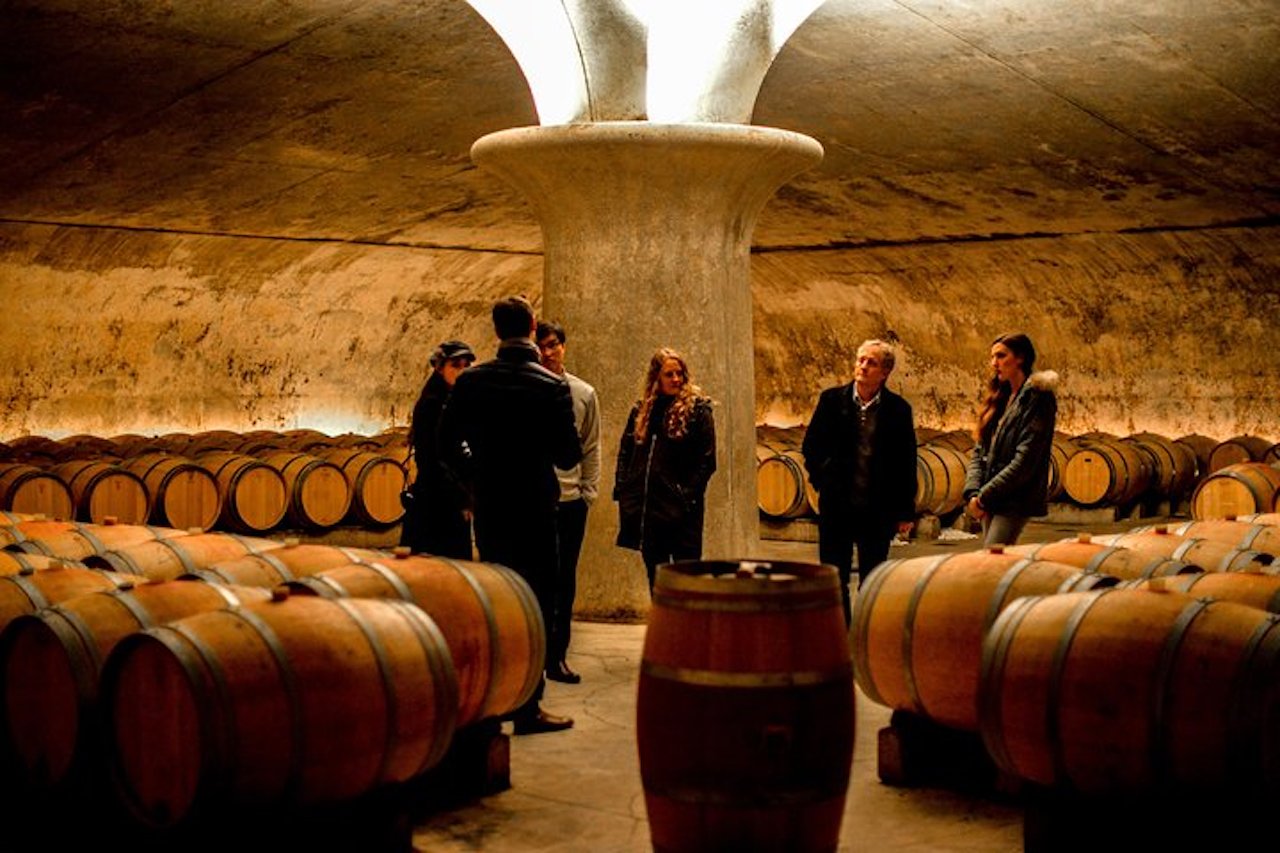
Your first château appears at the base of a limestone escarpment, its gravel courtyard opening onto barrel cellars that drop two stories underground.
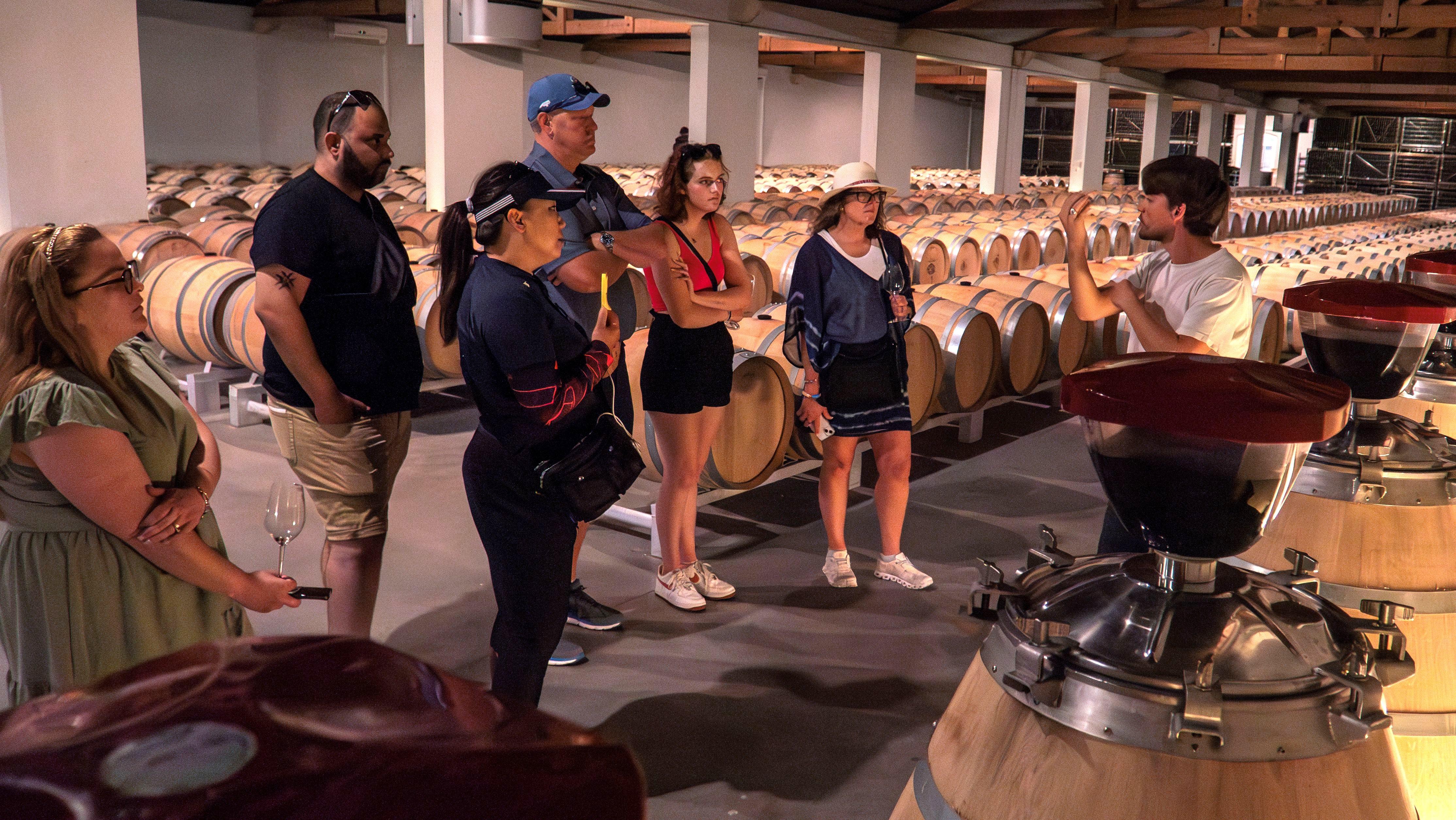
The winemaker pours from stainless steel tanks, explaining malolactic fermentation timelines and oak aging protocols. You taste three vintages side by side, tracing how tannins soften and fruit concentrates as the wine matures. The group moves to a second estate mid-morning, this one perched on the côtes with terraced parcels stepping down toward the valley.
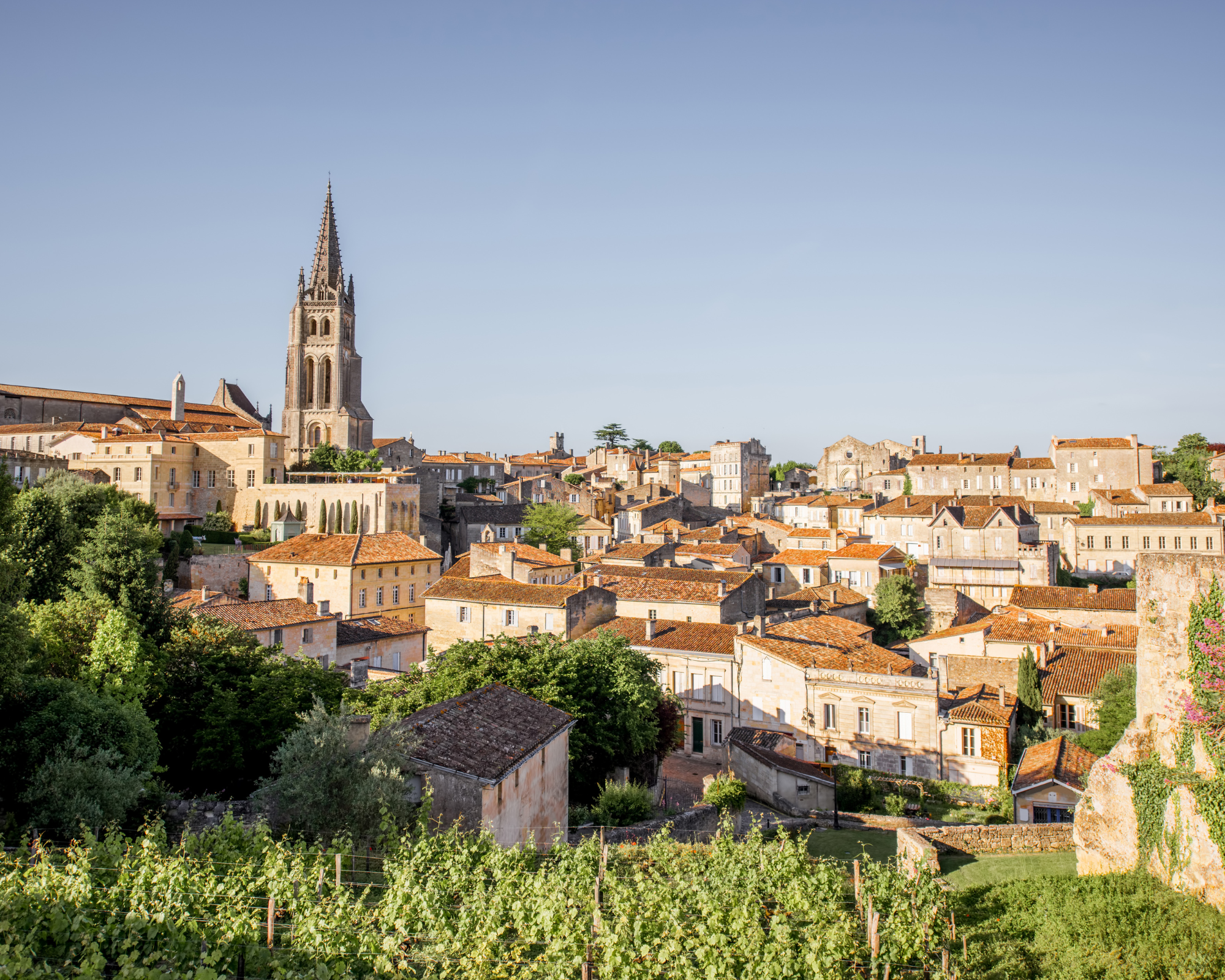
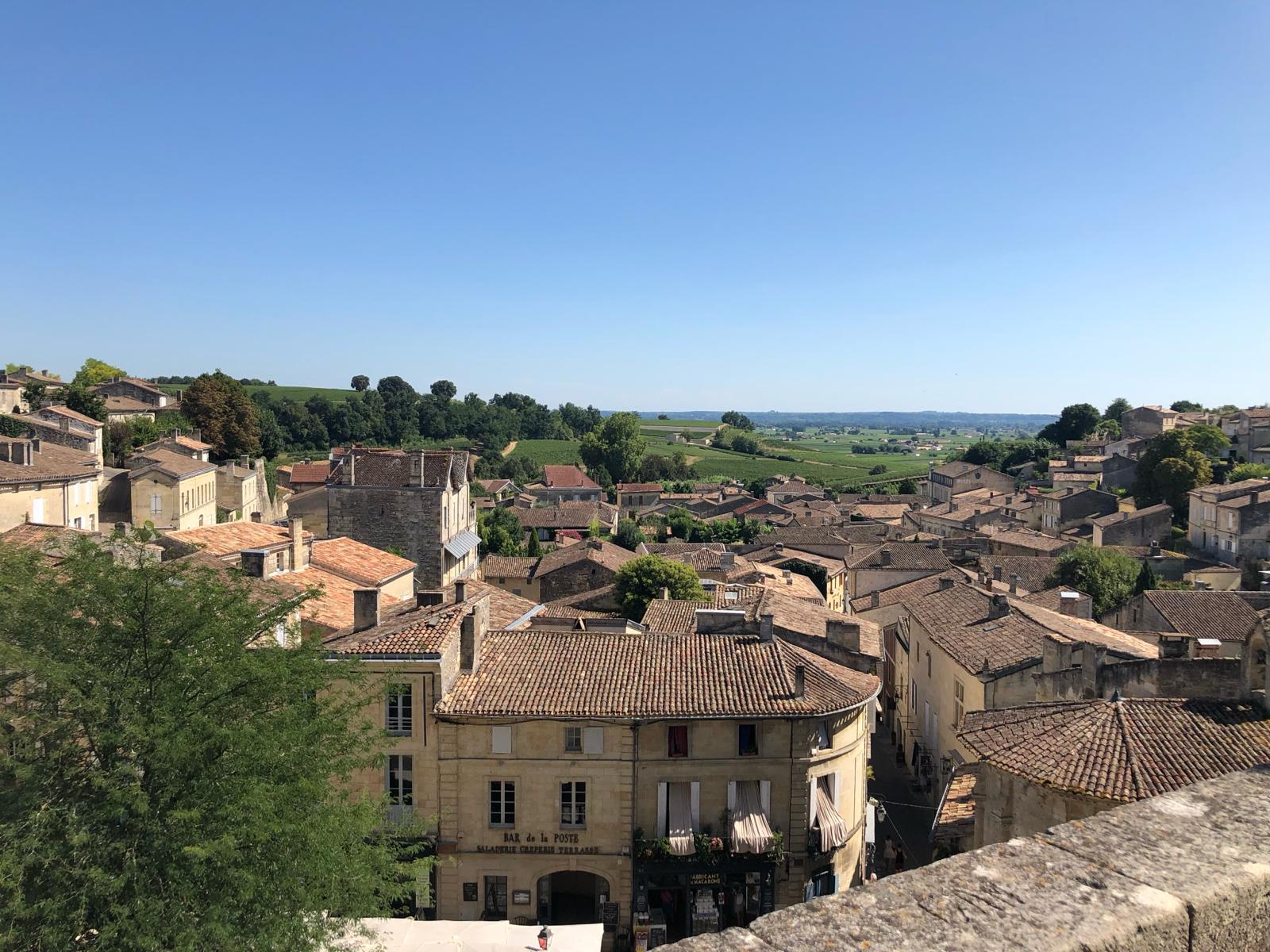
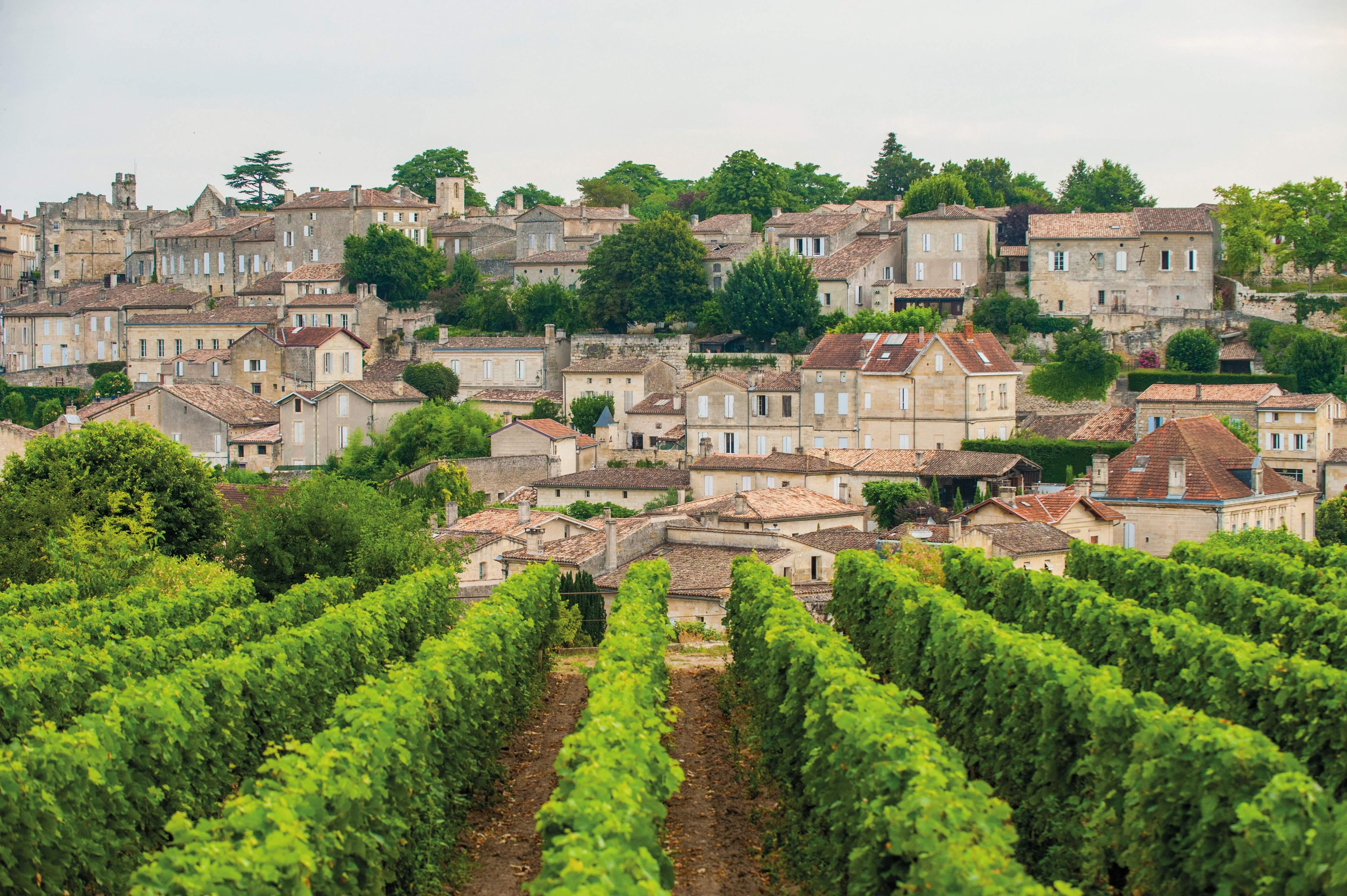
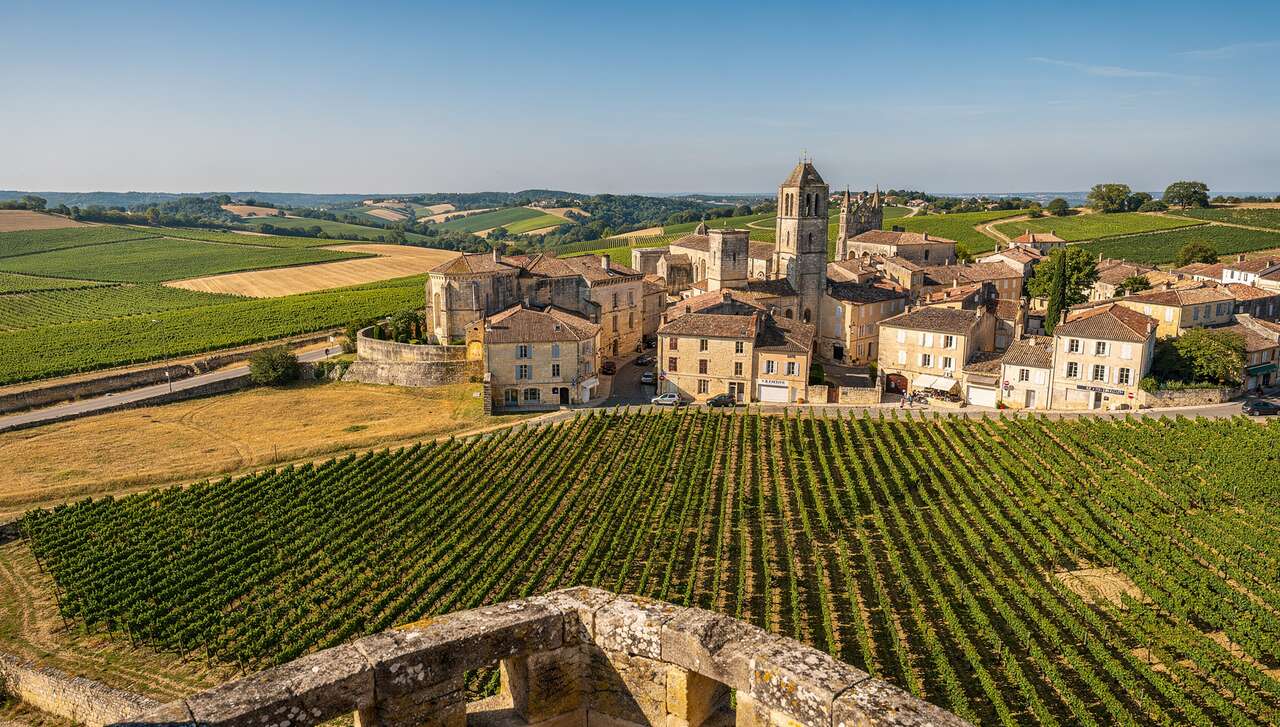
Saint-Émilion village opens after lunch. You walk cobbled lanes between honey-colored façades, pausing at the belltower overlook where the entire appellation spreads below — château rooftops, rows of vines, the Dordogne winding east. The tour concludes at a family property on the plain, where you sample Grand Cru releases in a nineteenth-century tasting room before the return drive to Bordeaux at dusk.
All the details about your upcoming adventure in one place
Saint-Émilion's 800 hectares of vines produce wine on the same limestone slopes where Roman legions planted cuttings in the fourth century. The appellation earned UNESCO World Heritage designation in 1999, the first viticultural landscape to receive that recognition.
Eight villages and 67 Grand Cru Classé estates operate within a jurisdiction smaller than Paris's seventh arrondissement.
The medieval village sits at the intersection of three geological zones. Limestone plateau vineyards occupy the highest ground, where Château Ausone and Pavie anchor their roots in calcium-rich bedrock. The côtes drop steeply toward the Dordogne, terraced parcels facing south and southwest. Graves soils spread across the plain below, alluvial deposits left by ancient river channels. Each zone yields distinct tannin structures, and blending across terroirs defines Saint-Émilion's signature merlot-dominant profiles.
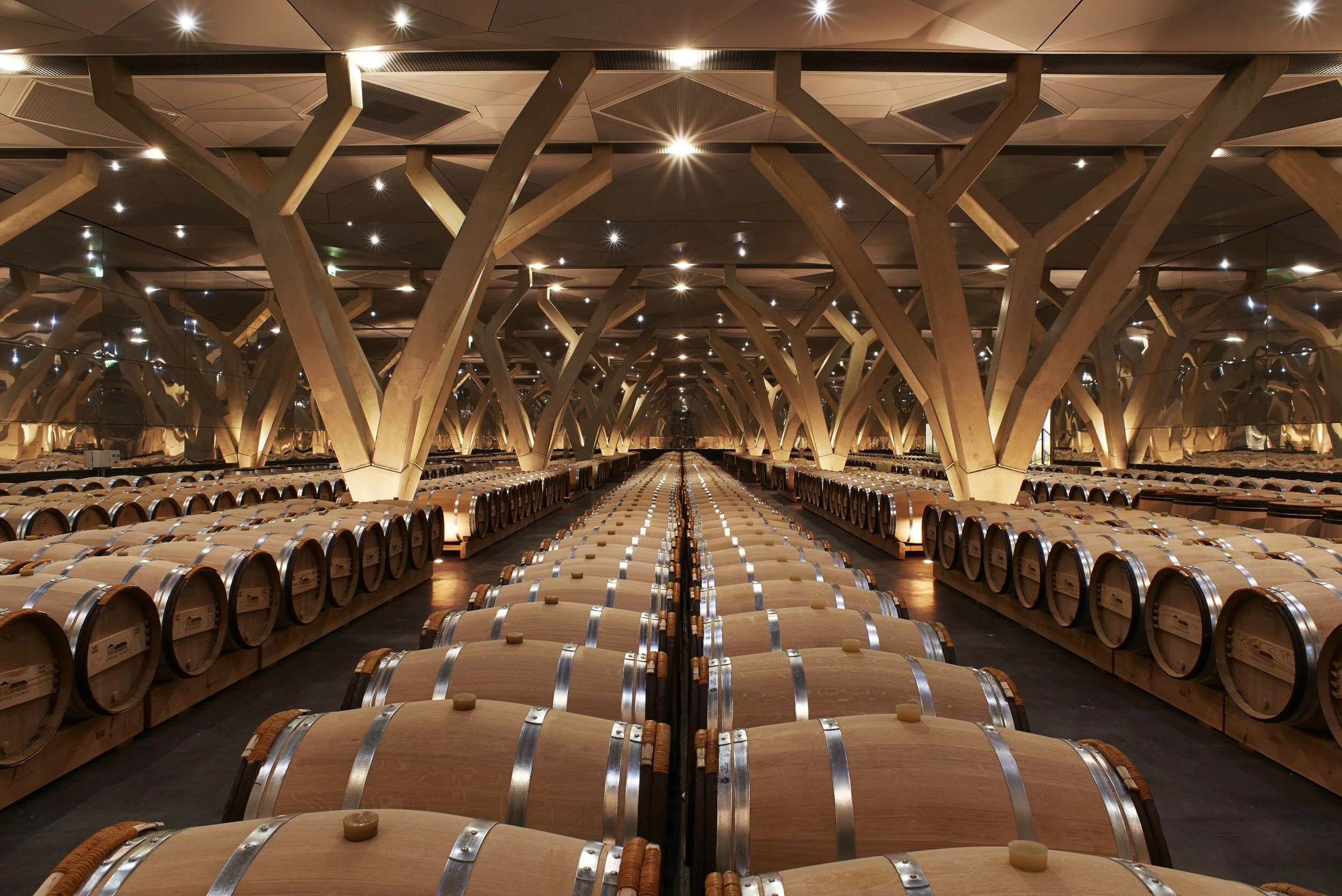
Full day saint emilion wine tour itineraries depart Bordeaux in the morning, crossing the Garonne to reach the Right Bank appellation within 45 minutes. Most routes pair Saint-Émilion with a second appellation — Margaux on the Médoc peninsula, or Pomerol just north. Tastings take place in family-operated châteaux, where winemakers pour from barrel and bottle in vaulted cellars carved from the same limestone that feeds the vines above. Production scale ranges from 5,000-case boutique estates to 50,000-case classified growths.
The village itself preserves Romanesque architecture within ramparts raised in the thirteenth century. Monolithic Church, excavated from solid rock between the ninth and twelfth centuries, anchors the lower town. Rue de la Cadène and Rue Guadet climb past half-timbered merchant houses to the plateau overlook, where the bell tower offers a 360-degree sweep of the appellation. Village access remains free year-round; guided monument visits require separate tickets through the tourist office at Place des Créneaux. The office opens daily from 10:30 to 12:30 and 14:00 to 17:00, coordinating tours that descend into the catacombs and hermitage carved beneath the streets.
The first viticultural landscape to earn UNESCO World Heritage recognition, Saint-Émilion's 800 hectares balance medieval preservation with living production.
Wear comfortable walking shoes with good grip for uneven medieval cobblestones. Layers are recommended for visiting Saint-Émilion vineyards and cool underground cellars.
Small daypacks are recommended as large luggage is difficult to navigate in narrow village streets. Security screening may occur at specific monuments during a saint emilion wine tour full day.
Photography is permitted in the village and vineyards, though flash is prohibited inside the underground monolithic monuments. Respect private property when capturing images near Saint-Émilion châteaux.
Families are welcome, but note that the saint emilion wine tour full day terrain is physically demanding for strollers. Child-friendly options are available through the tourist office.
Due to the historic nature of Saint-Émilion, many streets are steep and uneven. Some underground sites are not fully accessible to those with limited mobility; consult the office for specific saint emilion wine tour full day adjustments.
Picnics are allowed in public designated areas, but consume them away from the saint emilion wine tour full day monument entrances. Tap water is available in the village.
Opening hours
10:30–12:30, 14:00–17:00
Address
Place des Créneaux, 33330 Saint-Émilion, France
Visitor access
Village access is free; fees apply for specific monuments and tours.
Best arrival window
10:30–12:30 — Avoid mid-day heat and large afternoon tour groups in the narrow village streets.
Storage
Not available at the tourist office; consider station lockers.
Official site
https://www.saint-emilion-tourisme.com
Train · 45 minutes · 5–22 EUR
Take the TER train from Bordeaux Saint-Jean to Saint-Émilion station.
Car · N/A · Varies
Park at Espace Guadet or Place Bouqueyre and walk to the village center.
Full refunds are typically available up to 24 hours before your saint emilion wine tour full day start time. Please check your specific voucher terms, as the 0 EUR entrance fee only applies to village access and not to booked excursions.
Recommended time
Full day
To experience a comprehensive saint emilion wine tour full day, allocate time for both the underground monolithic monuments and surrounding vineyard estates. While independent travelers can manage village navigation quickly, guided excursions often require extra hours for transit between châteaux. Expect higher crowd density during afternoon peak hours when group coaches arrive, potentially impacting access to popular cellars or tasting rooms.
Crowd levels through the day
Weather · crowds · average price — dots go green to amber to red as each metric rises.
May and June offer temperate weather and blooming vineyards, ideal for a full day of walking.
July and August are very busy with high temperatures; early morning is essential.
September and October bring the vibrant harvest season and cooler air.
November to March is quiet with lower prices, though some châteaux have reduced hours.
Reserve your saint emilion wine tour full day at least a month in advance during harvest.
Staying overnight allows you to enjoy the village after day-trippers leave.
Utilize PayByPhone for easier parking management near the village center.
Visit the tourist office upon arrival to get a current list of open châteaux.
Knowing basic French etiquette enhances your interaction at family-owned estates.
Place des Créneaux, 33330 Saint-Émilion
Standard meeting point for most tours
Get directionsRoman legions planted the first vines on Saint-Émilion's limestone slopes during the second century, recognizing the plateau's natural drainage and south-facing exposure. The settlement took its name from Émilion, a Breton monk who carved hermitage cells into the hillside around 750 and attracted a community of Benedictine followers. By the twelfth century, the monastic order had formalized viticulture across the jurisdiction, establishing wine production as the region's economic foundation. English control from 1154 to 1453 opened direct export routes to London, and Saint-Émilion red became a staple of northern European tables. The French Revolution fractured the Church's vast holdings into smaller family parcels, a redistribution that defined the modern appellation's structure. Napoleon III's 1855 classification excluded Saint-Émilion entirely, a slight that pushed growers to develop their own quality standards. The Saint-Émilion syndicate introduced its first official ranking in 1955, with Premier Grand Cru Classé A reserved for estates demonstrating exceptional terroir expression. Phylloxera had devastated the vineyards seventy years earlier, forcing replanting on American rootstock and eliminating weaker producers. The replanting also allowed vignerons to refine varietal selection, cementing Merlot's dominance alongside Cabernet Franc. UNESCO inscribed the jurisdiction as a World Heritage site in 1999, citing the uninterrupted viticultural landscape and its medieval urban core. That designation transformed visitor access, with the saint emilion wine tour full day model emerging to accommodate international demand. The classification system remains contentious—Château Ausone and Château Cheval Blanc anchor the A tier, but legal challenges in 2006 and 2012 forced reclassification reviews and exposed tensions between tradition and market pressure. Today's touring infrastructure balances heritage preservation with commercial viticulture, as limestone cellars, Romanesque chapels, and underground catacombs now serve dual roles as working wine facilities and cultural monuments accessible through structured saint emilion wine tour full day tours.
Roman legions establish the first vineyards on the limestone plateau, exploiting natural drainage for Vitis vinifera cultivation.
Émilion, a Breton monk, settles in the hillside caves and founds a hermitage that becomes the nucleus of the medieval village.
English Plantagenet rule opens export channels to northern Europe, making Saint-Émilion wine a staple of London and Flemish markets.
The Revolution dissolves monastic estates, redistributing Church vineyards into the small family holdings that define the modern appellation structure.
Phylloxera obliterates native vines; replanting on American rootstock allows varietal refinement and the shift toward Merlot dominance.
The Syndicat Viticole introduces the first Saint-Émilion classification, establishing Premier Grand Cru Classé A and B tiers independent of the 1855 Médoc system.
UNESCO designates the jurisdiction a World Heritage site, citing the unbroken viticultural landscape and its Romanesque urban core.
Legal disputes force a reclassification review, exposing tensions between heritage designation and competitive estate rankings.
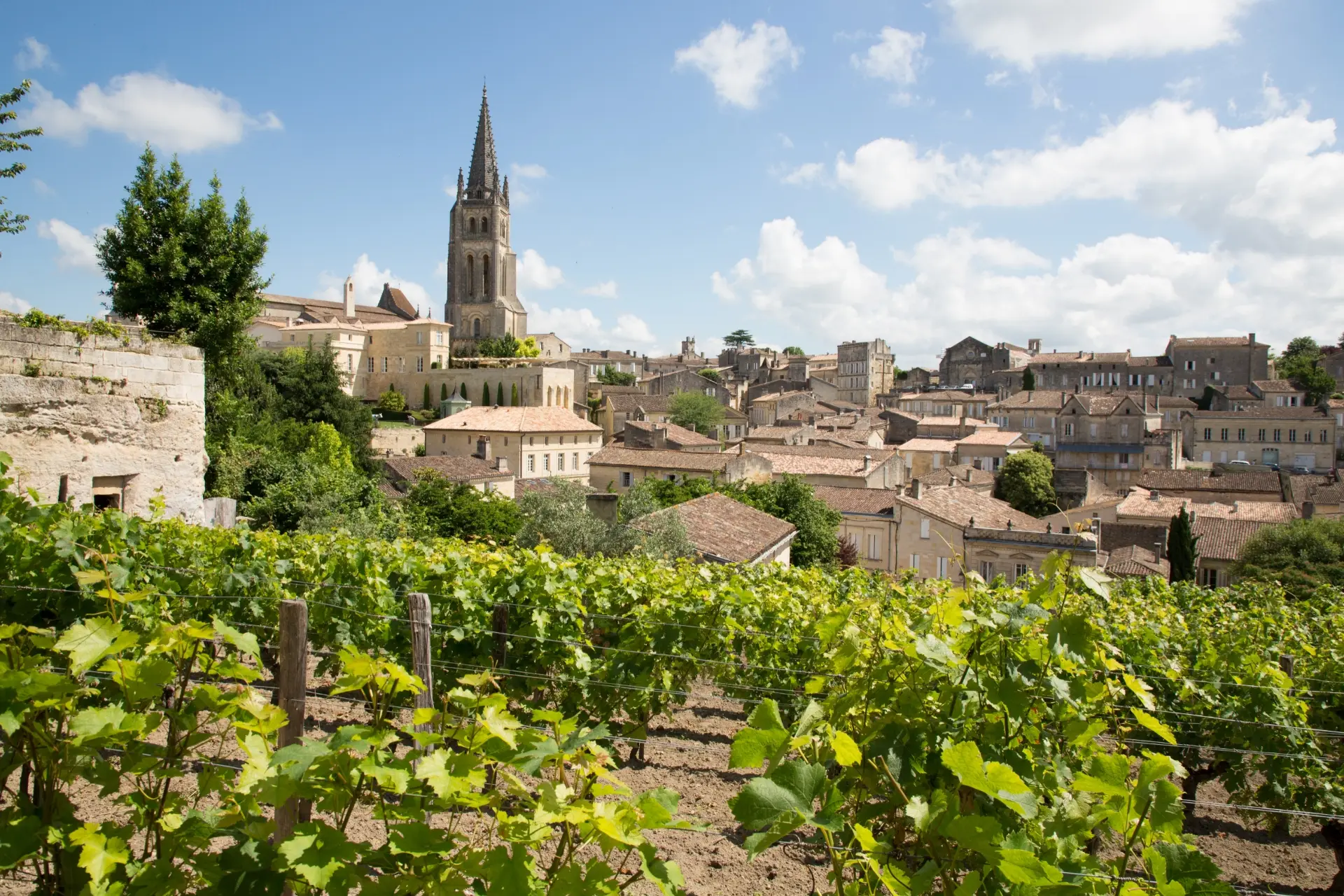
Climb the medieval keep for a 360-degree perspective of the village rooftops and surrounding limestone plateau. Stand at the upper parapet to frame the spire of the Monolithic Church against the rolling landscape during your saint emilion wine tour full day.
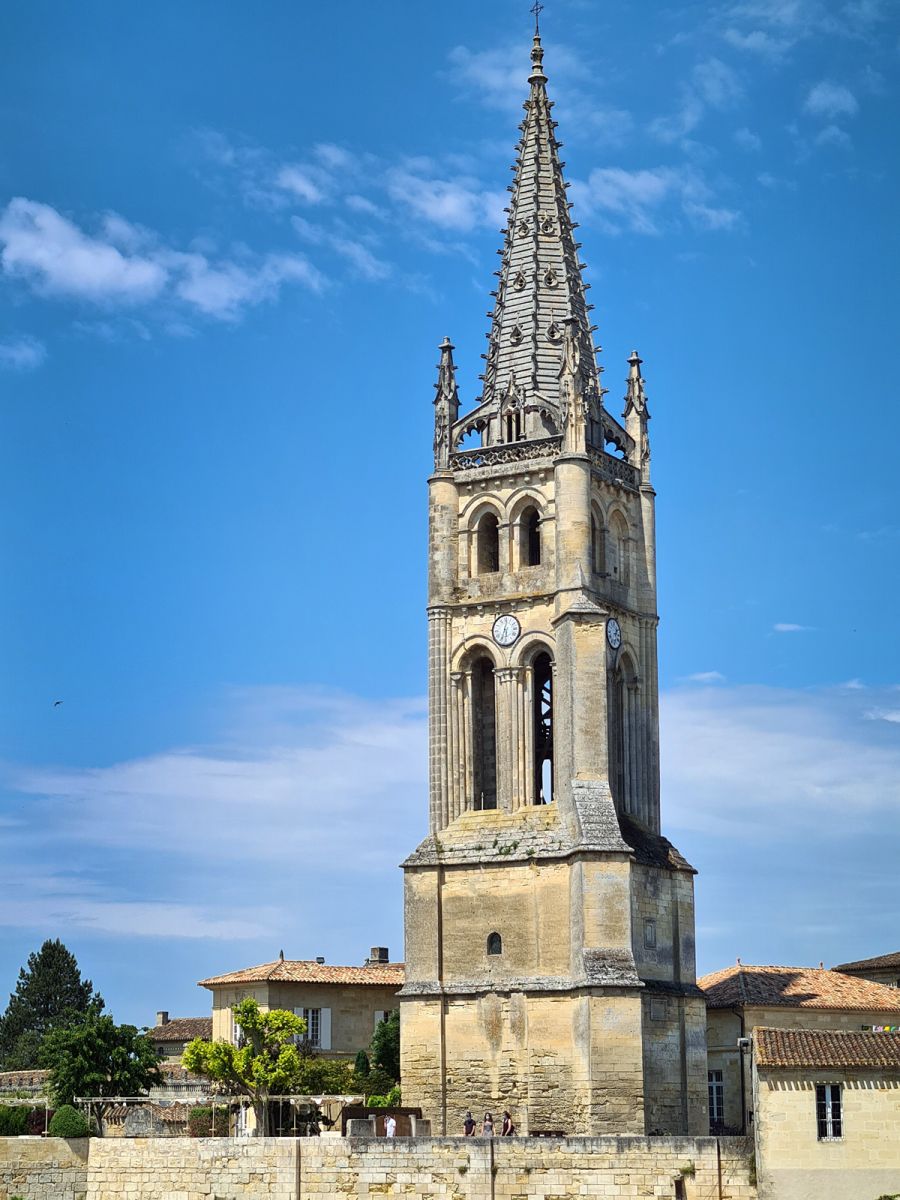
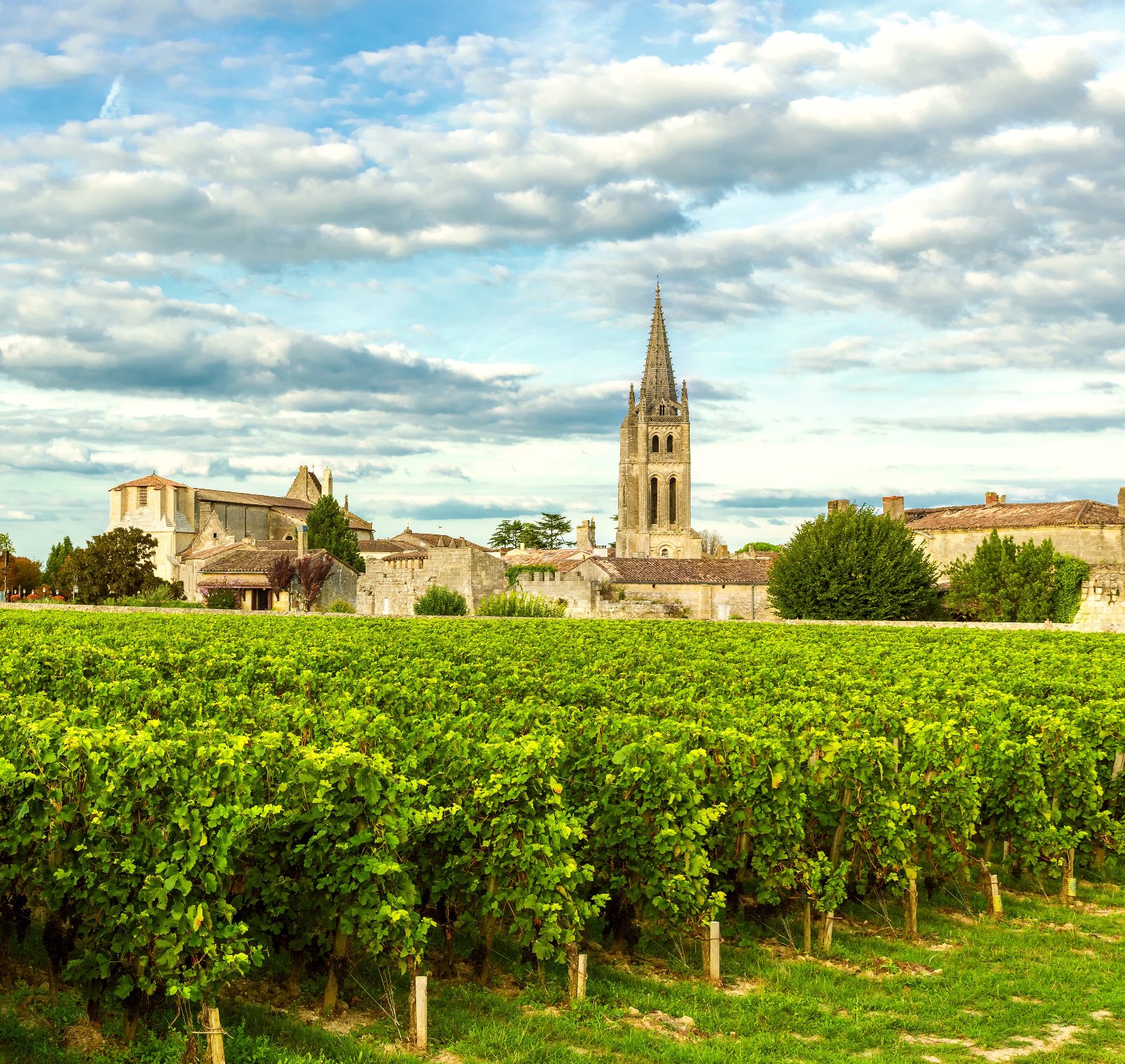
Position your camera at the edge of this square to capture the bell tower rising above the ancient stone facades. This spot is essential for those seeking a saint emilion wine tour full day tour perspective of the town's architectural character.
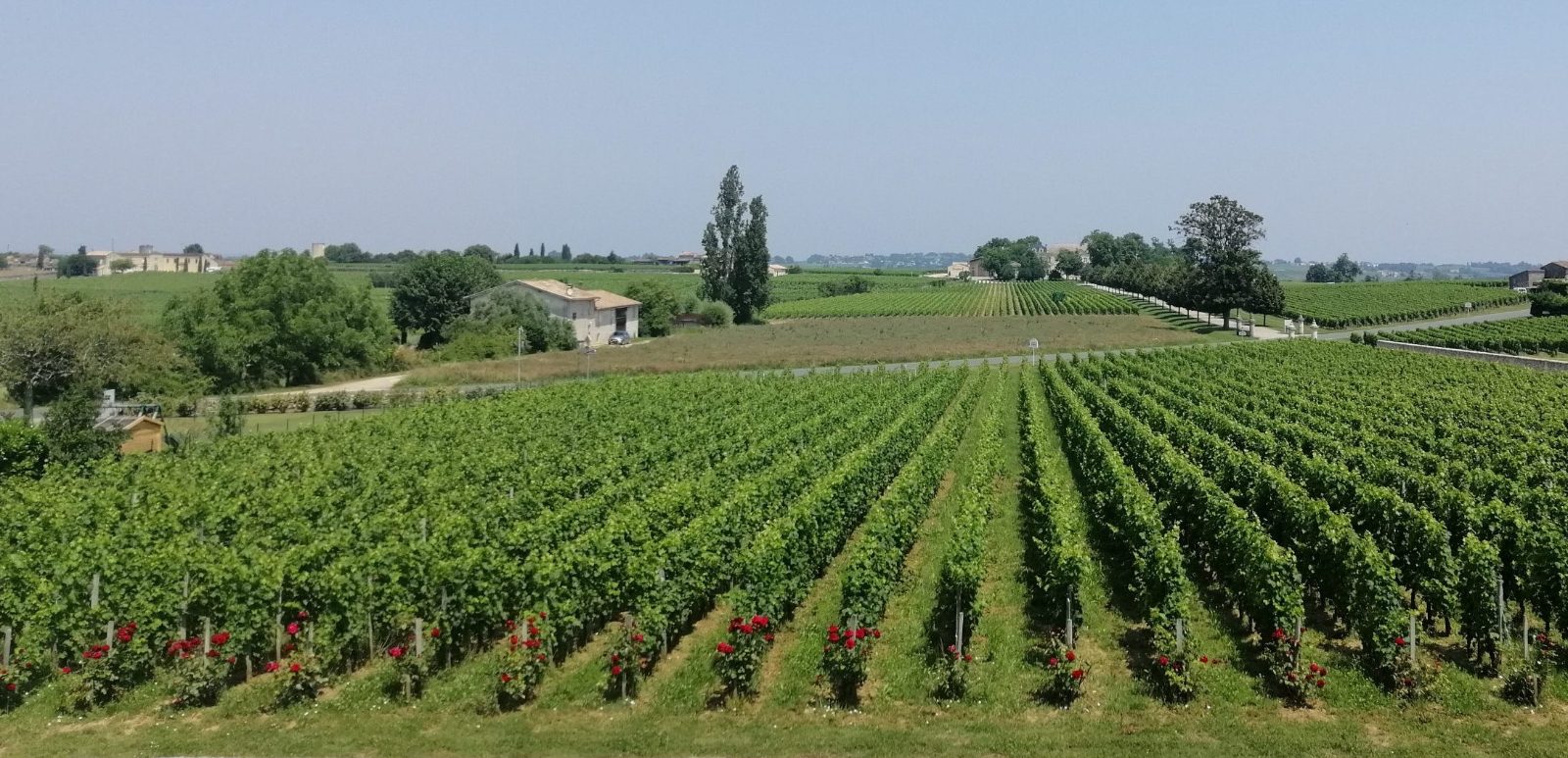
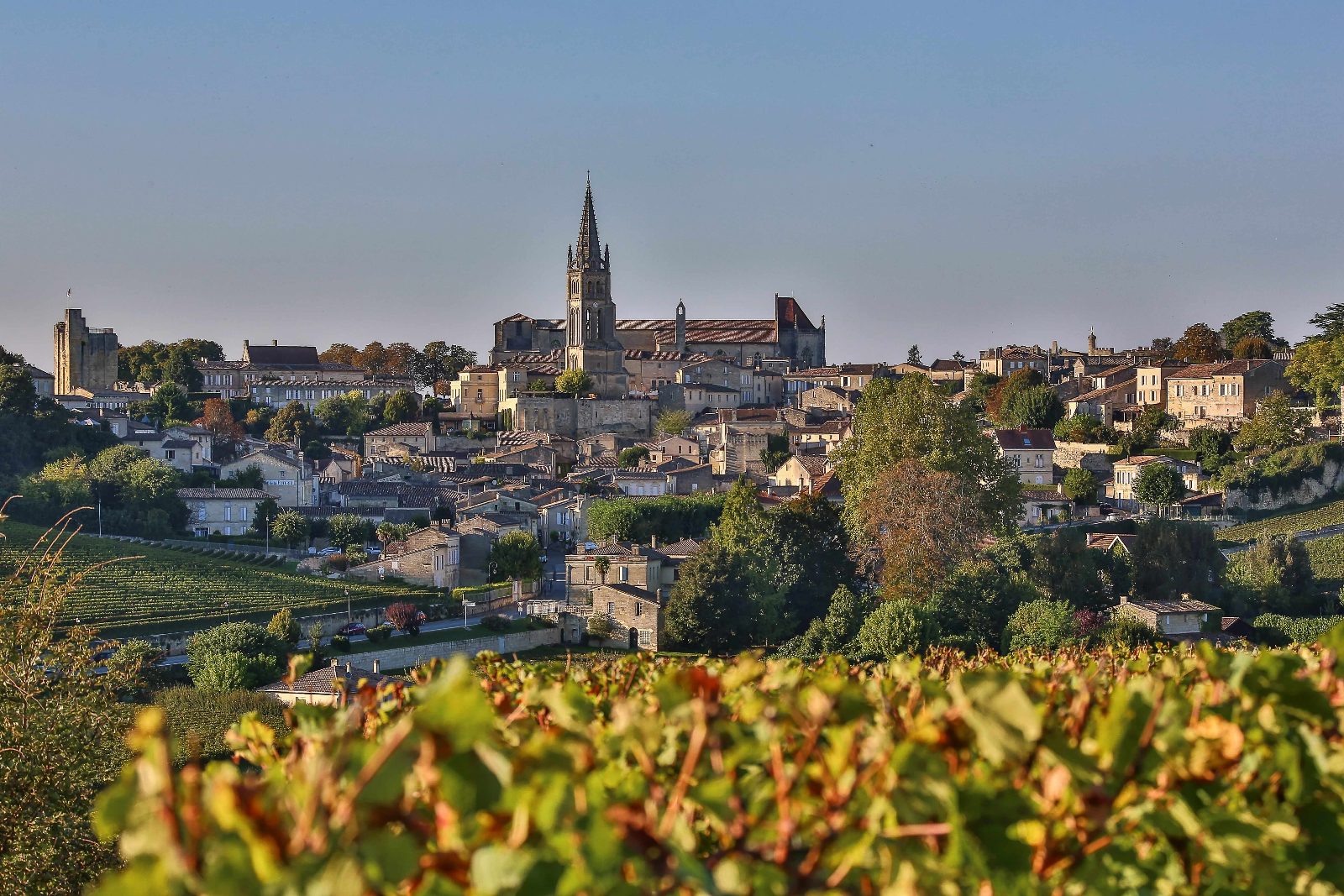
Walk along the paths bordering these historic châteaux to photograph the limestone soil and orderly vine rows. This location offers a classic Saint-Émilion vineyards panorama for travelers utilizing saint emilion wine tour full day tickets.
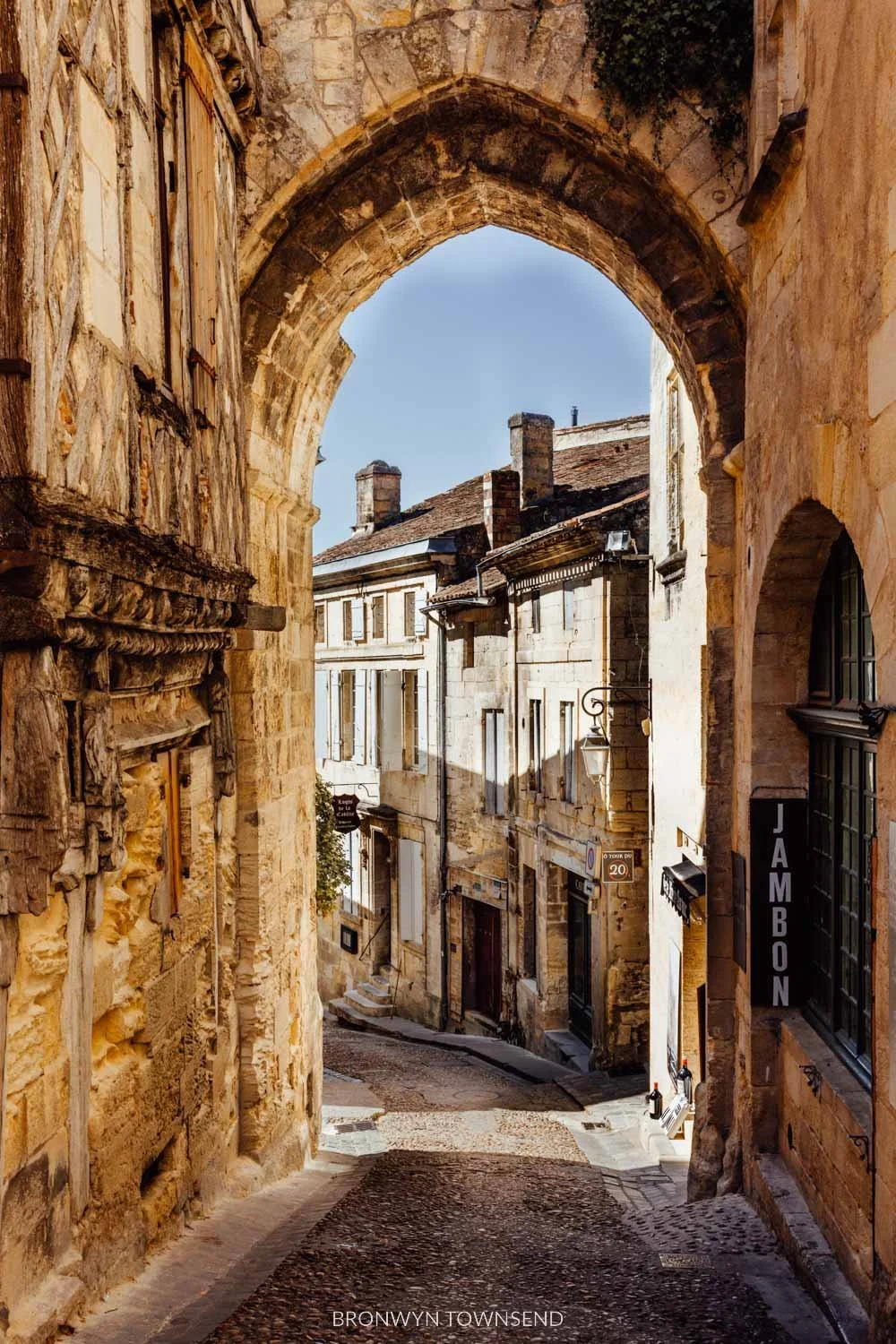
Frame the narrow medieval archway looking down the cobbled incline toward the village center. This passage provides a moody composition often featured in professional Saint-Émilion village landmarks photography.
Exploring the medieval village and surrounding vineyards on a saint emilion wine tour full day requires planning for uneven terrain. Navigating this UNESCO heritage landscape with children is manageable when prioritizing the right accessibility strategies for a Saint-Émilion wine tour full day tour.
The village streets are paved with cobblestones and feature steep inclines, making a lightweight, all-terrain stroller or a baby carrier essential for your saint emilion wine tour full day tours. Avoid large, rigid prams that may struggle with the narrow, medieval passageways found throughout the village.
Finding a meal during your saint emilion wine tour full day is simple, as the medieval village offers numerous culinary options ranging from casual bistros to refined dining. Visitors on a saint emilion wine tour full day tour often prefer the intimate terraces near the monolithic church, while those seeking Saint-Émilion vineyard gastronomy can find historic establishments within a short walk.
Located near the collegiate church, this spot is perfect for pairing local vintage pours with seasonal plates. It is popular for lunch, so arrive early to secure a table for your saint emilion wine tour full day tickets.
Everything you need to know for your journey
The tourist office is open Monday to Sunday from 10:30–12:30 and 14:00–17:00. These hours apply to general inquiries regarding your saint emilion wine tour full day.
Yes, families are welcome, though the terrain is hilly and can be difficult for strollers during a saint emilion wine tour full day.
While some tours are available, it is highly recommended to book your saint emilion wine tour full day tickets online in advance to ensure availability.
Small bags are permitted, but space is limited inside underground sites visited during your saint emilion wine tour full day.
For a saint emilion wine tour full day, arrive between 10:30–12:30 to avoid mid-day heat and large crowds.
Comfortable walking shoes are essential for a saint emilion wine tour full day; casual attire is standard for vineyard visits.
Lunch is generally not included in a saint emilion wine tour full day, but you will have time to eat in the village.
You can arrive by train from Bordeaux; the tourist office is located at Place des Créneaux for your saint emilion wine tour full day.
Yes, you can usually cancel your saint emilion wine tour full day up to 24 hours before the activity for a refund.
Largest underground rock-hewn church in Europe.
Medieval defensive tower with village views.
Historic ruins and sparkling wine garden.
Central historic hub of the medieval village.
Historic boutique stay in the heart of town.
Reliable comfort near the station and village edge.
Various local bed and breakfasts throughout the village.
Join thousands of happy travelers who have discovered this incredible experience
Book Your Experience Now