4 hr 30 min
Saint-Émilion Wine Tour with Tasting & Aperitif
- Entry ticket
- Mobile voucher
- Valid same day
- Free cancellation
Saint Emilion Wine Tour — Vineyard Visits & Grand Cru Tastings
Limestone cellars and terraced vines, where Merlot meets medieval stone
Compare fares, pick the fit — all bookings are mobile-voucher and eligible for free cancellation where shown.
4 hr 30 min
1 hr
1 hr
| Experience | Duration | Rating | Guide | Small group | Free cancel. | Price | |
|---|---|---|---|---|---|---|---|
|
Standard Entry
Most popular
Saint-Émilion Wine Tour with Tasting & Aperitif
|
4 hr 30 min | ★ 4.8 | ✓ | ✓ | ✓ | €85 | Book → |
|
Standard Entry
Saint-Émilion Winery Tour with Grand Cru Tasting
|
1 hr | ★ 4.6 | ✓ | — | ✓ | €20 | Book → |
|
Standard Entry
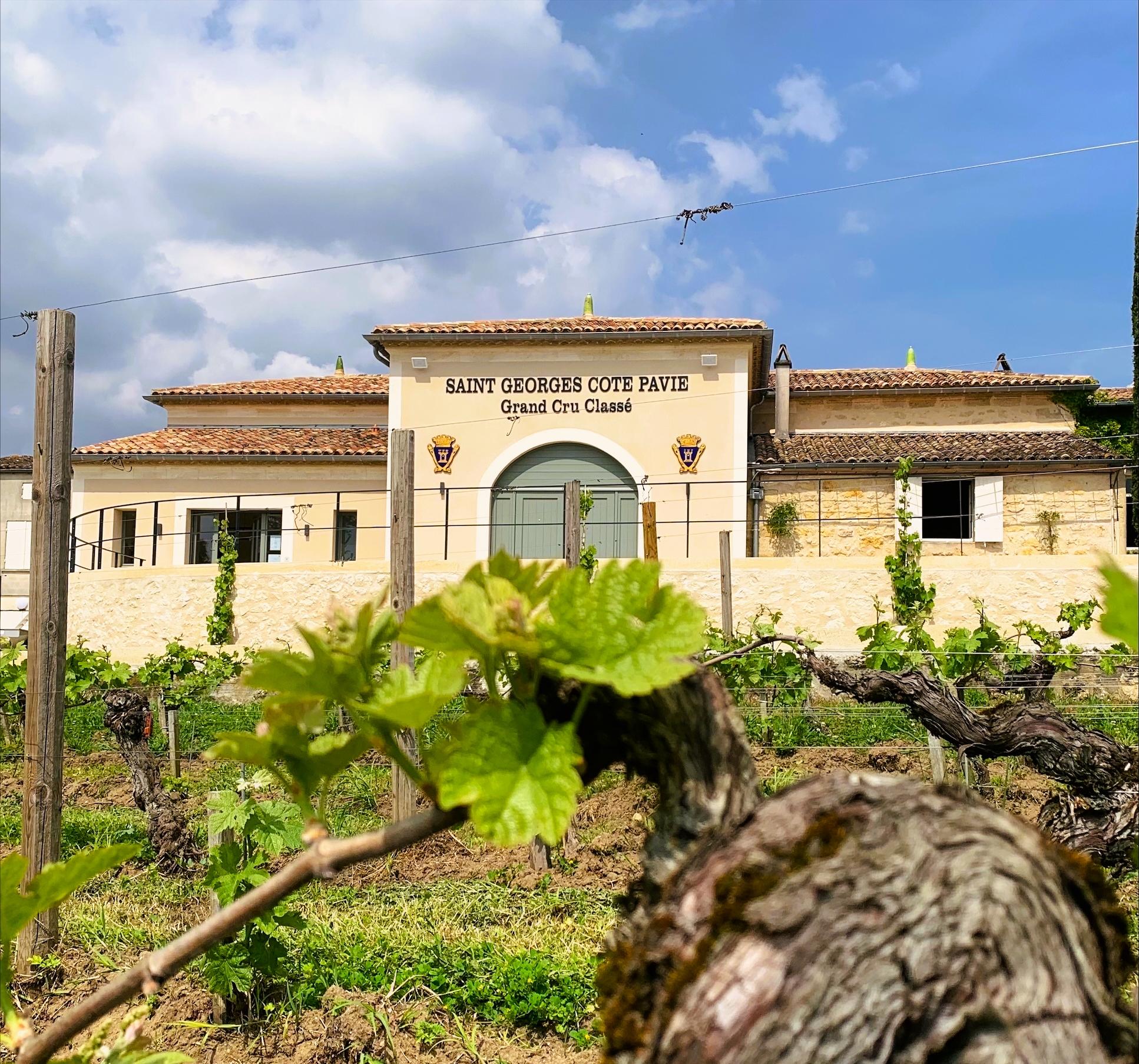
Bordeaux Wine Experience at Château Saint-Georges
|
1 hr | ★ 4.8 | — | ✓ | ✓ | €18 | Book → |
They complement each other; most visitors who do both call the Médoc more thrilling for its grand estates, while the Saint Emilion wine tour provides a more intimate, village-centered experience. Whether you seek the prestige of classified growths or the charm of UNESCO heritage landmarks, selecting the right Bordeaux region depends on your preference for terroir and historical atmosphere.
|
Top pick Saint-Émilion |
Médoc | |
|---|---|---|
| Primary Grape Varietal | Merlot | Cabernet Sauvignon |
| Landscape Characteristics | Rolling limestone hills | Flat gravel plains |
| Château Architectural Style | Medieval village limestone | Neoclassical grand estates |
| Proximity to Bordeaux City | 45 minutes | 60 minutes |
| Typical Vibe | Cozy and historic | Regal and expansive |
| See tickets & prices |
Verdict: Choose Saint Emilion wine tour tours for a walkable medieval experience, or opt for the Médoc if you prefer exploring the famous châteaux road on your saint emilion wine tour tour before booking your saint emilion wine tour tickets for a separate day.
Hand-picked experiences loved by thousands of travelers
9 hours
Free Cancellation
Discover two celebrated wine regions with château visits, expert-led tastings, and a gourmet picnic lunch
4.5 hours
Free Cancellation
Half-day expedition to renowned wine village with grand cru tastings and vineyard exploration
2 hours
Free Cancellation
Explore a fourth-generation estate in Saint-Émilion with the owners, walking vines and sampling Grand Cru wines
75 minutes
Free Cancellation
Meet four generations of winemakers at a historic Saint-Émilion estate and taste Grand Cru wines.
7 hours
Free Cancellation
Explore UNESCO-listed medieval Saint-Émilion with château visits, tastings, and a vineyard picnic
5 to 5.5 hours
Free Cancellation
Explore a medieval UNESCO village and savor wines at two distinct estates in Bordeaux's renowned region
This 12th-century structure is carved entirely out of limestone, reaching deep underground. It remains the largest monolithic church in Europe.
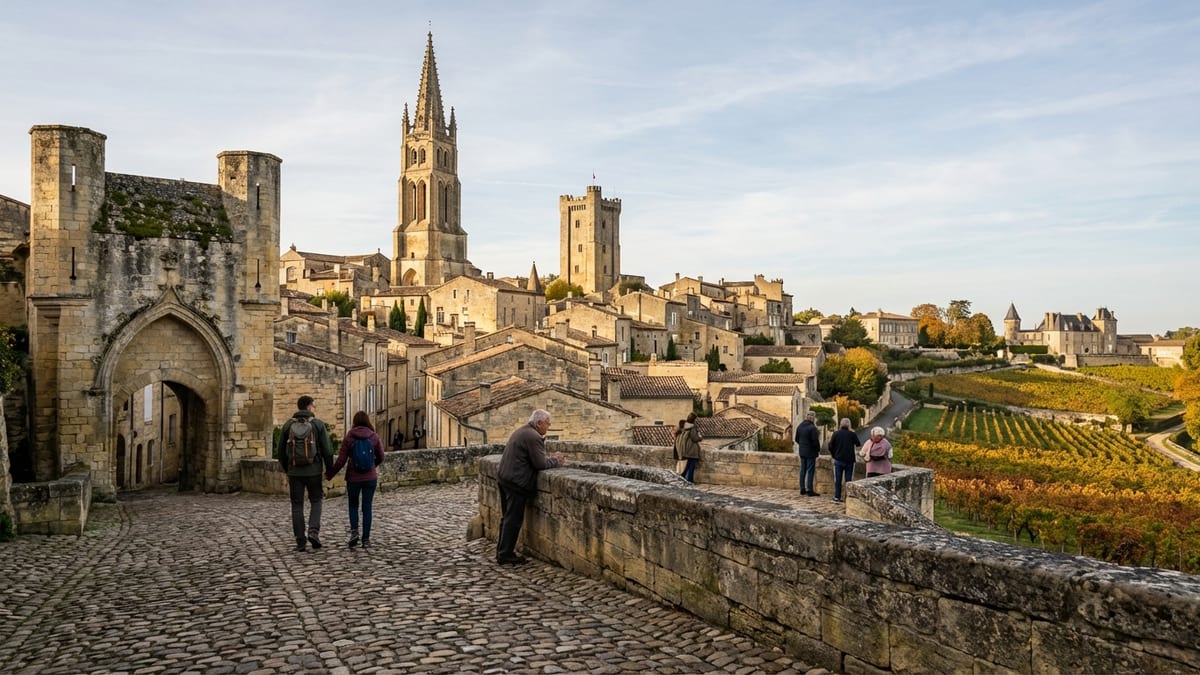
Constructed in the 13th century, this Romanesque keep is the only one of its kind remaining in the Gironde department. It stands as a symbol of the village's medieval strength.
Visit the original cave where the monk Emilion lived in the 8th century. It features a unique stone bed and remnants of medieval religious devotion.
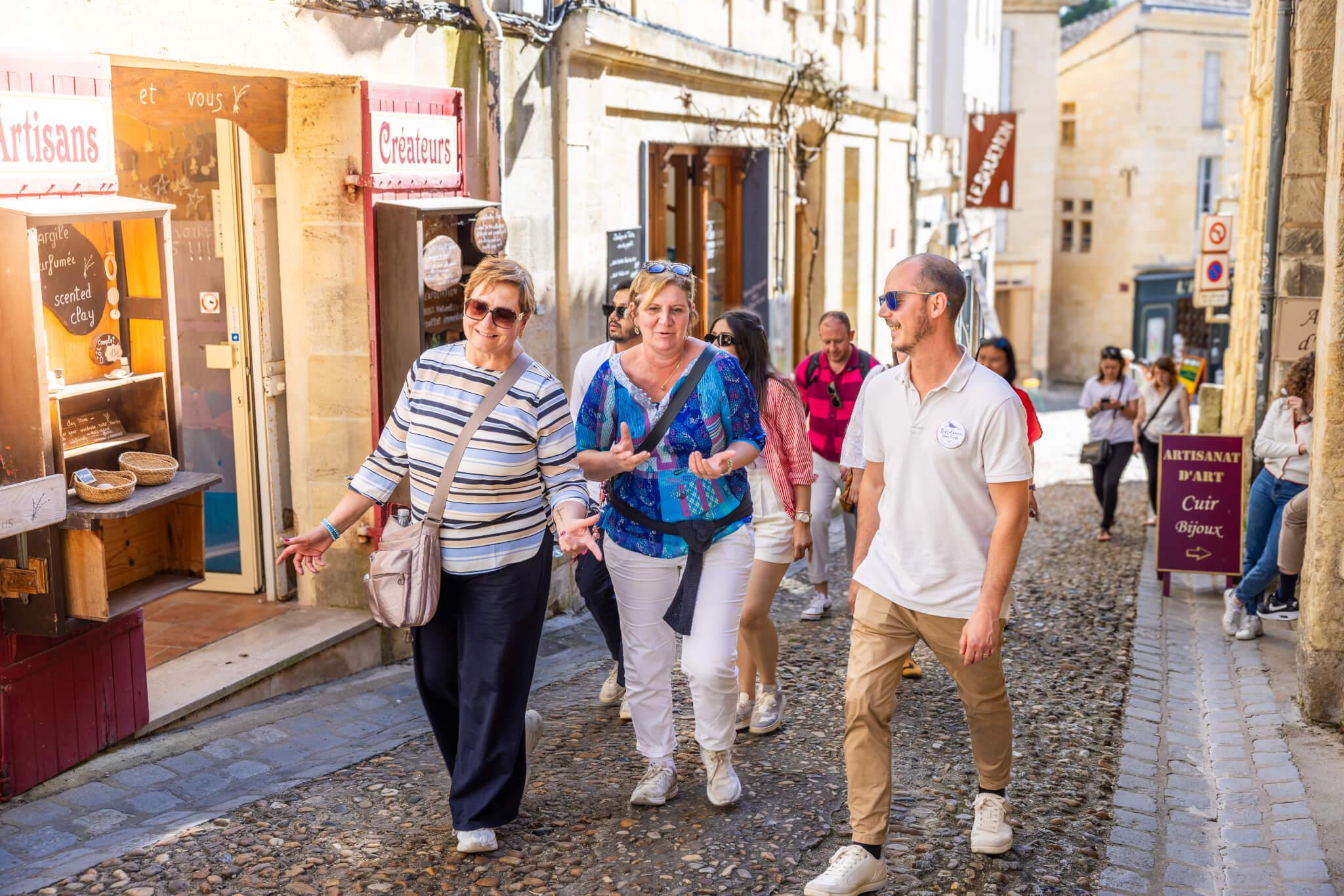
The historic village is paved with ballast stones once brought by British ships. These stones are a tangible link to the centuries-old wine trade between England and the region.
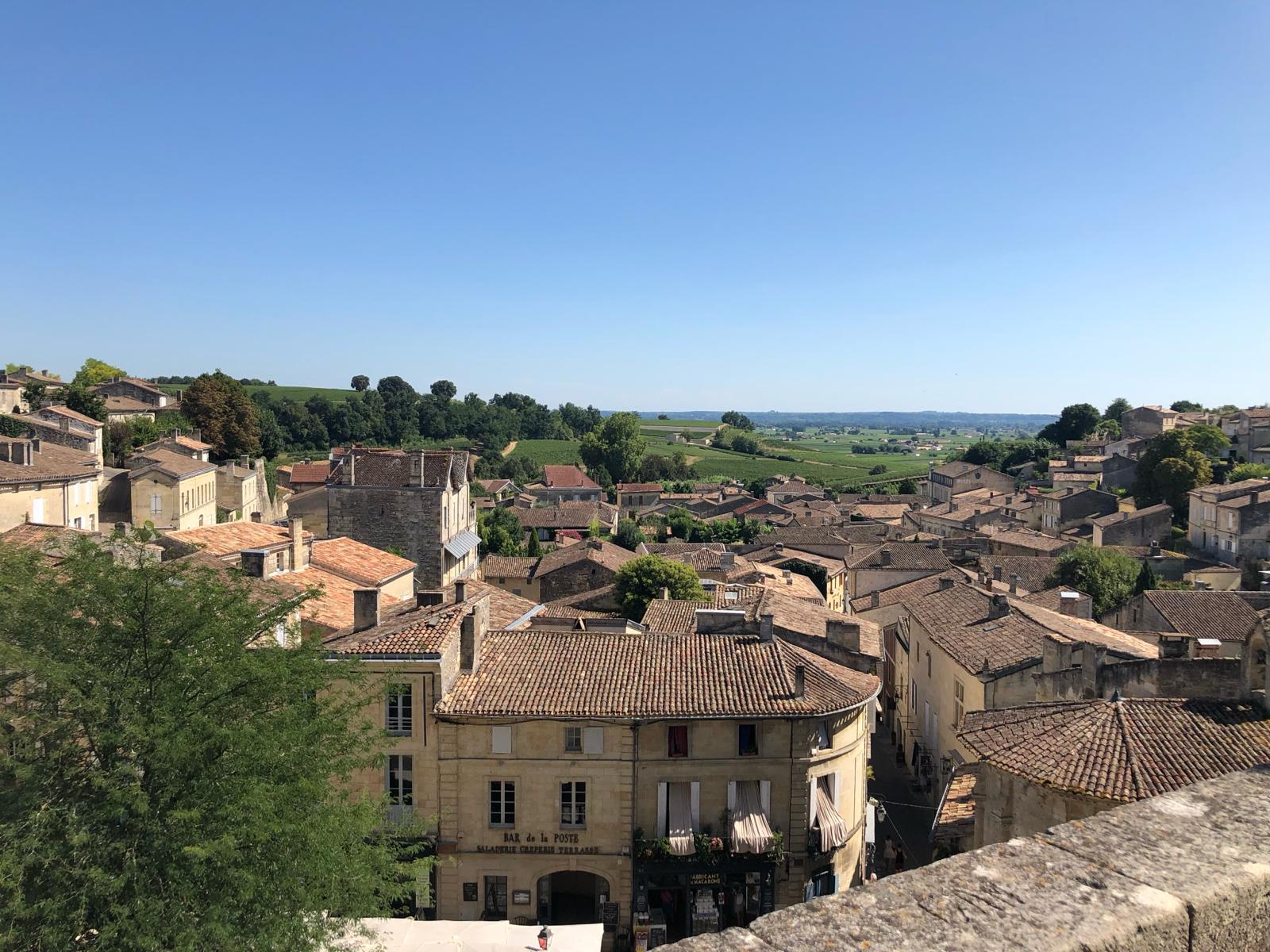
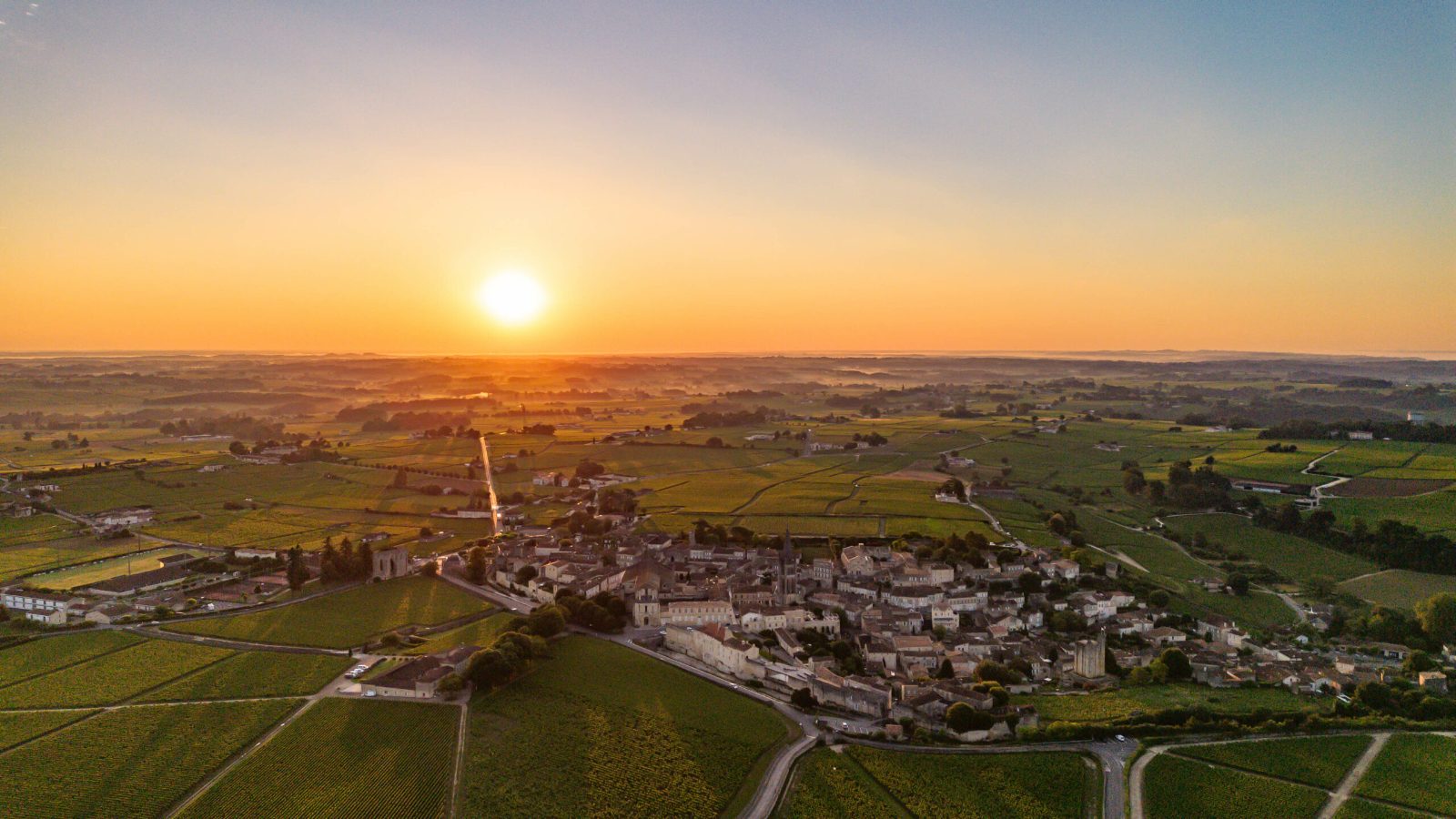
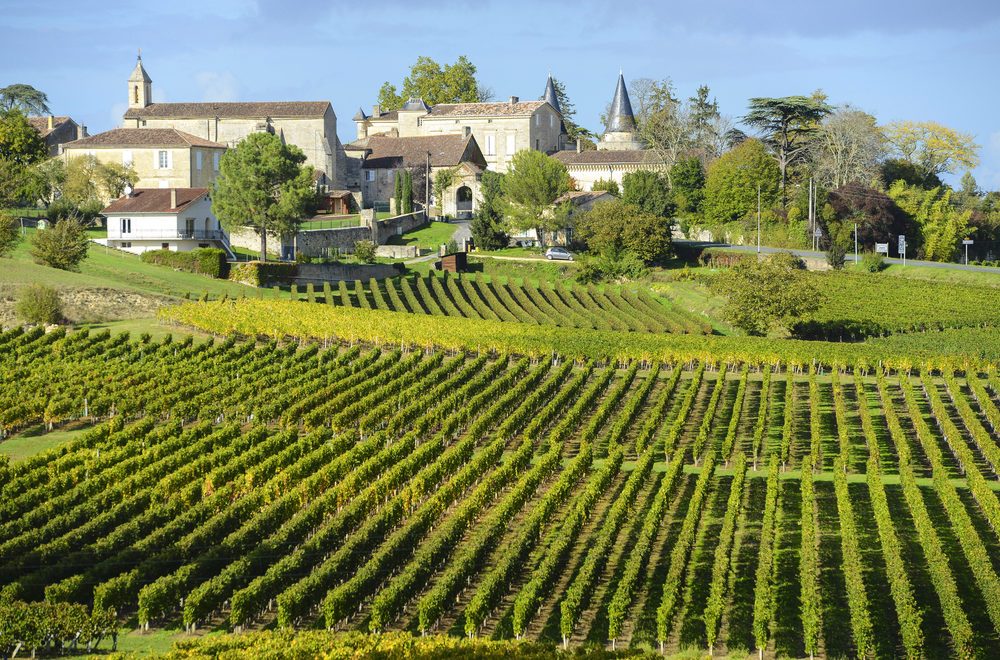
The surrounding hills provide an iconic view of terraced vines that have shaped the local economy for over a millennium. These landscapes were the first to receive UNESCO World Heritage status.
You arrive at Place des Créneaux by 10:00, collecting maps and confirmed booking vouchers from the tourist office before the first shuttle departs for outlying estates.
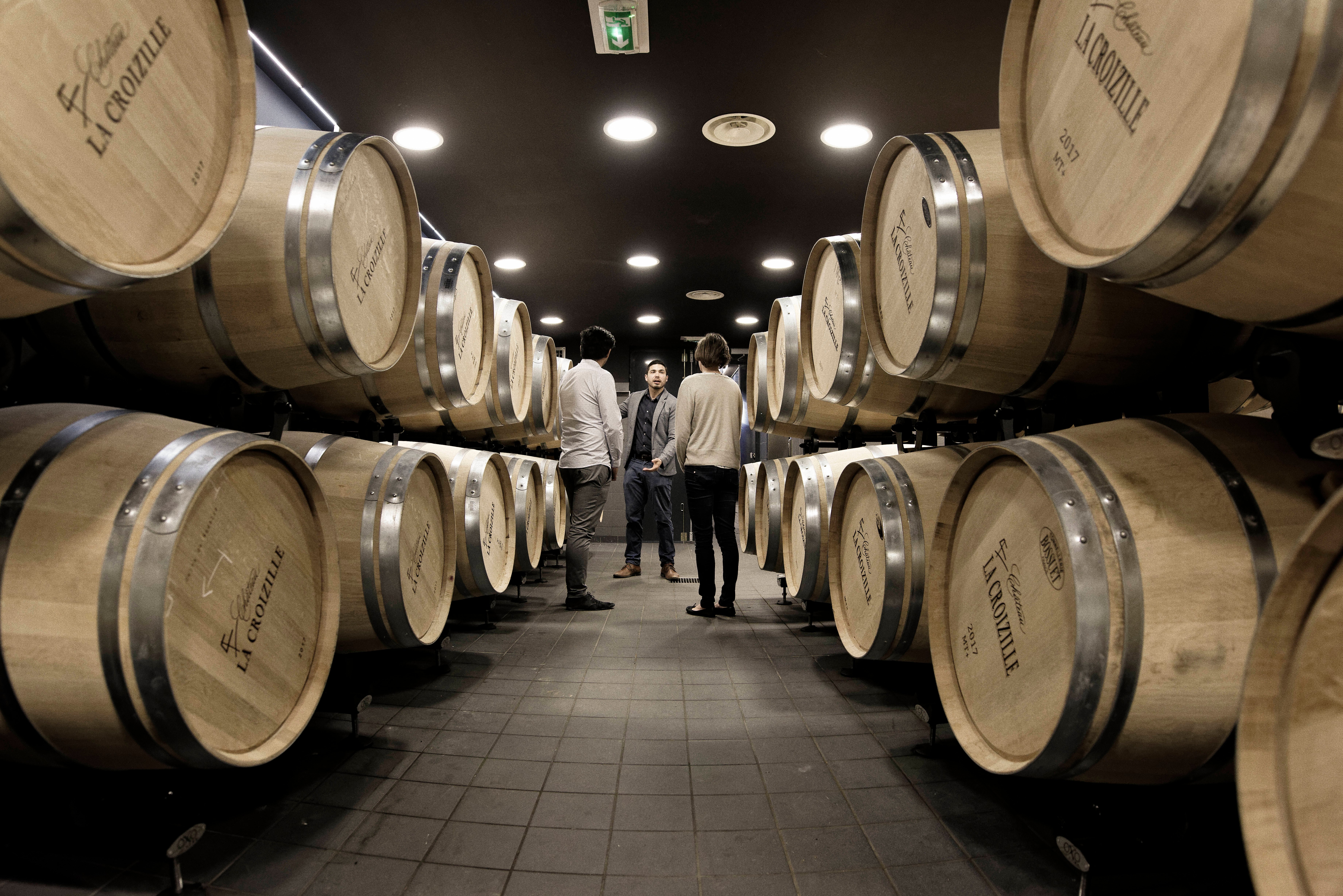
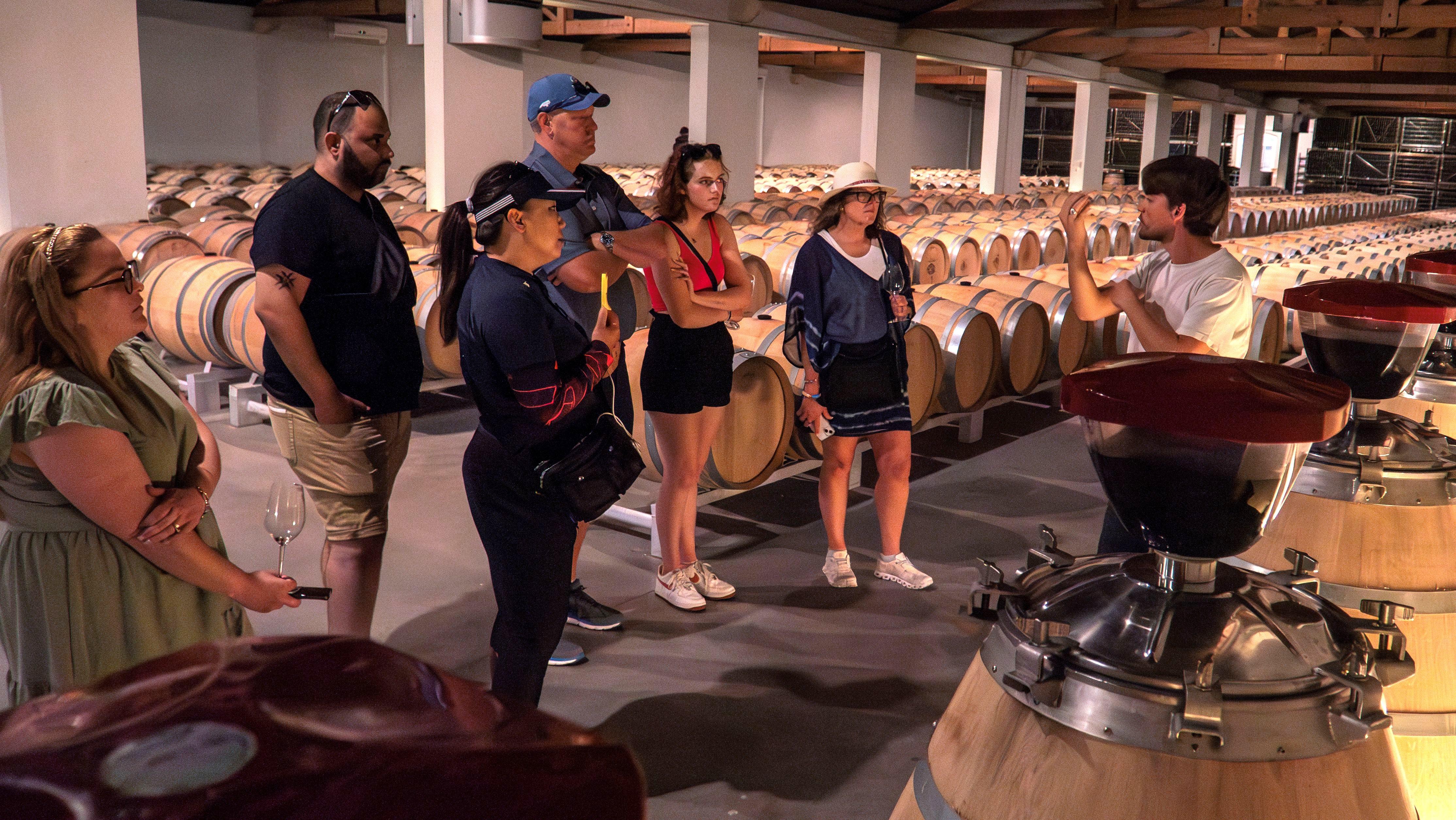
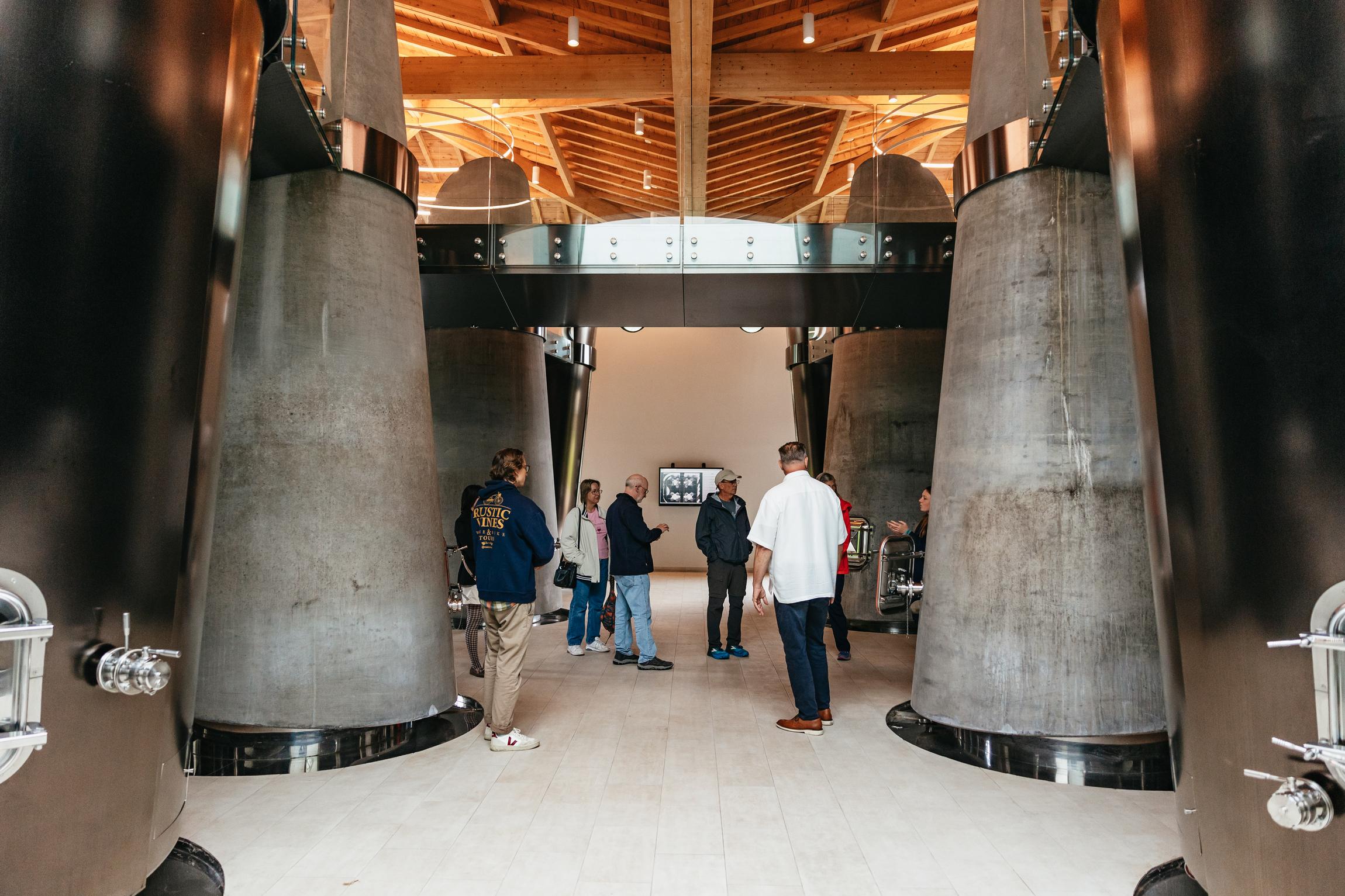
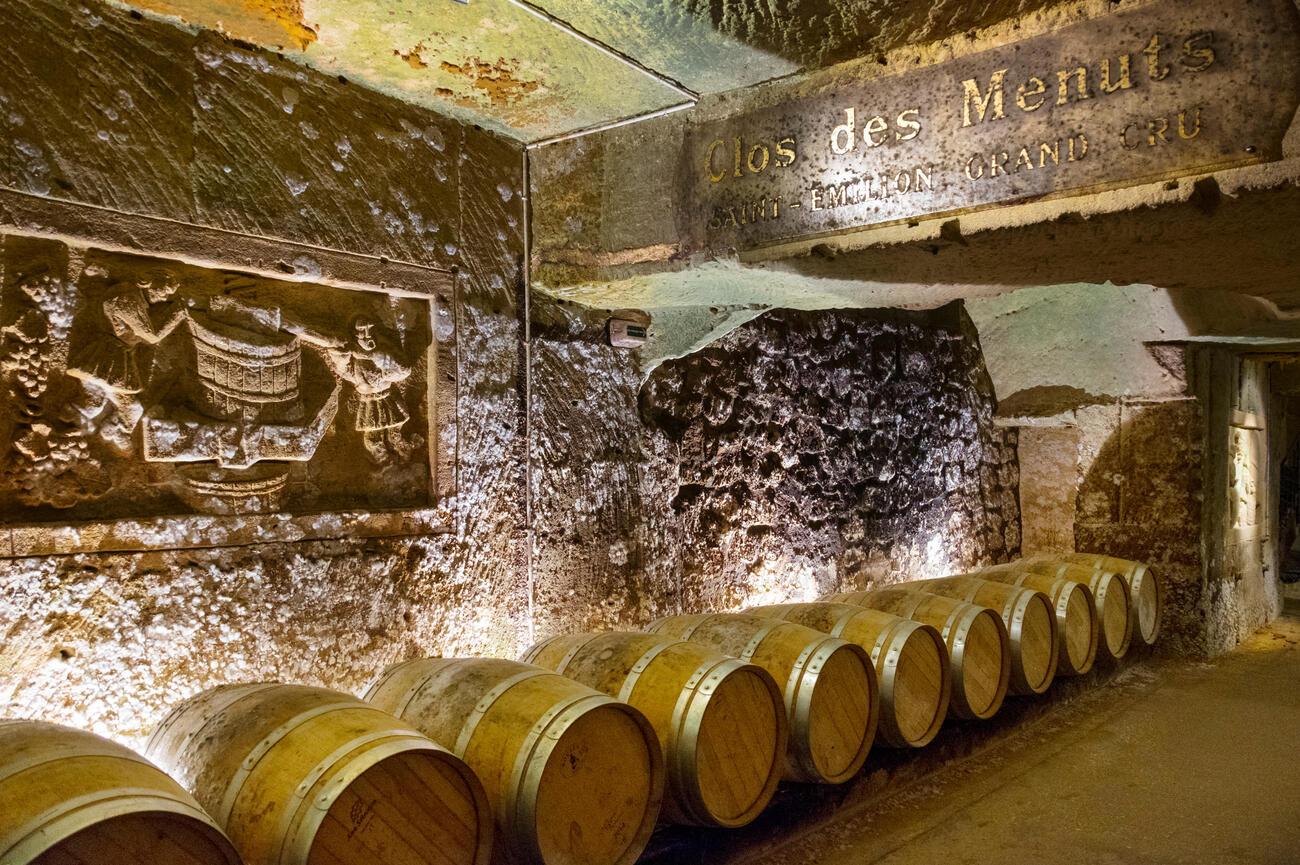
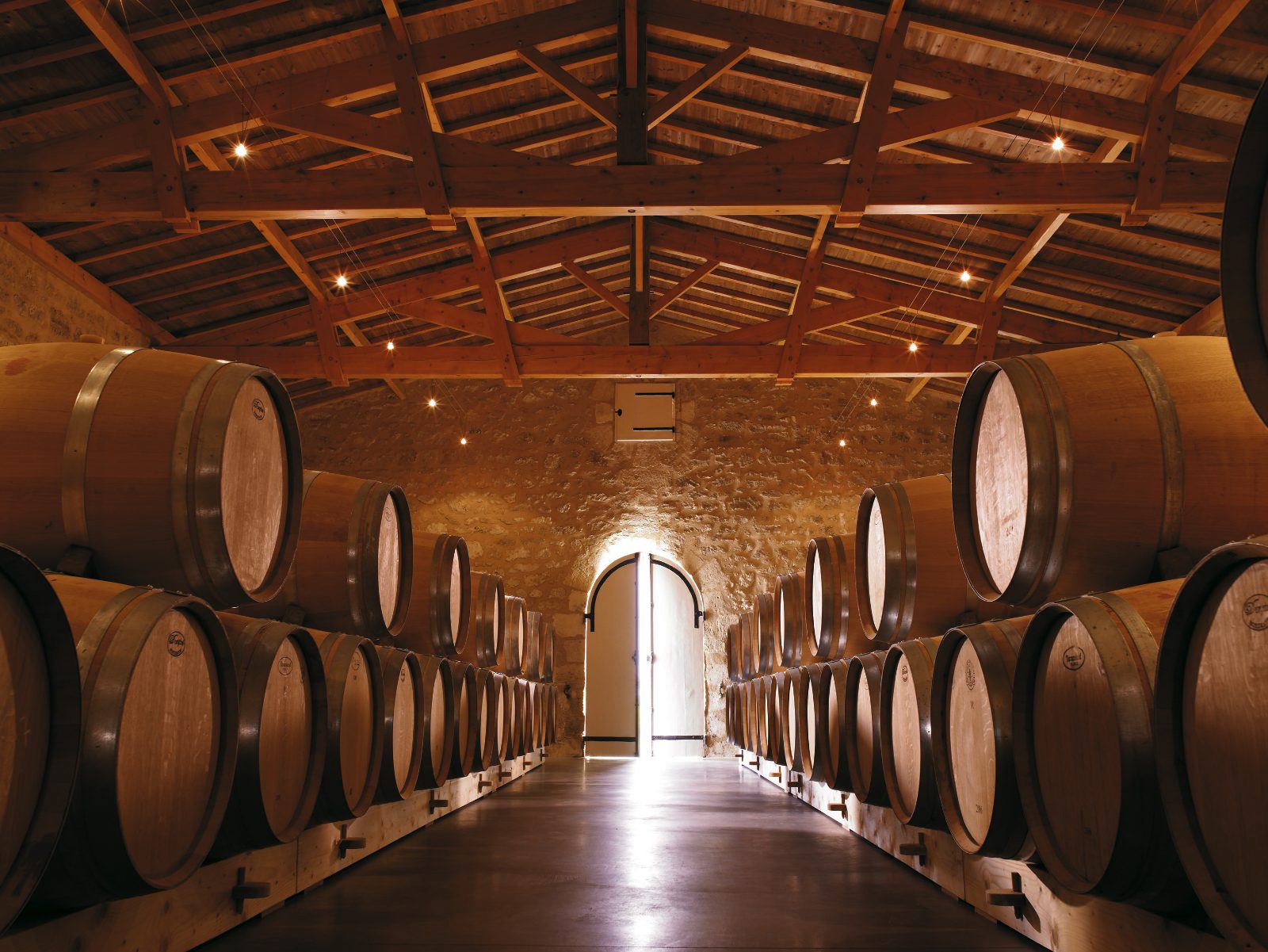
The initial château visit begins with a vineyard walk through head-pruned Merlot vines planted in 1998, their gnarled trunks barely knee-high against limestone outcrops that glow white in morning light. Your guide explains the hand-harvesting protocol required for Grand Cru Classé status as you descend stone steps into a barrel cellar where 400 French oak barriques rest in symmetrical rows, each stenciled with the vintage year and parcel designation.
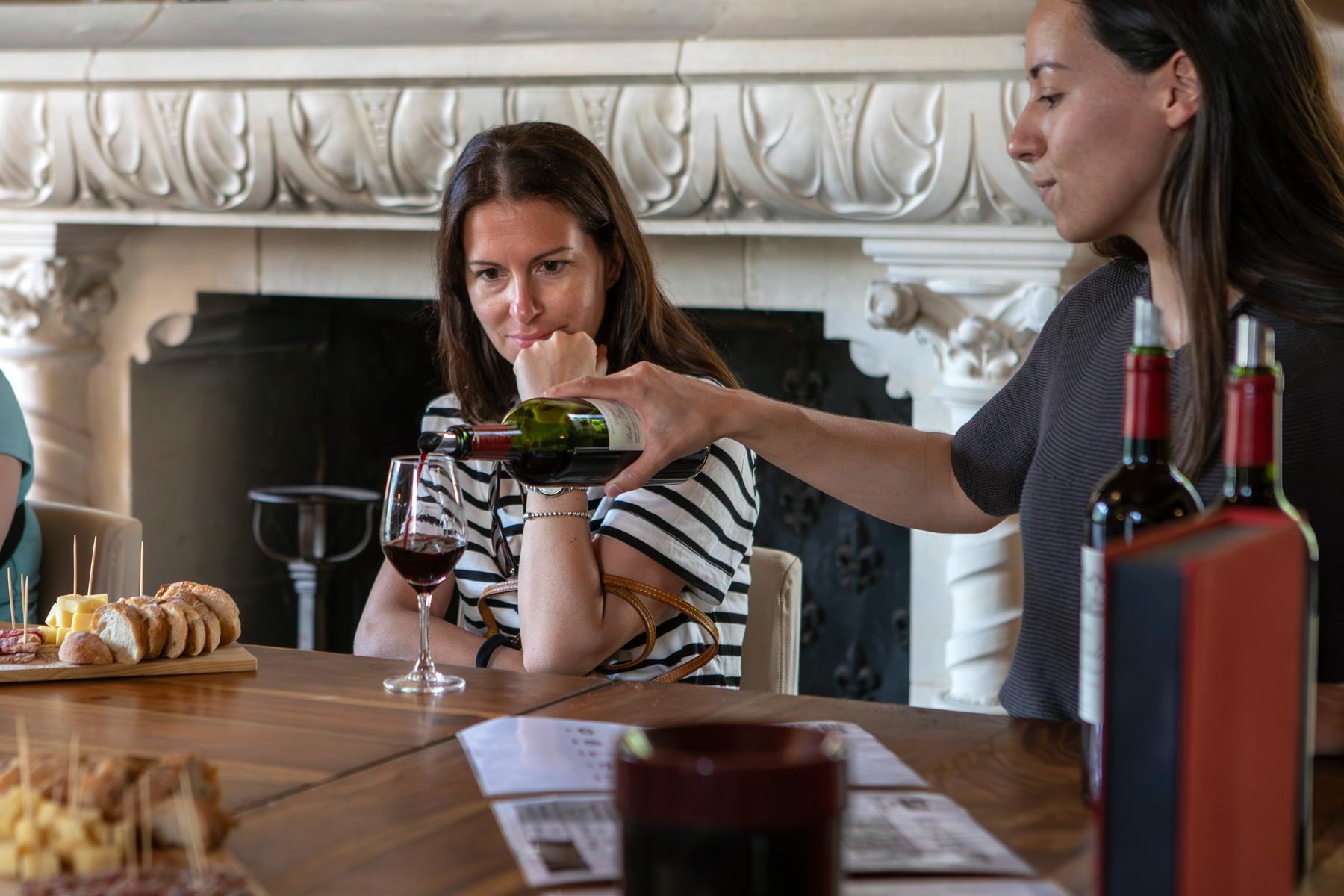
The first tasting pours a village-level Saint-Émilion alongside a Grand Cru from the same property, the differences in extract and tannin structure immediately apparent even to untrained palates. You swirl, inhale dark cherry and tobacco notes, and spit into granite spittoons positioned between tasting stations. By noon you've moved to a second estate where the maître de chai demonstrates pneumatic punch-down techniques used during fermentation, then leads you through a vertical tasting of three consecutive vintages that highlight how summer rainfall affects final alcohol levels.
You return to the village by 14:00, navigating cobbled Rue Guadet past wine shops offering shipping arrangements to 40 countries, and pause at a terrace overlooking terraced vineyards that cascade toward the Dordogne valley four kilometres south.
All the details about your upcoming adventure in one place
A saint emilion wine tour takes you through UNESCO-protected vineyards and limestone cellars where Merlot-dominant Grand Cru wines mature in French oak. Most saint emilion wine tour tickets include guided tastings at two châteaux, a walk through the medieval village's cobbled lanes, and an introduction to Right Bank terroir and winemaking tradition. Expert sommeliers explain appellations, blending techniques, and the distinction between Saint-Émilion Grand Cru Classé estates.
Saint-Émilion's 800 hectares of vine-covered slopes produce some of the world's most coveted Merlot-dominant blends, protected under UNESCO World Heritage designation since 1999 as a living cultural landscape.
The appellation's 250 châteaux range from family-run Premier Grand Cru Classé estates to cooperative cellars carved into Jurassic limestone, many offering cellar tours that descend 15 metres below the medieval village. The Saint Emilion wine tour from Bordeaux has become the primary gateway to the Right Bank, with half-day itineraries departing daily from Place des Quinconces and full-day circuits incorporating Pomerol and Fronsac appellations.
The region's viticultural identity took shape under Roman occupation, when limestone quarrying created natural aging cellars that maintain constant 12-degree temperatures year-round. By the 12th century, Benedictine monks had established the discipline of parcel selection that evolved into the modern classification system, revised most recently in 2022 to recognise eighteen Premier Grand Cru Classé châteaux. The monolithic church carved from bedrock between 1160 and 1180 anchors a village where nearly every cellar door opens onto centuries-old fermentation vats and oak barrel rows. Visitors arriving for a saint emilion wine tour tour find estates clustered within walking distance of the central tourist office at Place des Créneaux, though bicycle routes connect outlying properties along Route du Vin trails marked with blue-and-white signage.
Merlot comprises 60 to 70 percent of most Saint-Émilion blends, supported by Cabernet Franc and smaller proportions of Cabernet Sauvignon, a varietal mix dictated by clay-limestone soils that drain quickly after Atlantic storms. The appellation's 5,400 hectares extend across three distinct terroir zones: the limestone plateau surrounding the village, the ancient riverbed côtes with southern exposure, and the sandy-gravel plains near the Dordogne river. Harvest typically begins in late September, with hand-picking mandatory for Grand Cru Classé estates and mechanical harvesters permitted only on flatter parcels. Saint emilion vineyard tours scheduled during vendange season allow visitors to observe sorting tables and pneumatic presses in operation, though advance booking becomes essential as châteaux prioritise production over public visits between mid-September and mid-October.
The tourist office coordinates a network of English-speaking guides who lead small-group visits to properties not otherwise open to walk-in traffic, including several garages de châteaux where independent vignerons store barrels in shared facilities. Tastings usually include three to five wines spanning village-level Saint-Émilion AOC, Grand Cru, and Grand Cru Classé tiers, poured in ISO-standard glasses with minerality and tannin structure explained through terroir maps. Reddit forums discussing saint emilion wine tour reddit consistently recommend avoiding July and August crowds by scheduling visits in May or October, when cooler temperatures make the steep village streets more navigable and estates offer longer cellar access windows.
The appellation's 250 châteaux range from family-run Premier Grand Cru Classé estates to cooperative cellars carved into Jurassic limestone.
Casual and comfortable clothing is recommended for a saint emilion wine tour. Sturdy footwear is essential due to the medieval village's cobblestone paths and vineyard terrain.
Keep personal belongings secure while exploring the Saint-Émilion vineyards. Large luggage may not be permitted inside small historic cellars or winery production areas.
Photography is generally encouraged at most outdoor vineyard locations. Always ask for permission before taking photos inside private wine cellars or production facilities.
Family-friendly wine tours are available, but ensure activities are suitable for children. Always check if the specific estate welcomes minors before booking your saint emilion wine tour.
Many historic sites in Saint-Émilion involve uneven terrain and stairs. Visitors requiring mobility assistance should contact the tourist office for accessible route options.
Picnic areas are available at some participating châteaux. Consuming your own food and drink is restricted to designated picnic zones within the Saint-Émilion vineyards.
Opening Hours
10:00–18:00
Address
Place des Créneaux, 33330 Saint-Émilion, France
Accessibility
Inquire at Tourist Office for guided vineyard tour accessibility
Arrival
10:00–17:00 recommended to avoid peak crowds
Storage
Limited; check with your wine tour provider
Navigation
Pedestrian-friendly village with paved stone streets
Public transport · 30-40 minutes · 10–22 EUR
Regional trains from Bordeaux reach the station in 30–40 minutes.
Walk · 15 minutes · Free
A 15-minute uphill walk from the station leads to the historic center.
Individual vineyard tours and tastings require booking in advance. Please confirm the specific cancellation policy with your chosen vineyard operator at the time of reservation.
Recommended time
4-6 hours
Planning a saint emilion wine tour requires balancing time spent wandering the medieval streets with pre-booked vineyard visits. A half-day is sufficient for exploring the UNESCO heritage village, while a full day allows for deeper exploration of local estates and chateaux. Securing your saint emilion wine tour tickets in advance is essential to avoid disappointment, as group sizes at cellars are often limited. Arriving within the recommended window helps you manage crowds effectively while ensuring you reach your tasting appointments on time.
Crowd levels through the day
Weather · crowds · average price — dots go green to amber to red as each metric rises.
Mild temperatures perfect for walking through blooming vines and quiet village exploration.
Peak season with vibrant vineyard greenery and long daylight hours for outdoor visits.
Harvest season offers a unique glimpse into traditional winemaking activities.
Cooler weather ideal for enjoying underground cellar visits and warm local hospitality.
Reserve your saint emilion wine tour well in advance to secure spots at popular châteaux.
The medieval streets feature uneven cobblestones that require sturdy footwear.
Stop by Place des Créneaux first to grab maps and confirm your saint emilion wine tour itinerary.
Some estates require prior booking, so verify daily accessibility before arrival.
Using the regional train from Bordeaux is a convenient way to reach the village for your saint emilion wine tour.
Place des Créneaux, 33330 Saint-Émilion
Primary hub for all scheduled wine tours.
Get directionsThe vineyards around Saint-Émilion trace their origins to Roman soldiers who planted vines on limestone slopes in the 2nd century, recognizing the terrain's natural drainage and sun exposure. The medieval monk Émilion arrived in the 8th century, establishing a hermitage that became a pilgrimage site and gave the settlement its name. Benedictine monks expanded viticulture through the 12th century, carving cellars into the soft limestone and perfecting techniques that would define the region for centuries. The monolithic church they excavated between 1050 and the late 12th century still anchors the village, its underground passages connecting to aging caves that modern saint emilion wine tour visitors explore today. The 1199 charter granted by King John of England created the Jurade, a governing body of local notables tasked with regulating wine quality and protecting the appellation's reputation. This medieval guild issued strict harvest declarations and inspected barrels before export, establishing a quality framework centuries before formal classifications existed. English control of Aquitaine until 1453 gave Saint-Émilion wines privileged access to lucrative markets in London and Bristol. The river port at Libourne, constructed in the 13th century, became the primary export hub, with flat-bottomed boats carrying oak barrels down the Dordogne to Bordeaux and onward to northern Europe. Phylloxera devastated the region in the 1870s, destroying nearly 90 percent of vines within a decade. Growers replanted using American rootstock grafted with traditional Merlot and Cabernet Franc cuttings, a painstaking process that reshaped vineyard layouts and ownership patterns. The 1954 classification system divided estates into Premier Grand Cru Classé and Grand Cru Classé tiers, creating the quality hierarchy that shapes saint emilion wine tour itineraries and ticket pricing structures in 2026. UNESCO inscribed the jurisdiction as a World Heritage cultural landscape in 1999, recognizing the unbroken viticultural tradition spanning two millennia. The Jurade was revived in 1948 as a ceremonial body that still proclaims the harvest each September, wearing crimson robes during public ceremonies that blend medieval pageantry with contemporary wine tourism.
Roman soldiers plant the first vines on Saint-Émilion's limestone plateau, recognizing optimal drainage for viticulture.
The hermit monk Émilion establishes a religious community, giving the settlement its name and expanding monastic winemaking.
King John of England grants a charter creating the Jurade, a regulatory body to oversee wine quality and trade standards.
Phylloxera destroys 90 percent of the region's vines, forcing complete replanting with American rootstock grafts.
France establishes the Saint-Émilion classification system, dividing estates into Premier Grand Cru Classé and Grand Cru Classé ranks.
UNESCO inscribes Saint-Émilion jurisdiction as a World Heritage site, recognizing its continuous viticultural landscape since Roman times.
Exploring the Saint-Émilion vineyards with children is a rewarding experience when you plan around the region's hilly terrain and choose estates that offer interactive discovery for younger visitors. A well-organized saint emilion wine tour can bridge the gap between adult wine appreciation and family-friendly engagement.
The historic village features steep, cobbled streets that are challenging for strollers; a carrier is highly recommended for navigating the UNESCO heritage village landmarks effectively.
Look for specific family-oriented bookings that include treasure hunts, sensory trails, or organic grape juice tastings for kids to keep them engaged during your saint emilion wine tour tour.
Choose private sessions or estates advertising family-friendly programs to ensure a flexible pace; many properties offer outdoor spaces or gardens where children can move more freely than in formal tasting rooms.
Advance bookings are essential for all vineyard visits, as spontaneous drop-ins are rarely accommodated; confirm specific children's policies when securing your saint emilion wine tour tickets.
The village is compact and largely pedestrianized, making it a safe space to walk between sites, though families should be prepared for significant inclines and uneven ground throughout the historic center.
Visitors near a saint emilion wine tour can enjoy various local dining spots, ranging from cozy village bistros to refined vineyard establishments. Most guests find that planning their saint emilion wine tour tours around lunch allows for a relaxed pairing of regional gastronomy with local terroir.
Located in the heart of the village, this restaurant serves refined seasonal dishes ideal for those seeking a premium culinary experience after their saint emilion wine tour tour.
A favorite among wine enthusiasts, this spot offers a terrace with excellent views and a curated list of saint emilion wine tour tickets holders often enjoy.
This casual venue focuses on simple, high-quality ingredients and regional cheeses that complement the nearby limestone landscape and historic heritage.
Real experiences from real travelers
Our guide walked us through three Grand Cru estates and explained terroir differences between each appellation. The underground cellars carved from limestone were cool even in July heat. Tasting notes were detailed without being pretentious, and we left with two bottles of excellent Merlot.
Booked a saint emilion wine tour through a local operator and gained access to châteaux we'd never find alone. The guide knew winemakers personally and arranged a private barrel tasting. Village itself is compact enough to explore on foot after the vineyard visits.
Our sommelier guide had worked harvest seasons here and shared stories about each estate's methods. We tasted wines ranging from young vintages to a 2015 reserve. The limestone plateau views from Château Ausone were worth the climb alone.
The saint emilion wine tour covered four estates in five hours, which felt slightly rushed at the first stop. However, the guide's expertise made up for pacing issues. Underground Monolithic Church visit was an unexpected bonus. September would probably be less crowded than May.
We joined a half-day tour that included three tastings and a walk through the medieval village. Guide explained appellation rules clearly and helped us understand why Saint-Émilion wines taste distinct from Médoc. Purchased a case to ship home.
Saint-Émilion's Right Bank terroir produces softer, more approachable wines than I expected. Our guide arranged lunch at a family-run estate where we tried food pairings with each vintage. The village architecture alone justifies the trip.
Transportation from Bordeaux city was included, and our guide handled all reservations. We visited two Premiers Grands Crus Classés estates and one smaller organic producer. Learned more about Merlot and Cabernet Franc blending than I thought possible in one afternoon.
I've done wine tours in Napa and Barossa, but this felt more authentic. The guide focused on winemaking techniques rather than marketing. Underground cellars maintained natural humidity, and we tasted wines still aging in French oak. Village streets were quieter midweek.
Visiting during vendange meant we saw pickers working the slopes and tasted freshly pressed grape juice. Our saint emilion wine tour guide explained how each estate decides optimal harvest dates. The September light made vineyard photography spectacular.
Tour balanced technical information with leisurely tastings. Guide knew which estates welcomed questions and which preferred formal presentations. We finished with cheese pairings on a terrace overlooking the Dordogne valley. Would recommend booking morning slots to avoid afternoon heat.
Everything you need to know for your journey
The tourist office is open daily from 10:00 to 18:00.
Yes, booking in advance is highly recommended to ensure you can visit your preferred estates during your saint emilion wine tour.
Entry to the village is free; however, specific monument and vineyard visits require individual bookings.
Yes, many vineyards are within walking distance of the village, though some require a short drive.
Bring comfortable walking shoes, a camera, and your reservation confirmation for your saint emilion wine tour.
Policies vary by estate, so please confirm age requirements with your guide before booking your saint emilion wine tour.
You can take a direct train from Bordeaux, followed by a short walk or taxi into the village.
Photography is generally allowed at vineyards, but always ask before shooting inside production cellars during your saint emilion wine tour.
Limited luggage storage is available at the tourist office, but space is not guaranteed.
Largest underground religious structure in Europe carved into limestone.
Historical Romanesque keep offering panoramic views of the region.
Ancient cave site where the monk Emilion once resided.
Historic cloister featuring beautiful gardens and underground wine caves.
Elegant stay overlooking the historic vineyard landscape.
Charming central location perfect for exploring local wineries.
Traditional village stays near the main square.
Join thousands of happy travelers who have discovered this incredible experience
Book Your Experience Now