Quick answer
Saint Emilion wine tasting happens at individual châteaux by appointment or at walk-in tasting rooms in the village center, which is open daily from 10:00 to 18:00. Entry to Saint-Émilion itself is free; tasting fees vary by estate, typically ranging from complimentary for a basic flight to €30–€80 for classified-growth verticals or library releases. Most properties require 24 to 48 hours' notice for cellar visits, especially during harvest season.
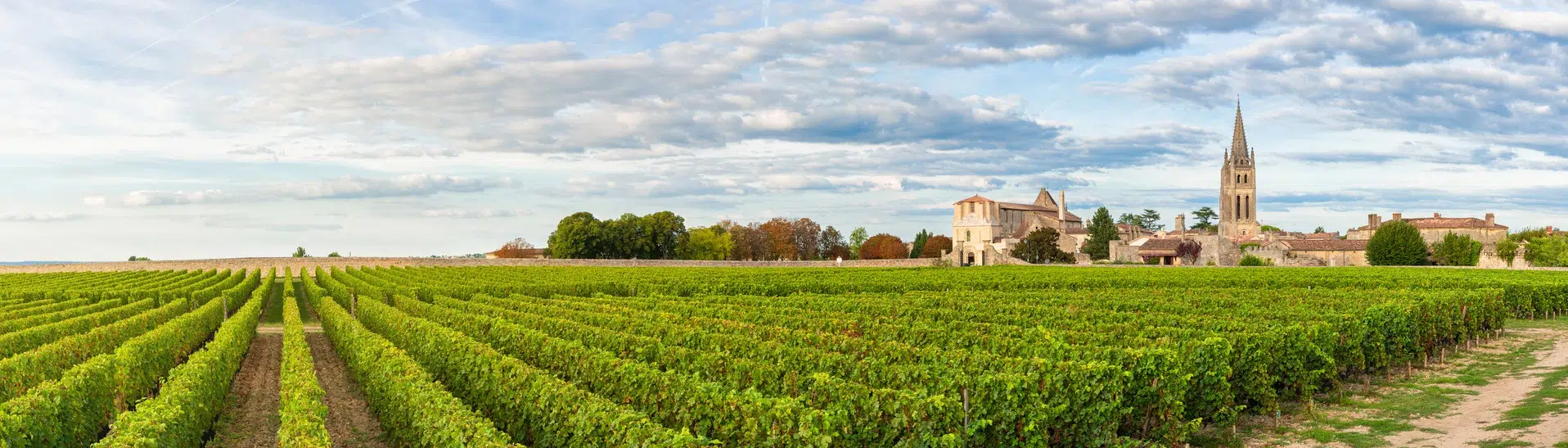
Saint-Émilion holds the distinction of being the only wine region whose entire jurisdiction—vineyards, cellars, and medieval village—carries UNESCO World Heritage status, granted in 1999 for two millennia of unbroken viticulture. The appellation's 5,400 hectares climb three distinct geological zones: the limestone plateau and côtes west of the village, the sandy-gravel plains toward Pomerol, and the foot-of-slope parcels where clay meets limestone. Each terrace produces a different expression of Merlot, the region's workhorse grape, blended with Cabernet Franc and smaller proportions of Cabernet Sauvignon. The classification system splits into Saint-Émilion Grand Cru, Saint-Émilion Grand Cru Classé, and the peak tier of Premier Grand Cru Classé, subdivided into A and B. Unlike Médoc's 1855 ranking, Saint-Émilion's list is revised every decade, most recently in 2022, making it a moving target that reflects current quality rather than historical reputation. Classified estates often require weeks of advance notice and charge structured tasting fees; village-level producers and cooperatives offer more spontaneous access. The Maison du Vin on Place des Créneaux operates as a centralized tasting counter where you can sample a cross-section of appellations without driving between properties. Saint emilion wine tasting follows a rhythm dictated by the agricultural calendar. Harvest typically runs from late September through October, when many châteaux close to visitors or limit tours to early mornings. Spring and early autumn bring mild weather and full cellar availability. Tasting appointments generally span 60 to 90 minutes and include a cellar walk, fermentation or barrel-aging explanation, and a seated flight of three to five vintages. Some properties offer vertical tastings of a single cuvée across multiple years; others present their portfolio horizontally, from entry-level to prestige bottlings. The village itself is compact enough to explore on foot between appointments, with cobbled lanes connecting tasting rooms, the monolithic church, and rampart viewpoints over the Dordogne valley. Booking directly through estate websites or via the tourism office ensures accurate availability and fee structures. Walk-in tasting rooms along Rue Guadet and Rue de la Cadène serve visitors who arrive without reservations, though selections skew toward cooperative wines and négociant blends rather than single-estate bottlings. Serious collectors and trade professionals often arrange private visits with winemakers, which require longer lead times and occasionally incur higher fees but grant access to library vintages and unreleased cuvées.
“Saint-Émilion holds the distinction of being the only wine region whose entire jurisdiction carries UNESCO World Heritage status for two millennia of unbroken viticulture.”
Optimal Timing for Your Saint Émilion Wine Tasting
To balance crowd avoidance with vineyard conditions, the recommended arrival window is 10:00–17:00. This period helps visitors bypass mid-day heat and peak afternoon congestion for a more refined experience.
April–May
ModerateMild, 12°C–20°C. Ideal for exploring vineyards before the summer peak.
June–August
HighWarm to hot, 18°C–28°C. Expect increased activity and busier tasting rooms during harvest preparation.
September–October
ModerateCool, 13°C–21°C. The harvest season offers active vineyard views and temperate conditions.
Weekday mornings
Low—
Arriving between 10:00 and 12:00 provides the quietest access to estates and village paths.
Verdict: For the most balanced experience, aim for Tuesday to Thursday visits during the months of April or October, arriving within the 10:00–17:00 window.
Saint Émilion Wine Tasting Costs and Entrance Fees
Access to the village of Saint-Émilion is free for all visitors. Costs for wine tasting activities are determined independently by each vineyard estate.
While the village entrance is free, visitors typically pay varying rates for wine tastings depending on the specific estate chosen.
Weekly Operating Hours for Saint Émilion Wine Tasting Logistics
The tourism facilities in Saint-Émilion operate daily to support visitors exploring the local vineyards. Planning your visit according to these standard weekly hours ensures access to essential information and services.
| Monday | 10:00–18:00 | |
|---|---|---|
| Tuesday | 10:00–18:00 | |
| Wednesday | 10:00–18:00 | |
| Thursday | 10:00–18:00 | |
| Friday | 10:00–18:00 | |
| Saturday | 10:00–18:00 | |
| Sunday | 10:00–18:00 |
Getting to Your Saint Émilion Wine Tasting Experience
Saint-Émilion is located in the Gironde department of southwestern France. The most direct approach for visitors is via the regional train network or by car from Bordeaux.
TER train from Bordeaux Saint-Jean to Saint-Émilion station
A89 motorway followed by the D243 to Saint-Émilion
Direct transfer from Bordeaux city center to Place des Créneaux
How to Prepare for a Saint Émilion Wine Tasting Visit
Planning a wine tasting in Saint-Émilion requires advance research and estate coordination. The process takes one to two weeks before your visit, with tastings themselves lasting one to three hours depending on the château.
Research estates and tasting formats
Visit the official Saint-Émilion tourism website or individual château sites to compare tasting options. Many visitors book the wrong estate style—Grand Cru Classé properties require advance reservations while smaller family vineyards often accept walk-ins.
Contact châteaux directly for availability
Email or call estates at least one week ahead, especially during harvest season (September-October). Phone inquiries often reveal same-day openings that online calendars show as full.
Confirm your reservation details
Request written confirmation with the date, time, tasting format, and any dietary restrictions for food pairings. Estates sometimes double-book without a paper trail.
Plan your estate route
Group châteaux by proximity—the appellation spans multiple hills and valleys. First-time visitors underestimate travel time between properties; allow 15-20 minutes between estates.
Arrive at the designated meeting point
Most tastings begin at the estate's main cellar or boutique, not the vineyard entrance. Look for signage directing visitors to the tasting room, typically near parking areas.
Pre-Visit Checklist for Saint Émilion Wine Tasting
Prepare these essentials to make the most of your vineyard visits and tastings.
-
Book estate visits in advance — Most châteaux require reservations and fill quickly during harvest season.
-
Wear comfortable, closed-toe shoes — Vineyard paths and cellar floors can be uneven and damp.
-
Bring a light jacket — Cellars maintain cool temperatures year-round, even in summer.
-
Designate a driver or arrange transport — Tasting multiple wines makes driving unsafe and illegal.
-
Pack a notebook or tasting app — Recording tasting notes helps you remember favorites for later purchase.
-
Confirm your reservation 24 hours prior — Estate schedules can shift during harvest or due to private events.
Check availability
Common questions about saint emilion wine tasting
Everything you need to know about saint emilion wine tasting